By continuing, you agree to LoansJagat's Credit Report Terms of Use, Terms and Conditions, Privacy Policy, and authorize contact via Call, SMS, Email, or WhatsApp
Disclaimer: The information published on LoansJagat is intended for general informational and educational purposes only and should not be considered financial, legal, or investment advice. Interest rates, loan terms, statistics, and other data may change over time and may vary by lender or source. Please verify the latest information and consult a qualified financial advisor or the respective Bank/NBFC before making any financial decisions.
Subscribe Now
About the author

Vidhi Chauhan is a copywriter and content writer with extensive experience creating high-quality, SEO-driven content across multiple industries, with a strong focus on fintech. She has written extensively on GST, banking, personal loans, business loans, credit cards, income tax, insurance, and other financial topics, helping Indian readers understand complex concepts through clear, accurate, and engaging content.
Related Blog Post
Simplify All Your Loans Into One Affordable EMI

Customers Served

Debt Consolidated

1200+ Reviews

Locations in India
Club all Loans & Credit Card Bills into Single EMI

Quick Apply Loan
Consolidate your debts into one easy EMI.

Takes less than 2 minutes. No paperwork.

10 Lakhs+
Trusted Customers

2000 Cr+
Loans Disbursed

4.7/5
Google Reviews

50+
Banks & NBFCs Offers
It should be understood that getting a personal loan is not as simple as just making the application and waiting for approval. When a bank approves a loan to you, it analyses your financial standing to see if you will be able to repay the borrowed amount easily. This is because a personal loan is usually unsecured, and there are various things that banks take into account while assessing the risk level of such a loan.
These include your credit rating, earnings, employment status, existing debts, age, and even your relationship with the bank. Your loan requirements, like the amount of money and loan period, and even documentation, might also be considered by the bank in some cases.
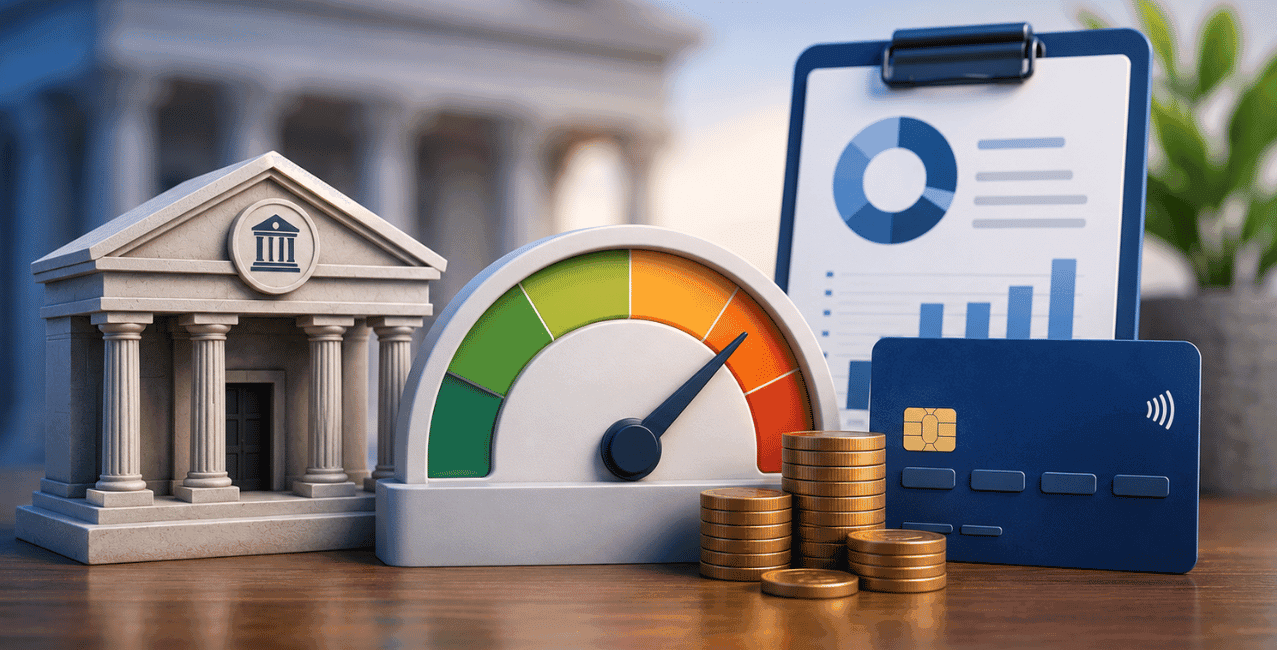
One of the most crucial aspects that indicates your credit profile is your credit score. Your credit score allows the bank to understand how responsibly you have used credit.
The higher your credit score, the better your chances of getting your loan approved, as it shows a good repayment history. As per IndusInd Bank, a credit score above 750 is considered a good credit profile; however, the requirement may differ from one lender to another.
Before applying for a loan, make sure that your credit score is up to date and check for any mistakes or pending payments. Timely repayment of EMI and credit card bills is essential for a healthy credit profile.
Your income level assists the bank to determine if you can pay back the amount borrowed from them. If your income is good enough and stable, you may be able to borrow more money provided you can maintain your financial liabilities.
Your salary, your income from business, or any other source of income may be considered by the banks when assessing your application. The employer and type of employment for those applying for the loans while employed may matter too.
For instance, two people with the same credit score may be entitled to borrow different amounts depending on their incomes and financial liabilities.
Banks would like to determine whether your earnings will continue to be stable during the period of the loan. Thus, your current employment situation, the duration of your employment, and your job profile can be taken into consideration when determining eligibility.
If you have been employed in the same organization for a long period of time, it can mean that you have a stable source of income. If you change your jobs frequently, it can raise questions. However, the profile of the company for which you are working for can also be taken into consideration.
But working for a startup company does not necessarily disqualify you from eligibility.
The banks are not only concerned with the loan that you are planning to apply for; they will also take into consideration the debts and financial responsibilities that you already owe.
Your existing personal loans, housing loans, car loans, credit card payments, and other liabilities can affect your ability to borrow more money because if you owe a lot of money already, you are left with less money to repay any additional loans.
FOIR stands for Fixed Obligations to Income Ratio, and this ratio allows the bank to determine what percentage of the individual’s income goes towards fixed financial obligations.
The formula is as follows:
FOIR = Total Fixed Monthly Obligations ÷ Gross Monthly Income × 100
Suppose that one’s fixed monthly obligations are equal to ₹20,000, while his/her gross monthly income amounts to ₹40,000. Then,
FOIR = ₹20,000 ÷ ₹40,000 × 100 = 50%
Low FOIR usually implies that one has more disposable income for a new EMI. As per the statement made by IndusInd Bank, banks may be careful about applicants who have high FOIR (50% is mentioned here as an example).
Your age may influence both your eligibility and repayment tenure. Generally, banks like to see applicants whose earning life is still left.
Applicants who are relatively younger might not have much experience in credit, and older applicants near retirement age may have a more rigorous evaluation process due to the possibility of any change in their income stream during the loan period.
Different lenders have different age requirements. For instance, according to IndusInd Bank, the minimum age for salaried applicants should be 21 years, while the maximum age at loan maturity should be 60 years or the retirement age, whichever comes earlier.
Yes. Both the amount and the tenure will affect your eligibility.
The higher the amount, the higher your repayment obligation becomes. Thus, the bank may impose tougher criteria for assessing your eligibility. At the same time, a higher tenure will help in lowering the EMI amount but will increase the total interest outgo.
The bank may determine your eligibility through various methods, such as the multiplier method and the FOIR method. As per the multiplier method, the loan eligibility will be based on your monthly income. In the case of the FOIR method, the lender will take into consideration the part of the income that may be used for the loan repayment.
Having an existing relationship with the bank may sometimes help you out. For instance, an existing customer is likely to have some sort of history with the lending institution, which can help with verification of some things.
Also, banks may offer certain benefits to eligible existing customers. Nevertheless, having an existing account will not necessarily secure your loan application since other factors such as your income, credit history, repayment ability, and others will be considered.
*T&C Apply
Even if you have an acceptable financial profile, insufficient or incorrect details may hamper the process and decision making.
The documents vary from lender to lender and according to the applicant’s profile and may include identity proof and address proof, salary documents, salary slip, bank statements, etc. The bank may verify the information mentioned in your application through these documents.
Thus, always make sure that you submit the correct application.
There is no standardized formula for determining loan eligibility at all banks. Every lender is free to formulate their own criteria for eligibility, ways of assessing risk, income level required, and lending policies.
It thus implies that the person whose application was refused by one particular lender may very well be eligible to borrow from another lender based on their set policies.
Read Also : How Do Banks Decide Your Loan Eligibility
The banks judge your eligibility for the loan based on your entire financial status instead of depending on one single factor. Credit score, income, job stability, current debt, FOIR, age, loan amount, loan period, documentation and the relationship between you and the bank are some of the factors that will affect your decision.
Before taking a loan, be aware of how the above-mentioned factors affect your financial status. A sensible loan amount and a good credit score will improve the likelihood of approval.
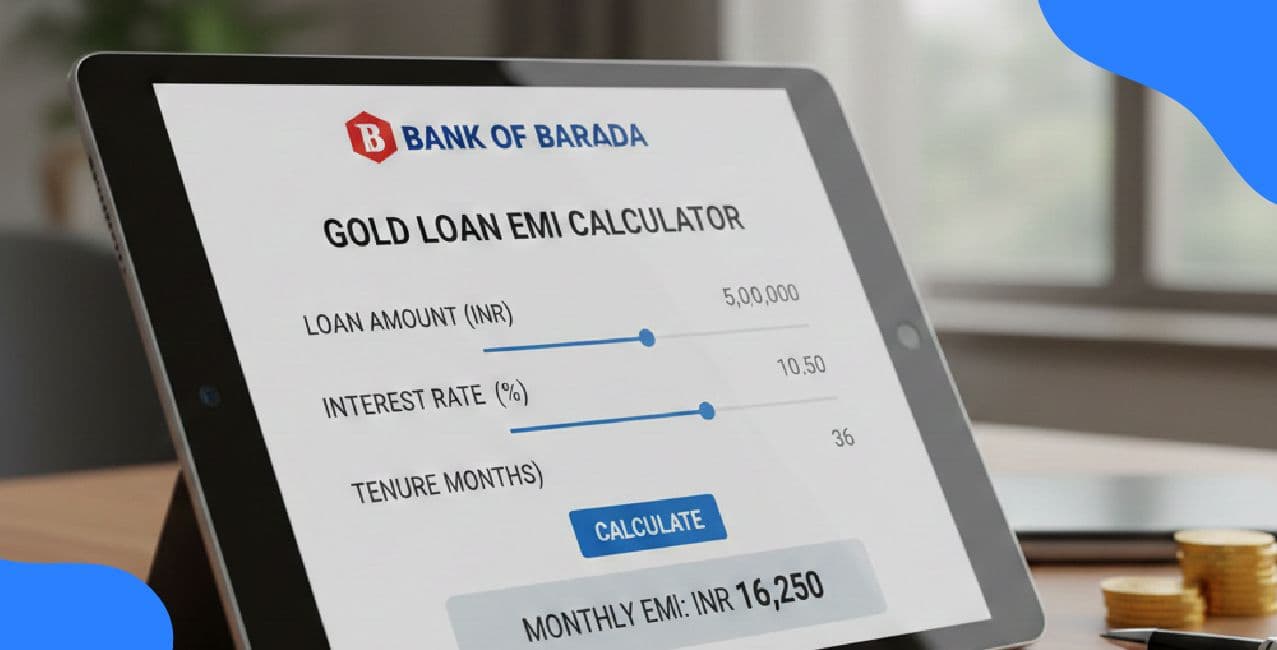
Yes, the majority of banks and financial institutions have online loan eligibility calculators that give an approximate estimate based on information like monthly salary, total expenditure, and required loan amount. Using the calculator allows you to get an idea of your borrowing ability prior to submitting the formal application.
Applying for various loans within a short span of time might lead to several hard inquiries on your credit score. Too many inquiries might imply higher reliance on credit and negatively affect the decision-making of the lender.
Including a co-applicant who meets all criteria and earns a steady salary could possibly increase the joint repayability estimated by the lender. It is also necessary to note that the co-applicant becomes a co-borrower who will be obligated to repay the loan.
Good bank balances and good cash flow would be helpful to show good financial management, especially if the lender is assessing through your bank statements. Being involved in frequent overdrafts and having irregular cash flows would raise some issues while assessing financially.
If you have a limited credit history, there is no problem because the lender will have less data about your repayment behaviour in the past. The lender will assess your income, employment, bank activity, and other financial data.
Credit utilisation is the amount of credit that you use compared to your total credit limit available, mostly from credit cards.
Not always, as a pre-approval or pre-qualification usually means that you are eligible for certain basic requirements rather than being approved. Further investigation will still be done by the bank prior to granting you the loan.
Decline doesn’t mean that you won’t get approved for any credit in the future; however, it is good to know the reasons for your decline to make your next application more successful.
This depends on the lender, the type of loan applied for, the applicant profile, and how quickly the required information can be verified. An online application with complete information can be processed more quickly than one that requires further verification.
Yes, since lenders tend to verify information before disbursing money, any changes in your financial position will impact the application process. This may especially happen if you have taken out new loans or are failing to repay old debts.