By continuing, you agree to LoansJagat's Credit Report Terms of Use, Terms and Conditions, Privacy Policy, and authorize contact via Call, SMS, Email, or WhatsApp
The information published on LoansJagat is intended for general informational and educational purposes only and should not be considered financial, legal, or investment advice. Interest rates, loan terms, statistics, and other data may change over time and may vary by lender or source. Please verify the latest information and consult a qualified financial advisor or the respective Bank/NBFC before making any financial decisions.
Subscribe Now
About the author

Ananya Shrivastava is a Content Writer specialising in finance-focused news, blogs, and long-form articles on Indian markets, RBI policy, personal finance, and lending. She has authored over 450 blogs and 250 news pieces, combining technical knowledge with rigorous research to simplify complex financial concepts into clear, engaging content. With a marketing-driven lens and sharp editorial judgment, she consistently achieves top Google rankings while ensuring every claim is backed by verified data.
Related Blog Post
Simplify All Your Loans Into One Affordable EMI

Customers Served

Debt Consolidated

1200+ Reviews

Locations in India
Club all Loans & Credit Card Bills into Single EMI

Quick Apply Loan
Consolidate your debts into one easy EMI.

Takes less than 2 minutes. No paperwork.

10 Lakhs+
Trusted Customers

2000 Cr+
Loans Disbursed

4.7/5
Google Reviews

50+
Banks & NBFCs Offers
Taking another personal loan may seem like a simple way to meet an immediate financial need. However, if you already have outstanding loans, a new EMI could put additional pressure on your monthly budget. Before applying, take a closer look at your existing financial commitments. Five numbers can help you understand whether another loan fits your repayment capacity: monthly income, total existing EMIs, EMI-to-income ratio, outstanding loan balance and available savings. Reviewing these figures can help you make a more informed borrowing decision.
Key Takeaways
Your monthly income is the starting point for assessing whether you can manage another EMI. Consider your regular take-home salary rather than relying only on your annual package or gross income. Your take-home amount is what you actually receive after applicable deductions.
For example, if your monthly take-home salary is ₹80,000, this is the amount you should use when reviewing your monthly budget.
Also consider whether your income is stable. If you earn through commissions, incentives or freelance assignments, your monthly earnings may fluctuate. In that case, avoid basing a new loan decision on your highest-earning month.
What to check: Your regular monthly take-home income and how consistently you receive it.
Before taking another personal loan, calculate the combined amount of all your current monthly repayments.
Include EMIs from:
Also account for credit card dues and other fixed repayment commitments when reviewing your budget.
For example, suppose your monthly repayments are:
You are already paying ₹30,000 every month towards loan EMIs. A new personal loan will add another repayment to this amount.
What to check: The combined monthly amount you pay towards all existing loans.
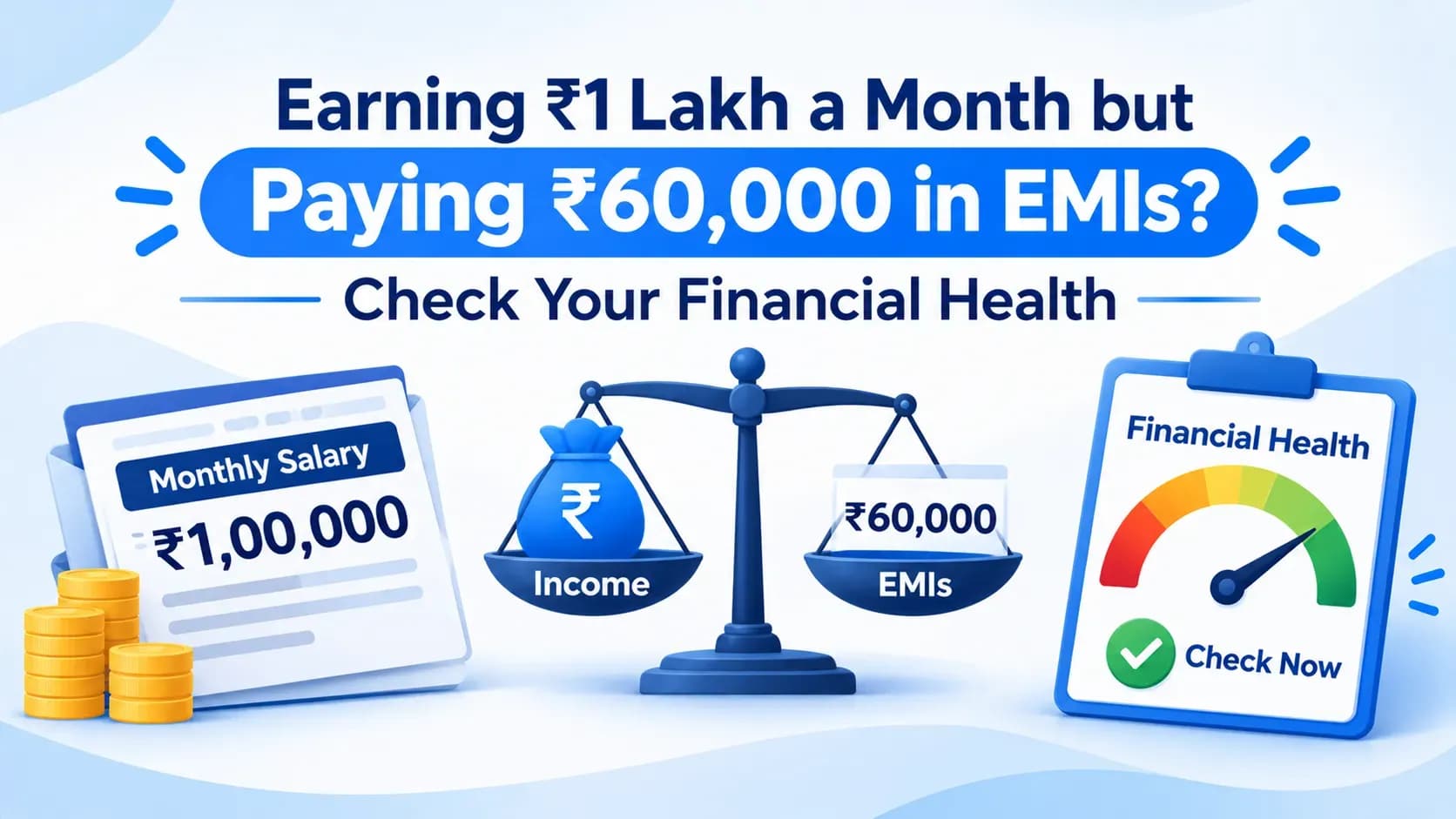
Your EMI-to-income ratio shows the percentage of your monthly income committed to loan repayments. You can calculate it using this formula:
EMI-to-income ratio = (Total monthly EMIs ÷ Monthly take-home income) × 100
For example:
This means 37.5% of your monthly income goes towards existing loan repayments.
A higher ratio leaves less money for household expenses, savings and unexpected costs. Lenders may also consider existing financial obligations when assessing a new loan application. Their eligibility criteria can differ based on the loan type and borrower profile.
There is no single ratio that guarantees approval or determines financial comfort for every borrower. Your essential expenses, savings and other responsibilities matter too.
What to check: How much of your monthly income is already committed to repayments and whether you can comfortably accommodate another EMI.
Your monthly EMI tells you what you pay, but your outstanding balance shows how much you still need to repay.
Before applying for another loan, review the outstanding principal on each existing loan. Also check the remaining tenure, interest rate and any charges applicable if you decide to close a loan early.
 Apply Now
*T&C Apply
These details matter because you may have options other than taking additional credit.
For example, if you have two personal loans with different interest rates, you could explore whether refinancing or consolidation is suitable. However, compare the total repayment cost, processing fees and foreclosure charges before making a decision.
A new loan with a lower EMI may still cost more if the repayment tenure is extended significantly.
What to check: Outstanding principal, remaining tenure, interest rate and applicable closure charges for each loan.
Your savings are an important part of your borrowing decision. Even if your income appears sufficient to manage another EMI, limited savings can leave you financially exposed when unexpected expenses arise. Consider the amount you have available after accounting for essential expenses and existing repayments.
For example, if you earn ₹80,000 and pay ₹30,000 in EMIs, the remaining ₹50,000 must cover rent, groceries, utilities, insurance, transport and savings.
If most of this amount is already spent, adding another EMI may leave little room for emergencies.
What to check: Your available savings, emergency funds and the amount you can set aside after meeting regular expenses.
If a large part of your income goes towards existing EMIs, taking another personal loan may not address the underlying issue. Before adding another repayment, review whether your current loan arrangements can be managed differently.
Depending on your financial profile and lender eligibility, you may explore:
Each option has different costs and conditions. Compare interest rates, processing fees, foreclosure charges and total repayment amounts before proceeding.
The five numbers above provide a useful starting point, but they do not capture every aspect of your financial wellness. Your CIBIL score, for instance, reflects your credit history and repayment behaviour. It does not fully show how comfortably you manage EMIs alongside household expenses, savings and other financial priorities.
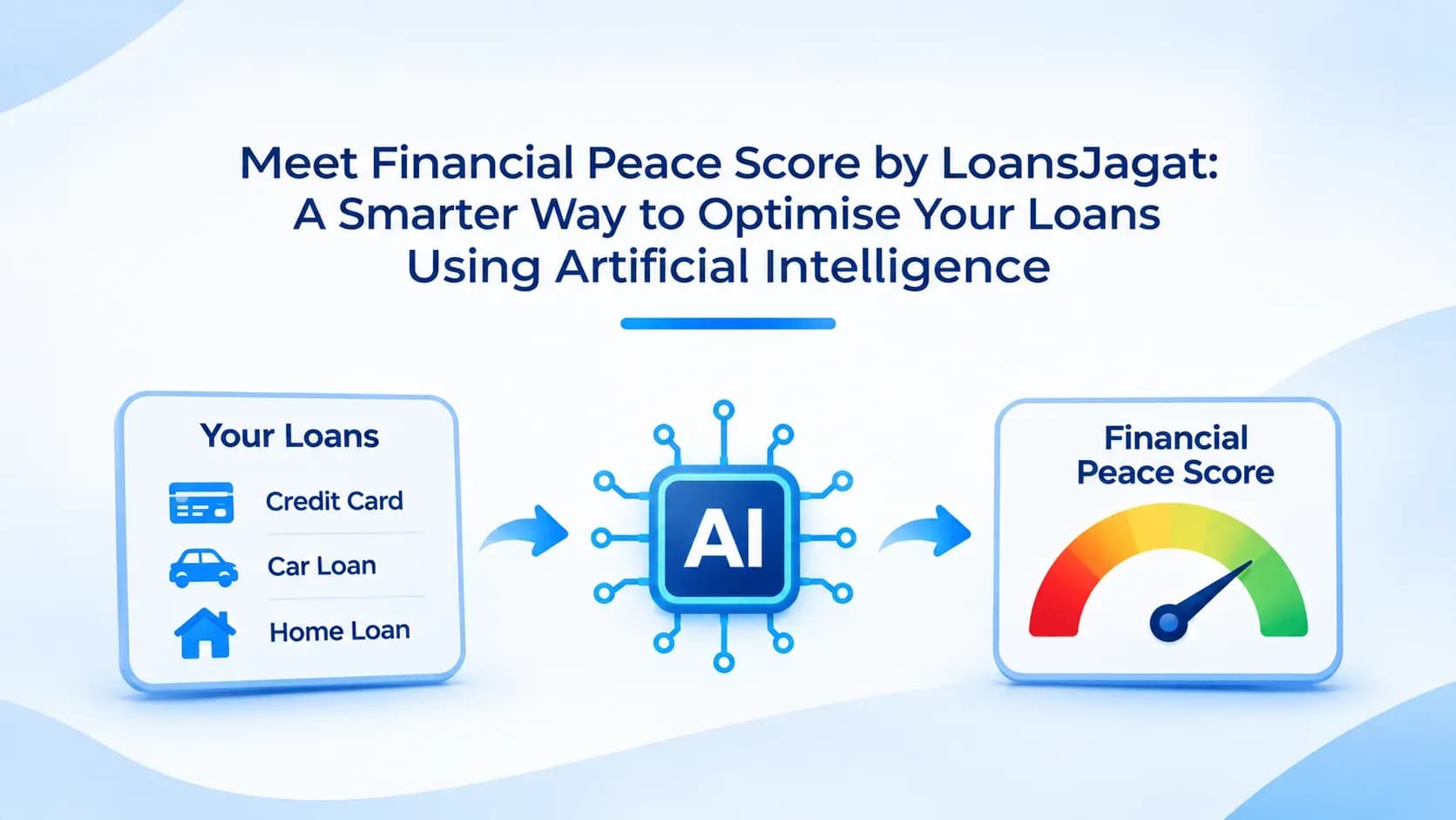
LoansJagat's Financial Peace Score offers a broader view of your financial position. After checking your score, you can immediately view personalised loan optimisation plans based on your financial profile.
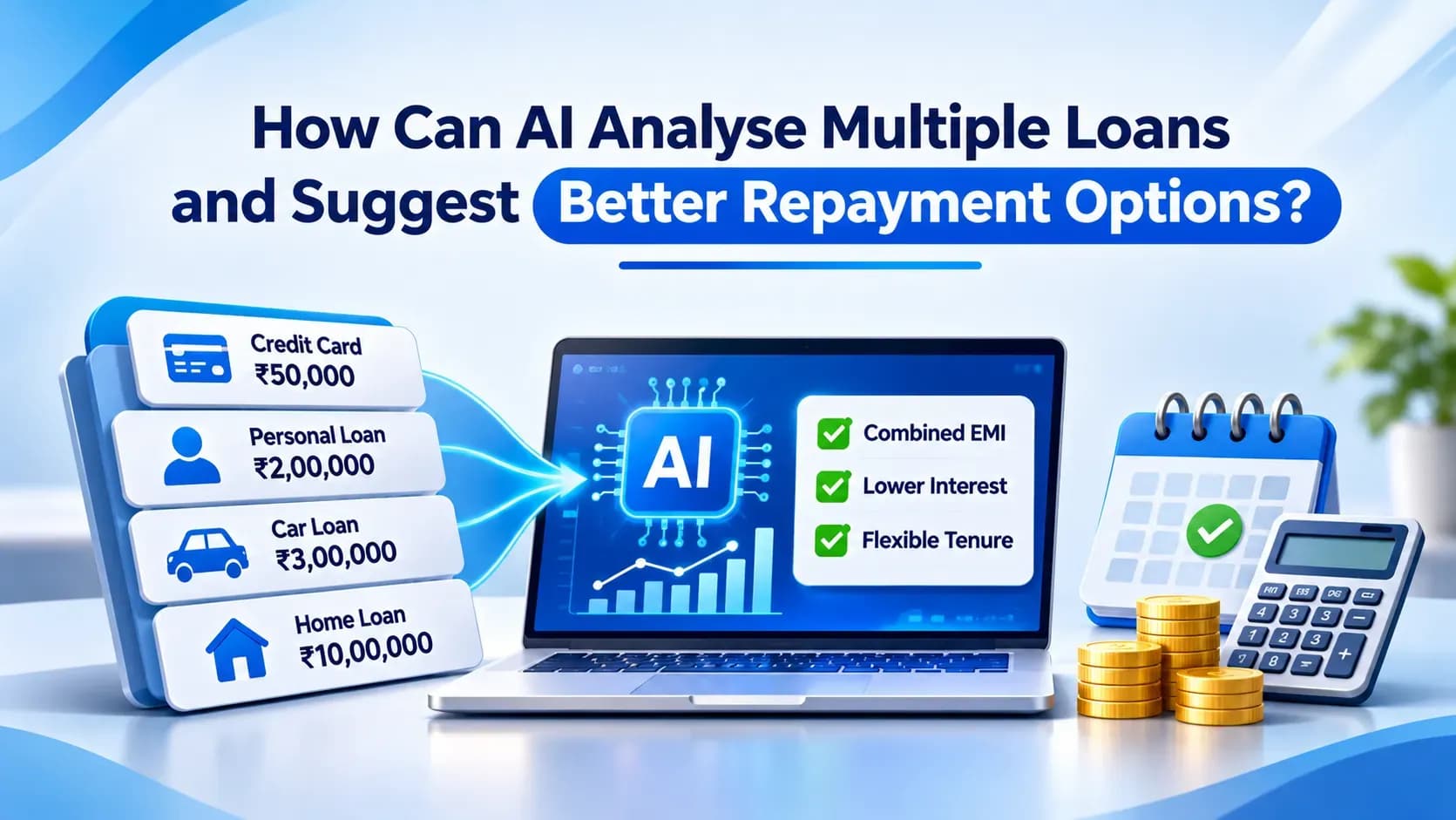
Its AI-powered platform helps identify potential opportunities such as consolidation, refinancing, restructuring and more. You can also compare available offers from 50+ banks and NBFCs to explore financing options that may suit your requirements. The final terms and availability depend on lender policies and your eligibility.
Before taking another personal loan, review your income, existing EMIs, EMI-to-income ratio, outstanding balances and available savings. These five numbers can help you understand how much repayment capacity you have and whether additional borrowing fits your financial priorities.
If your current EMIs already take up a significant part of your income, consider reviewing your existing loans before applying for another one. Financial Peace Score by LoansJagat can help you understand your broader financial wellness and explore personalised loan optimisation opportunities.
Review your monthly take-home income, total existing EMIs, EMI-to-income ratio, outstanding loan balances and available savings. These figures help you assess whether another repayment fits your budget.
There is no universal percentage that works for every borrower. Your repayment capacity depends on your income, essential expenses, savings and existing financial obligations. Lenders also apply their own eligibility criteria.
Yes. Lenders consider your existing repayment commitments when assessing your eligibility. Your income, credit history, outstanding loans and lender-specific criteria may influence the decision.
Not without reviewing the overall cost and repayment implications. Depending on your eligibility, consolidation or refinancing may be worth exploring, but compare the total repayment amount and aapplicable charges first.
Financial Peace Score by LoansJagat provides a broader view of your financial wellness and displays personalised AI-powered loan optimisation plans. These can help you explore ways to manage existing loan commitments before taking on additional credit.