By continuing, you agree to LoansJagat's Credit Report Terms of Use, Terms and Conditions, Privacy Policy, and authorize contact via Call, SMS, Email, or WhatsApp
Disclaimer: The information published on LoansJagat is intended for general informational and educational purposes only and should not be considered financial, legal, or investment advice. Interest rates, loan terms, statistics, and other data may change over time and may vary by lender or source. Please verify the latest information and consult a qualified financial advisor or the respective Bank/NBFC before making any financial decisions.
Subscribe Now
About the author

LoansJagat Team
‘Simplify Finance for Everyone.’ This is the common goal of our team, as we try to explain any topic with relatable examples. From personal to business finance, managing EMIs to becoming debt-free, we do extensive research on each and every parameter, so you don’t have to. Scroll up and have a look at what 15+ years of experience in the BFSI sector looks like.
Related Blog Post
Simplify All Your Loans Into One Affordable EMI

Customers Served

Debt Consolidated

1200+ Reviews

Locations in India
Club all Loans & Credit Card Bills into Single EMI

Quick Apply Loan
Consolidate your debts into one easy EMI.

Takes less than 2 minutes. No paperwork.

10 Lakhs+
Trusted Customers

2000 Cr+
Loans Disbursed

4.7/5
Google Reviews

50+
Banks & NBFCs Offers
Other services mentioned in this article
Punjab has paused a major crop loan increase after cooperative banks warned that higher lending without cheaper funds could deepen financial stress.
Key Takeaways
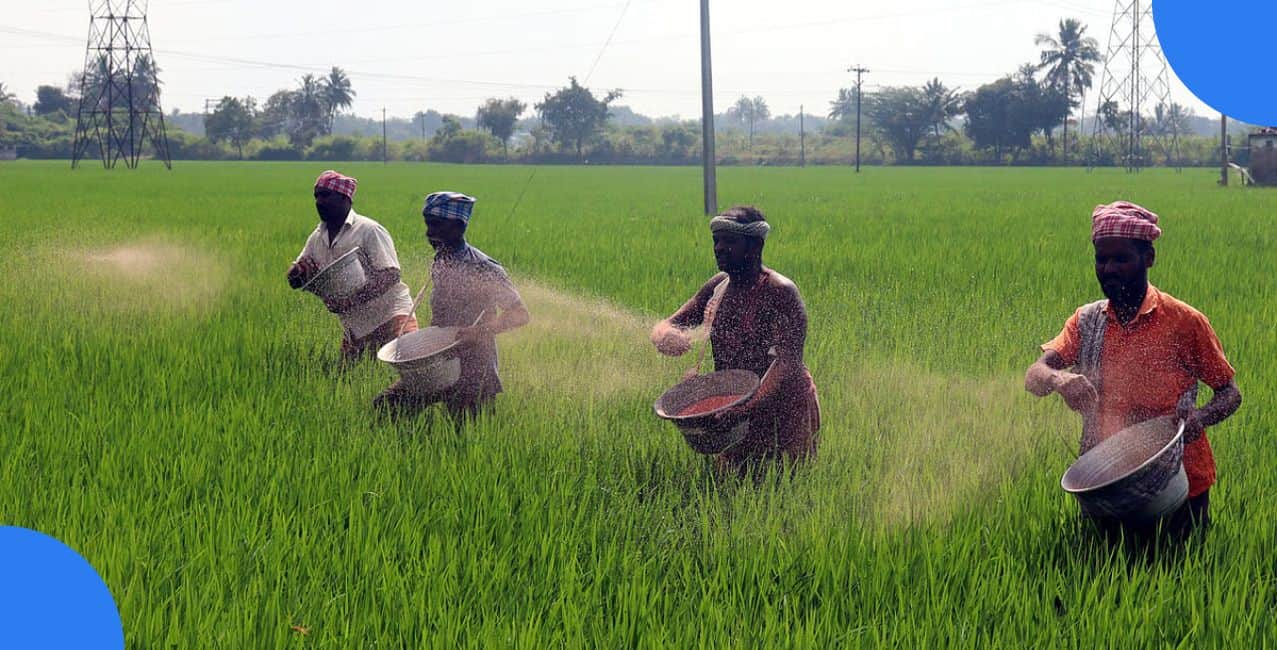
Punjab farmers were expecting higher short-term crop credit before the paddy season, but the state government has now paused its earlier decision. The increase was linked to the Scale of Finance, which decides how much a farmer can borrow per acre under KCC.
In the short term, this can put pressure on farmers who need cash for seeds, fertilisers, diesel, labour and irrigation. In the long term, delay in revising loan limits may push smaller farmers towards informal borrowing, especially when farm input costs continue to rise.
The biggest impact will be on farmers who depend on cooperative banks and PACS for seasonal credit. A higher KCC limit would have allowed them to cover more cultivation expenses through formal banking channels instead of private lenders.
However, the pause also gives temporary relief to cooperative banks. These banks said they cannot expand lending when low-cost refinance support has fallen and many district cooperative banks are already struggling with weak recovery.
Punjab has 20 district cooperative banks, and banks in Bathinda, Mansa, Ferozepur, Fazilka, Amritsar and Tarn Taran were reported to be under pressure due to poor loan recovery. This makes the crop loan decision more than just a farmer issue.
Cooperative Bank Employees Federation State of Punjab president Nitin Kakar opposed the hike. He said NABARD refinance support dropped from about ₹3,500 crore in 2021-22 to ₹1,110 crore in 2025-26, reducing the funds available for lending.
He also said NABARD lends to state cooperative banks at 4.5%, which moves to district banks at 4.75% and PACS at 5%. But if banks borrow from the market at around 7.1% and still lend to farmers at 5%, they face a loss of over 2%.
Punjab registrar of cooperative societies Girish Dayalan confirmed that last year’s Scale of Finance has been extended for 2026-27 due to procedural adjustments. A workable solution could be direct state support to cooperative banks, higher refinance availability, or phased implementation of the new limit.
Punjab’s crop loan hike has not been cancelled, but farmers will not get the higher paddy credit limit immediately. The final outcome now depends on whether the state can protect both farmer liquidity and cooperative bank finances.
What are the most affordable borrowing options available for Indian farmers?
One of the cheapest loan options for farmers in India is the Kisan Credit Card (KCC). It helps farmers get short-term credit for seeds, fertilisers, labour, irrigation and other crop expenses.
KCC loans usually come at lower interest rates than private moneylenders, and eligible farmers may also receive interest subvention if they repay on time.
Farmers can apply through banks, cooperative banks or regional rural banks. However, the actual loan limit depends on landholding, crop type, Scale of Finance and bank approval. Before borrowing, farmers should compare rates, repayment terms and subsidy benefits.
*T&C Apply
Does farm credit improve the lives of small farmers in India, or does it increase their financial burden?
Access to credit can help small farmers in India when loans are affordable, timely and linked to real cultivation costs. Schemes like Kisan Credit Card allow farmers to buy seeds, fertilisers, diesel and other inputs without depending on moneylenders.
However, credit can hurt when loan limits are too low, repayment cycles are rigid, or banks delay disbursal. In Punjab’s case, the paused 53% crop loan limit hike shows this gap clearly. Farmers need higher working capital, but cooperative banks also need cheaper refinance support. So, farm credit helps only when both farmers and lenders are protected.
Related Finance News | |||









.png&w=3840&q=75)



