By continuing, you agree to LoansJagat's Credit Report Terms of Use, Terms and Conditions, Privacy Policy, and authorize contact via Call, SMS, Email, or WhatsApp
Disclaimer: The information published on LoansJagat is intended for general informational and educational purposes only and should not be considered financial, legal, or investment advice. Interest rates, loan terms, statistics, and other data may change over time and may vary by lender or source. Please verify the latest information and consult a qualified financial advisor or the respective Bank/NBFC before making any financial decisions.
Subscribe Now
About the author

LoansJagat Team
‘Simplify Finance for Everyone.’ This is the common goal of our team, as we try to explain any topic with relatable examples. From personal to business finance, managing EMIs to becoming debt-free, we do extensive research on each and every parameter, so you don’t have to. Scroll up and have a look at what 15+ years of experience in the BFSI sector looks like.
Related Blog Post
Simplify All Your Loans Into One Affordable EMI

Customers Served

Debt Consolidated

1200+ Reviews

Locations in India
Club all Loans & Credit Card Bills into Single EMI

Quick Apply Loan
Consolidate your debts into one easy EMI.

Takes less than 2 minutes. No paperwork.

10 Lakhs+
Trusted Customers

2000 Cr+
Loans Disbursed

4.7/5
Google Reviews

50+
Banks & NBFCs Offers
Other services mentioned in this article
Key Takeaways
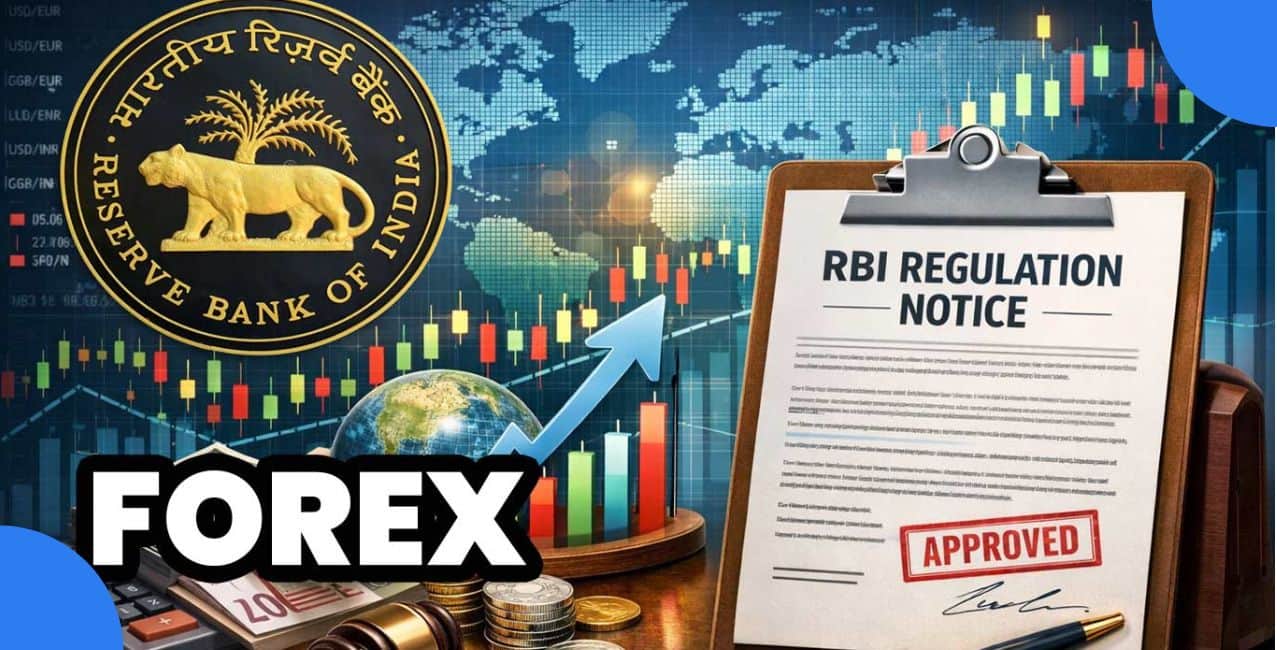
The RBI will no longer accept fresh applications for FFMCs. It has also asked existing authorised persons to close franchisee arrangements within 2 years. This is a major policy shift.
For years, FFMCs helped people exchange currency at airports, malls, and local markets.
Some smaller money changers may shut down in the short term. This could reduce the number of forex counters in some cities.
The RBI wants banks to handle these services through a cleaner and better-supervised agent system over time.
A new framework called Forex Correspondent (FxC) will now become the official model for retail forex services. Banks and other AD Category I and II entities can appoint FxCs for money-changing and remittance services.
All transactions will be recorded in the books of the main entity.
This change could improve forex access in smaller cities. Banks will be able to appoint local agents legally through a structured system. Here is the new structure:
Non-bank entities must also meet annual forex turnover targets within 2 years. AD Category II entities must reach ₹50 crore yearly turnover. FFMCs must reach a yearly turnover of ₹ 10 crore.
The RBI stated that the new guidelines “seek to simplify the approval framework for entities dealing in foreign exchange and expand the delivery of forex services through agents while maintaining regulatory safeguards.”
Industry experts see this as a long-awaited clean-up of the forex sector.
However, some experts have raised concerns. One concern is that large banks could dominate the market, leaving smaller forex dealers behind.
Others worry about compliance failures at the agent level. They believe stronger monitoring will be necessary.
The RBI has added “fit and proper” requirements for promoters and key management personnel to improve accountability.
Entities under investigation by enforcement agencies must also provide a no-objection certificate.
Applications will move through the PRAVAAH portal, while reporting will happen through the APConnect system.
The RBI’s decision to stop new FFMC licences is more than a regulatory clean-up. It is a major structural change in India’s retail forex system.
The move aims to improve accountability and create a proper chain of responsibility. However, its success will depend on how well banks train and monitor their Forex Correspondents.
1. Why did RBI stop issuing new FFMC licences in India?
The RBI wants a more transparent and better-regulated forex system. Instead of independent money changers, banks will now manage forex services through authorised Forex Correspondents.
2. Is RBI making foreign currency transfers and forex services stricter?
Yes, the RBI is increasing compliance and monitoring rules for forex services. The new system adds stricter checks, reporting requirements, and accountability for agents handling foreign exchange transactions.
*T&C Apply
Related Finance News | |||









.png&w=3840&q=75)



