By continuing, you agree to LoansJagat's Credit Report Terms of Use, Terms and Conditions, Privacy Policy, and authorize contact via Call, SMS, Email, or WhatsApp
Disclaimer: The information published on LoansJagat is intended for general informational and educational purposes only and should not be considered financial, legal, or investment advice. Interest rates, loan terms, statistics, and other data may change over time and may vary by lender or source. Please verify the latest information and consult a qualified financial advisor or the respective Bank/NBFC before making any financial decisions.
Apply for Loans Fast and Hassle-Free
Subscribe Now
About the author

‘Simplify Finance for Everyone.’ This is the common goal of our team, as we try to explain any topic with relatable examples. From personal to business finance, managing EMIs to becoming debt-free, we do extensive research on each and every parameter, so you don’t have to. Scroll up and have a look at what 15+ years of experience in the BFSI sector looks like.
Related Blog Post
Simplify All Your Loans Into One Affordable EMI

Customers Served

Debt Consolidated

1200+ Reviews

Locations in India
Club all Loans & Credit Card Bills into Single EMI

Quick Apply Loan
Consolidate your debts into one easy EMI.

Takes less than 2 minutes. No paperwork.

10 Lakhs+
Trusted Customers

2000 Cr+
Loans Disbursed

4.7/5
Google Reviews

50+
Banks & NBFCs Offers
Other services mentioned in this article
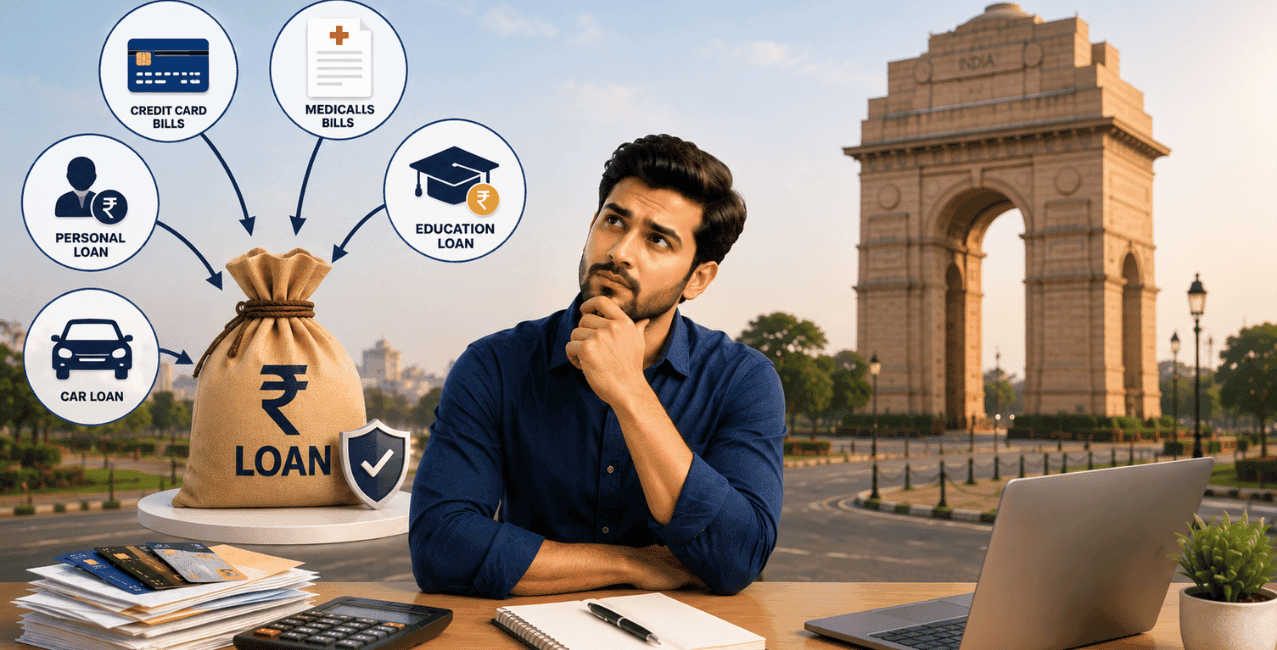
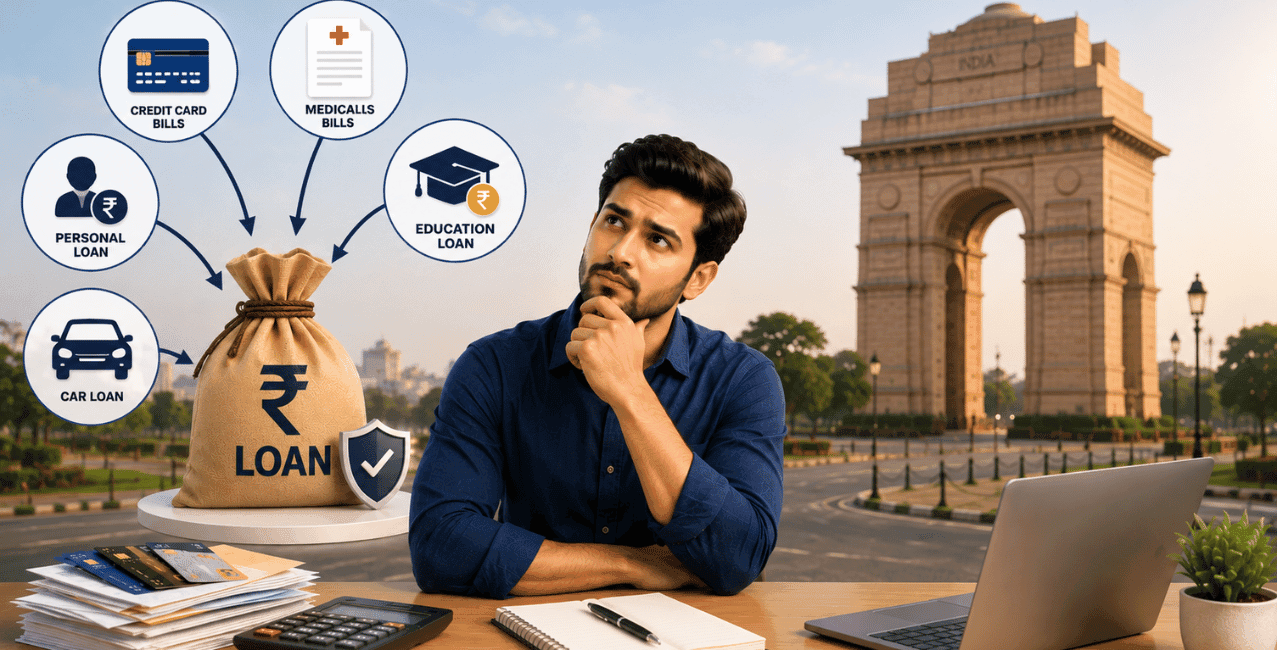
You have to pay your personal loan, education loan, and care loan. Which one will you pay first?. Confused? I get you. You are not alone here. Many people reach this point and get stuck because they don't know how to repay their entire debt. Here comes the Debt Snowball Method. This is basically a strategy where you repay the smallest loan first while continuing to make minimum payments on all other debts.
This method has become one of the most popular debt repayment strategies due to its effective approach. It motivates people throughout their debt repayment journey. When you complete the smallest task first, you are free to focus on the bigger one.
If you are someone with multiple debts like credit cards, personal loans, and medical bills. This method can be very useful for you. So, are you ready to know more about this method? Let's start.
Let's assume you are in an exam hall and the exam is just about to start. You have prepared well and practiced a lot. What will be your strategy to solve your paper?. Maybe you will pick small questions first and then move to the long answer questions, right? We all did this because we wanted to make our brain relaxed by finishing at least half of the paper. This is similar to the Debt Snowball Method.
The debt snowball method is a debt repayment strategy that focuses on repayment of debts from the smallest balance to the largest balance, regardless of the interest rate.
Now you know that the debt snowball method is a strategy that will make you pay smaller debt repayments first. But how does it work? No worries! Here you can learn about this.
Then repeat this cycle until each debt is fully paid.
Did you notice the name of this method? Why did they add snowball in the name? So, the answer is simple. Just like a snowball rolling downhill gets bigger over time, the amount of money you can put toward debt repayment grows as each debt is eliminated.
Fact Box
Actually, the debt snowball method focuses on human psychology instead of calculation. So, its benefits are related to psychology.
When you finish your smallest loan first, there is a feeling of victory. When you see your one debt disappear, your confidence automatically boosts.
Instead of feeling overwhelmed by several debts, you can celebrate each debt that you successfully pay off.
A monthly budget plays an important role in this method. As each debt is paid off, you have one less monthly payment to worry about. This method helps you make a budget that fits in your plan.
When you decide on a fixed amount for repaying monthly EMIs, you can spend on other expenses without any tension.
If you have different small debts like credit, personal loan, auto loan, medical bills, or student bills, the debt snowball method is perfect to repay them.
Just like any other method, this method also has some disadvantages.
As I mentioned above, you don't have to pay interest on it and focus on the main amount, but there is high interest remaining. You have to pay it when your largest loan is remaining.
As there is high-interest debt remaining, it can be frustrating. It extends the timeline. Putting any extra cash toward your smallest loan balance allows you to pay off debt faster
The next disadvantage of the debt snowball method is that you need to be consistent with budget discipline because it can take a longer time. As you finish one debt, your money is rolled out to the next debt.
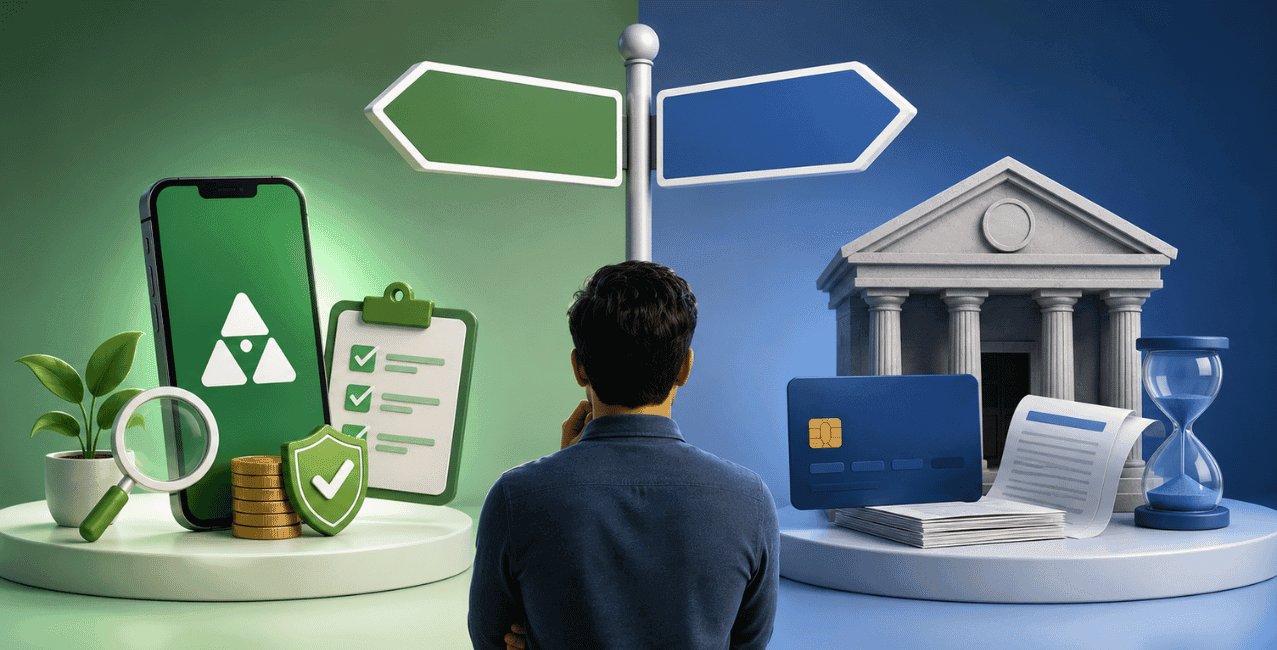
Actually, this method is good for motivation, but it's not the best if you want the least expensive way. There is another method called the Debt Avalanche Method; it is usually cheaper. Let's understand the difference between the Debt Snowball Method and Debt Avalanche Method.
Actually, both methods are used to become debt-free, but which one is best depends on your personality and financial status. Choosing the right debt repayment strategy helps you stay organized and motivated.
The debt avalanche method focuses on paying high-interest debt first. Here, you pay the minimum payment on all your other debts simultaneously.
The answer to this question is simple: if you need motivation, then the debt snowball method is best. If you want to save your money on interest, then you can go for the debt avalanche method.
The Snowball debt strategy is actually very effective if you do it properly. But some mistakes can slow down your progress. Let's understand which mistakes you should avoid.
Let's say Nitin has 5 debts, and he picked his personal loan to pay first, which was about 3,00,000. The other 4 debts were 16,00,000. When he spent all his money on the first debt repayment and avoided minimum payments for the other debts.
Many people feel relaxed after paying off their small debts, and their confidence boosts. In this situation, they take new loans, which worsens their problem. So, you should not take any new loan while using the debt snowball method. To do this, you can simply freeze your credit cards.
People are eager to pay off their debt quickly, so they use their whole savings and leave their bank account empty. This is one of the biggest mistakes. Because life is unpredictable, and you should always keep some money as emergency savings.
It's human nature to feel tired or demotivated, especially when something takes a lot of time. Similar happens with people who are following the debt snowball method. After completing one debt, people lose focus. To avoid such situations, automate the transition.
Do you know budgeting isn't like writing on paper and forgetting about it?. Actually, the budget is a living spreadsheet now. You need to review your budget regularly, and this is the thing many people forget to do.
*T&C Apply
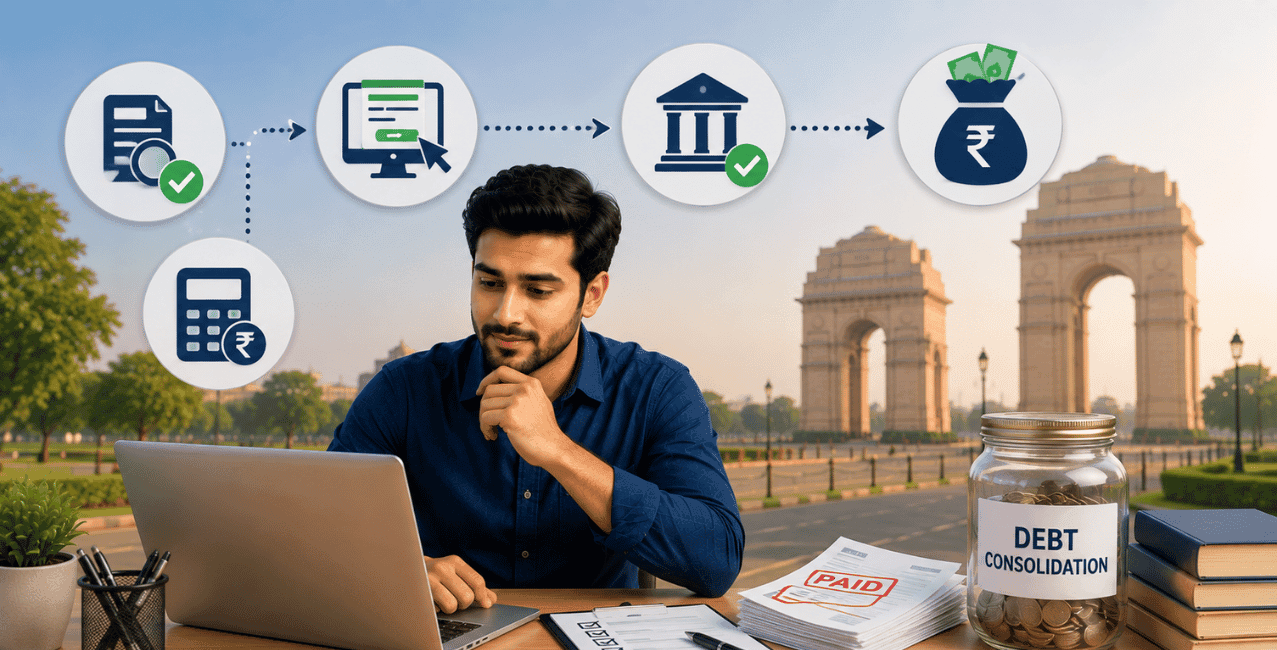
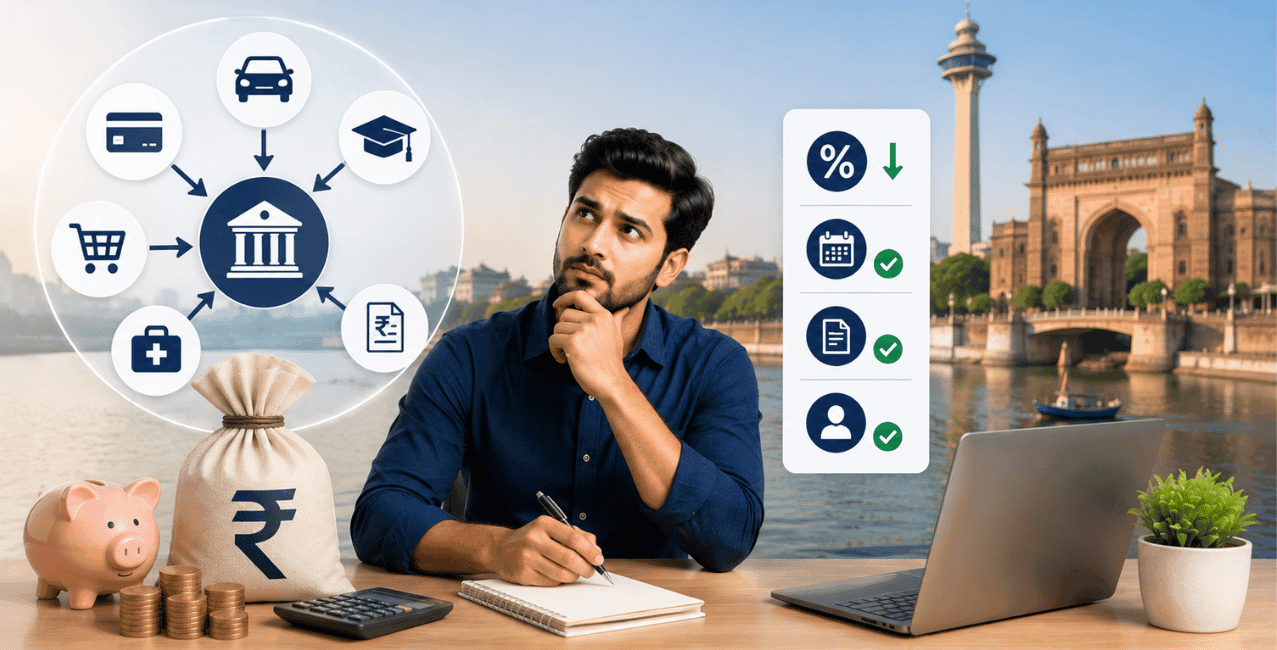
Actually, this is a good idea because it can make the debt reduction method easier and more effective. Debt consolidation simply reduces the number of your loans; eventually, your interest rate also decreases. And the debt snowball method helps you stay motivated.
We already know about the debt snowball method, but do you know about debt consolidation?. So, in debt consolidation, multiple debts like credit balances or personal loans are combined into new loans. It makes debt management easier.
Do you want to know the most common ways to consolidate loans?
Now you will ask when we should consider debt consolidation. So, the answer is simple. If you have the following situation, then choose debt consolidation.
You can use debt consolidation and the Debt Snowball Method together. First, you need to consolidate some of your debts but keep your smallest debts separate. Then use the debt consolidation method and roll the payment forward.
Just understand that paying off debt isn't only about making bigger payments. It requires financial discipline. If you too want to pay off debt even faster, just follow these tips.
Is the Debt Snowball Method good for credit card debt?
Yes, Credit card debt is often split across multiple cards.
Does the Debt Snowball Method improve your credit score?
Yes, the debt snowball method improves your score indirectly. When you eliminate individual accounts, your credit utilization ratio drops and your on-time payment history grows.
How long does the Debt Snowball Method take?
It usually takes 18 to 36 months but it depends on your total debt amount and monthly extra payments.
Can I use the Debt Snowball Method with personal loans?
Yes, you can use the debt snowball method with a personal loan but it works for any non-mortgage debt regardless of type.
Should I save money before paying off debt?
Yes, you should save at least₹10,000 to ₹50,000 first to avoid accumulating new debt.
Is the Debt Snowball Method better than debt consolidation?
Not necessarily; consolidation lowers interest rates, while the snowball method builds psychological momentum. So both methods are important.
Can I switch from Snowball to Avalanche later?
Yes, you can switch to the avalanche method anytime your financial priorities change
What if all my debts have similar balances?