By continuing, you agree to LoansJagat's Credit Report Terms of Use, Terms and Conditions, Privacy Policy, and authorize contact via Call, SMS, Email, or WhatsApp
Disclaimer: The information published on LoansJagat is intended for general informational and educational purposes only and should not be considered financial, legal, or investment advice. Interest rates, loan terms, statistics, and other data may change over time and may vary by lender or source. Please verify the latest information and consult a qualified financial advisor or the respective Bank/NBFC before making any financial decisions.
Subscribe Now
About the author

‘Simplify Finance for Everyone.’ This is the common goal of our team, as we try to explain any topic with relatable examples. From personal to business finance, managing EMIs to becoming debt-free, we do extensive research on each and every parameter, so you don’t have to. Scroll up and have a look at what 15+ years of experience in the BFSI sector looks like.
Related News
Simplify All Your Loans Into One Affordable EMI

Customers Served

Debt Consolidated

1200+ Reviews

Locations in India
Club all Loans & Credit Card Bills into Single EMI

Quick Apply Loan
Consolidate your debts into one easy EMI.

Takes less than 2 minutes. No paperwork.

10 Lakhs+
Trusted Customers

2000 Cr+
Loans Disbursed

4.7/5
Google Reviews

50+
Banks & NBFCs Offers
Other services mentioned in this article
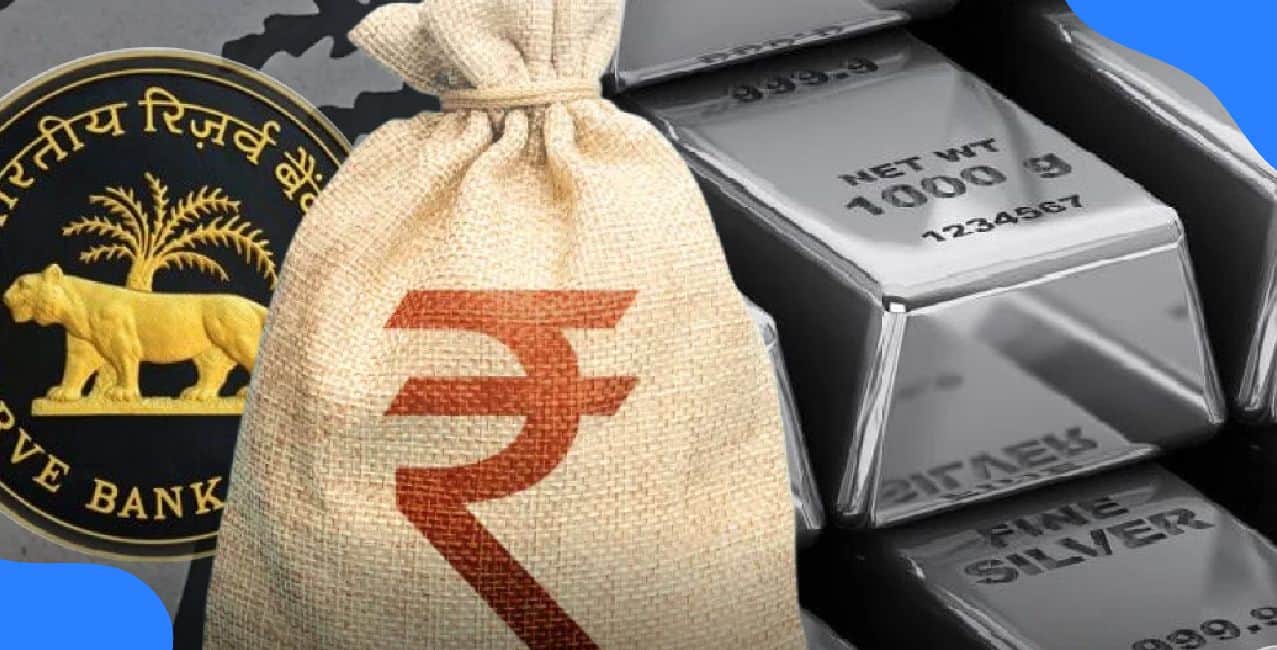
India’s lending ecosystem is gradually expanding beyond traditional collateral like property and gold. In a fresh move aimed at widening credit access, cooperative banks will soon begin offering loans against silver starting April 1, 2026. The decision follows revised lending norms that allow silver jewellery and coins to be used as collateral, bringing them closer to the well-established gold loan market.
But does pledging silver change ownership or convert your asset into a bank deposit? Much like the debate around pension loans, where money remains yours despite being pledged, silver loans also work on a similar principle. Here’s what borrowers should understand.
The new framework allows banks, NBFCs and cooperative banks to accept silver ornaments and coins as loan security, expanding formal credit access, especially in rural and semi-urban areas where households often hold silver instead of gold.
Silver ownership is far more widespread among lower-income households and agricultural communities. By recognising silver as acceptable collateral, policymakers aim to convert idle household assets into productive liquidity without forcing families to sell them.
Read More - Gold Or Silver Loans Before Checking These RBI Rules
For cooperative banks, this also opens a new secured lending segment with relatively lower credit risk compared to unsecured personal loans.
The government and RBI have standardised rules to prevent excessive lending risks while keeping loans accessible.
Additionally, borrowing limits have been defined to avoid misuse:
These safeguards ensure loans remain consumption- or need-based rather than speculative borrowing.
A loan against silver functions similarly to a gold loan:
Importantly, pledging silver does not transfer ownership to the bank. The asset merely acts as security. Once the borrower repays the loan and interest, the pledged silver is returned.
*T&C Apply
The RBI’s broader objective is to widen access to formal credit while maintaining borrower protection. Silver loans are expected to:
Standardised norms across lenders also reduce regulatory gaps and improve transparency in precious-metal lending.
The introduction of silver-backed loans marks a significant evolution in India’s collateral-based lending system. By allowing cooperative banks to lend against silver from April 2026, regulators are effectively unlocking household wealth that previously remained financially inactive.
Just like pension funds pledged for loans do not cease to belong to the borrower, silver used as collateral also remains the borrower’s property, serving only as temporary security. For millions of households holding silver assets, this reform could transform stored wealth into accessible credit without selling a single gram.









.png&w=3840&q=75)



