By continuing, you agree to LoansJagat's Credit Report Terms of Use, Terms and Conditions, Privacy Policy, and authorize contact via Call, SMS, Email, or WhatsApp
Disclaimer: The information published on LoansJagat is intended for general informational and educational purposes only and should not be considered financial, legal, or investment advice. Interest rates, loan terms, statistics, and other data may change over time and may vary by lender or source. Please verify the latest information and consult a qualified financial advisor or the respective Bank/NBFC before making any financial decisions.
Subscribe Now
About the author

LoansJagat Team
‘Simplify Finance for Everyone.’ This is the common goal of our team, as we try to explain any topic with relatable examples. From personal to business finance, managing EMIs to becoming debt-free, we do extensive research on each and every parameter, so you don’t have to. Scroll up and have a look at what 15+ years of experience in the BFSI sector looks like.
Related News
Simplify All Your Loans Into One Affordable EMI

Customers Served

Debt Consolidated

1200+ Reviews

Locations in India
Club all Loans & Credit Card Bills into Single EMI

Quick Apply Loan
Consolidate your debts into one easy EMI.

Takes less than 2 minutes. No paperwork.

10 Lakhs+
Trusted Customers

2000 Cr+
Loans Disbursed

4.7/5
Google Reviews

50+
Banks & NBFCs Offers
Other services mentioned in this article
For years, withdrawing Provident Fund money has been one of the most frustrating experiences for salaried Indians. Employees changing jobs often struggled with transfer requests, verification delays and endless follow-ups with former employers.
Now, the retirement body is attempting a major reset.
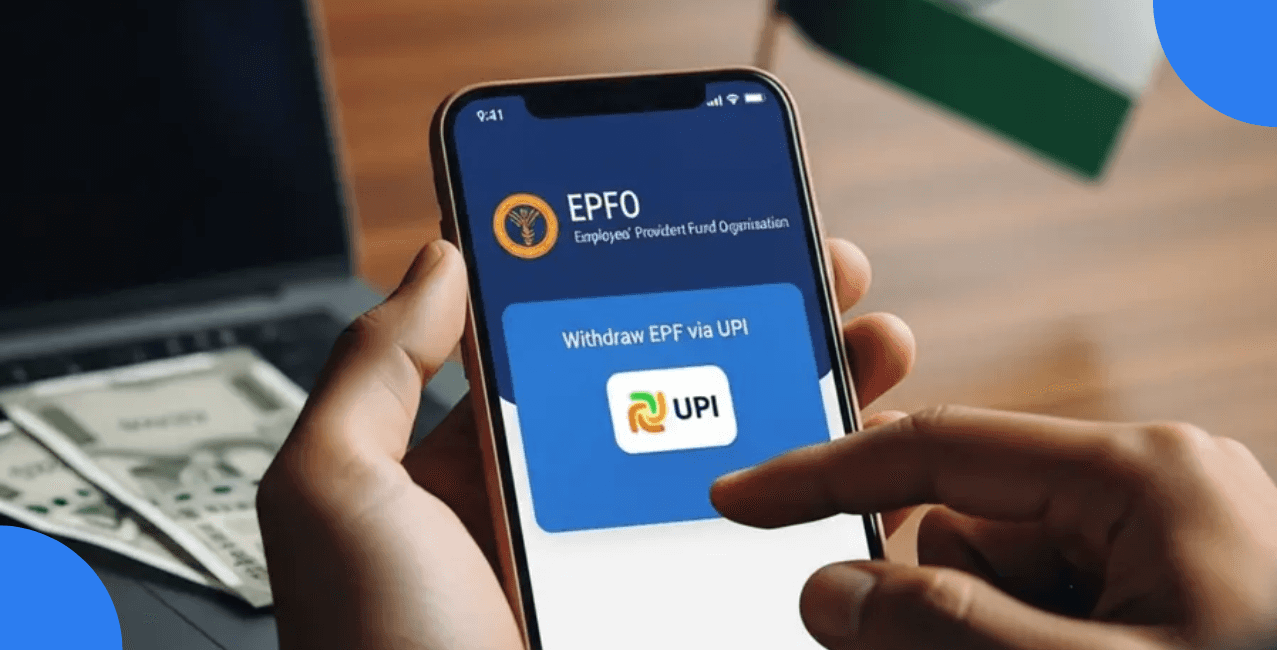
The Employees’ Provident Fund Organisation (EPFO) is preparing to automate final provident fund withdrawal claims and PF account transfers. If implemented smoothly, the move could dramatically reduce paperwork and waiting time for more than seven crore EPFO subscribers across India.
The development comes at a time when the government is aggressively pushing EPFO 3.0, a technology-driven overhaul designed to simplify member services and reduce human intervention in claim processing.
According to EPFO officials, partial withdrawal claims up to ₹5 lakh are already being settled through auto mode in many eligible cases, often within three days.
Read More : EPFO ATM Card: PF Withdrawal
What Exactly Is Changing?
At present, many PF-related services still require manual checks or employer approvals. This is especially true in cases involving final settlements after resignation or retirement.
Under the new framework, EPFO plans to automate three major areas:
The most important shift is the proposed automation of final withdrawals.
This means eligible members may no longer have to wait for extensive backend approvals before receiving their PF money. Instead, claims could be processed automatically after digital verification checks are completed.
EPFO officials have indicated that the objective is to reduce settlement timelines from several days, or even weeks in some cases, to a much shorter window.
A useful way to understand this reform is to compare it with how FASTag transformed toll payments.
Earlier, vehicles stopped at toll plazas, cash changed hands and long queues were common. FASTag automated the process by verifying details digitally and deducting money instantly.
EPFO is attempting something similar with provident fund claims.
Instead of employees moving files between employers, regional offices and verification desks, the system aims to validate KYC details, employment history and bank information digitally before releasing funds automatically.
The fewer the manual touchpoints, the lower the delays.
That matters because PF money is often accessed during emergencies — unemployment, illness, marriage, housing needs or retirement planning.
One of the biggest recent reforms was EPFO’s decision to raise the auto-settlement limit for advance claims from ₹1 lakh to ₹5 lakh.
*T&C Apply
The change significantly expands the number of claims eligible for automatic processing.
Earlier, many members whose withdrawal requests exceeded ₹1 lakh had to undergo manual scrutiny, which increased processing time.
Now, a larger pool of subscribers can receive quicker disbursals, particularly during urgent financial situations such as medical emergencies or education expenses.
According to official data shared by the Labour Ministry, over 3.52 crore advance claims up to ₹5 lakh were settled through auto mode during the current financial year till February 2026.
The same parliamentary update also noted that nearly 71% of advance claims were processed automatically during the year.
Another important reform is the automation of PF account transfers when employees switch jobs.
Traditionally, employees had to file transfer requests manually, and in many cases, approvals from previous or current employers delayed the process.
EPFO now says most KYC-compliant accounts may no longer require employer intervention for transfers.
This could particularly benefit younger professionals who switch jobs frequently in sectors like IT, startups, consulting and e-commerce.
Government data shows that more than 70 lakh transfer claims had already been auto-triggered without employee or employer intervention by February 2026.
Also Read : How Much PF Can Be Withdrawn
The Real Test Will Be Execution
Despite the ambitious announcements, the real challenge lies in execution.
EPFO’s digital ecosystem has historically faced criticism over server downtime, KYC mismatches and claim rejections. Several users on online forums have also reported inconsistent experiences with auto-settlement timelines.
Experts say the success of EPFO 3.0 will depend heavily on accurate Aadhaar linkage, verified bank accounts and cleaner employment records.
Even a minor mismatch in name, date of birth or bank details can still delay automated processing.
For employees, the takeaway is straightforward: keeping KYC records updated may become more important than ever before.
If EPFO succeeds in scaling these reforms effectively, India’s PF system could finally begin functioning more like a modern digital financial platform rather than a paperwork-heavy government process.
EPFO Claim Settled but Not Credited Even After 11 Months – Need Help
An EPFO claim usually credits within 3–20 working days after settlement, so an 11-month delay likely indicates a banking, KYC, or processing issue requiring escalation.
How much time does it take after the "under process" status for an online EPFO claim?
Most online EPFO claims move from “under process” to credit within 7–20 working days.









.png&w=3840&q=75)



