By continuing, you agree to LoansJagat's Credit Report Terms of Use, Terms and Conditions, Privacy Policy, and authorize contact via Call, SMS, Email, or WhatsApp
Disclaimer: The information published on LoansJagat is intended for general informational and educational purposes only and should not be considered financial, legal, or investment advice. Interest rates, loan terms, statistics, and other data may change over time and may vary by lender or source. Please verify the latest information and consult a qualified financial advisor or the respective Bank/NBFC before making any financial decisions.
Subscribe Now
About the author

LoansJagat Team
‘Simplify Finance for Everyone.’ This is the common goal of our team, as we try to explain any topic with relatable examples. From personal to business finance, managing EMIs to becoming debt-free, we do extensive research on each and every parameter, so you don’t have to. Scroll up and have a look at what 15+ years of experience in the BFSI sector looks like.
Related News
Simplify All Your Loans Into One Affordable EMI

Customers Served

Debt Consolidated

1200+ Reviews

Locations in India
Club all Loans & Credit Card Bills into Single EMI

Quick Apply Loan
Consolidate your debts into one easy EMI.

Takes less than 2 minutes. No paperwork.

10 Lakhs+
Trusted Customers

2000 Cr+
Loans Disbursed

4.7/5
Google Reviews

50+
Banks & NBFCs Offers
Other services mentioned in this article
A government-backed bond offering 8.05% has stayed unchanged into March 2026. That keeps it in focus, but investors now have to weigh yield, taxation and lock-in more carefully.
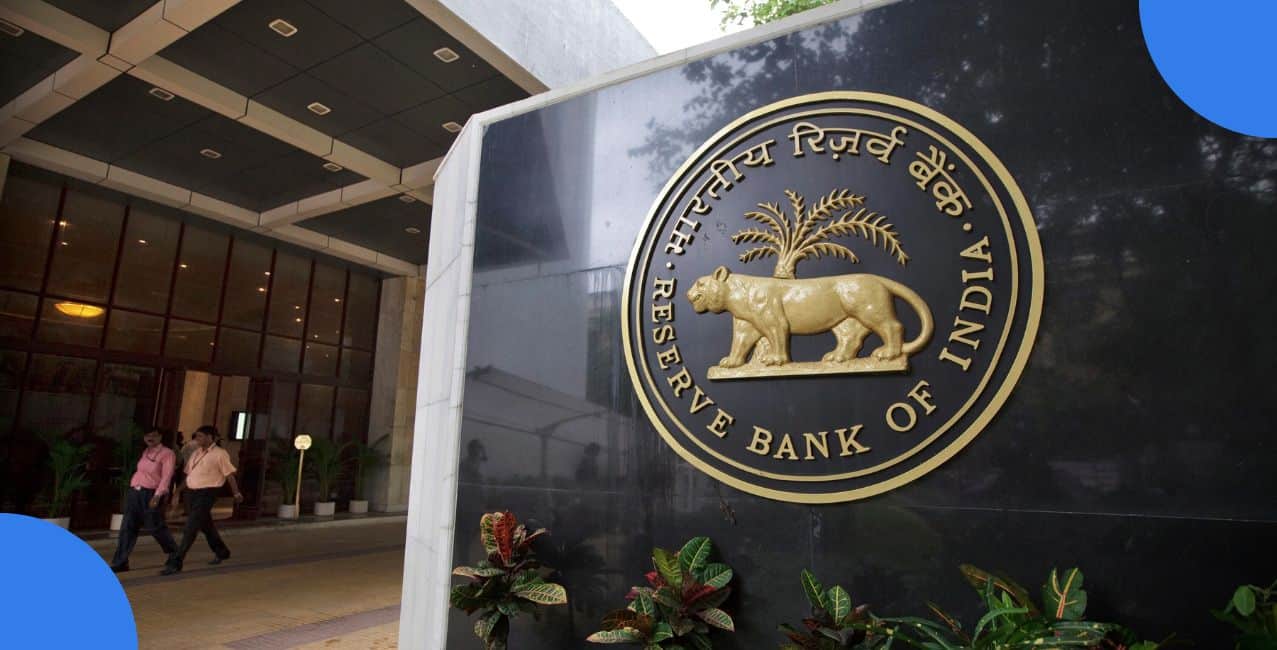
The RBI Floating Rate Savings Bond is still offering 8.05% for the current half-year, with the coupon linked to the National Savings Certificate at 7.7% plus a 0.35% spread. The latest reset covers January 1, 2026 to June 30, 2026, and the next interest payment falls on July 1, 2026.
Economic Times reported this on March 30, 2026, while official scheme details published by banks show the bond continues to carry a 7-year tenor, minimum investment of Rs 1,000, no upper cap, and half-yearly interest payout.
The key point is that the bond’s return has not changed, even as investors keep scanning fixed-income products for yields above 8%. The Centre has also kept small savings rates unchanged for the April-June 2026 quarter, which means the benchmark NSC rate remains 7.7%. That has effectively kept the floating bond at 8.05%.
Among sovereign-backed options, only Senior Citizens Savings Scheme at 8.2% is currently higher, while PPF is at 7.1% and 5-year Post Office Time Deposit is at 7.5%. For regular income seekers, that leaves the floating bond near the top of the safe-return list, though its interest is fully taxable.
The bond still appeals to conservative investors because it offers sovereign backing and visible cash flow every 6 months. But it does not give liquidity comfort. Official scheme pages say it is non-tradable, cannot be used as collateral, and allows premature withdrawal only for specified senior citizen categories. Interest is taxable and subject to TDS under applicable rules.
This scheme came in after the government replaced the old 7.75% Savings (Taxable) Bonds, 2018 with the new floating-rate format through a PIB release dated June 26, 2020. Since then, the coupon has moved with the NSC benchmark and is reset every January 1 and July 1. The current 8.05% rate was also seen in the previous half-year, so there has been no fresh upward move.
News coverage through Economic Times on January 2, 2026, Angel One on January 3, 2026, and Mint on March 30, 2026 all pointed to the same theme: the product stayed firm while many bank FD discussions turned cautious.
Banks distributing the scheme continue to highlight the 7-year maturity, Rs 1,000 minimum, and taxable half-yearly payout.
News platforms such as Economic Times and Mint have flagged that the bond remains among the few low-risk instruments still above 8%, while LoansJagat has positioned it as a stronger option when FD rates soften.
The 8.05% coupon is still intact.
For investors chasing safe income, the bond remains relevant, but post-tax return and lock-in can change the final choice.
Related Financial News | |||
*T&C Apply









.png&w=3840&q=75)



