By continuing, you agree to LoansJagat's Credit Report Terms of Use, Terms and Conditions, Privacy Policy, and authorize contact via Call, SMS, Email, or WhatsApp
Disclaimer: The information published on LoansJagat is intended for general informational and educational purposes only and should not be considered financial, legal, or investment advice. Interest rates, loan terms, statistics, and other data may change over time and may vary by lender or source. Please verify the latest information and consult a qualified financial advisor or the respective Bank/NBFC before making any financial decisions.
Subscribe Now
About the author

LoansJagat Team
‘Simplify Finance for Everyone.’ This is the common goal of our team, as we try to explain any topic with relatable examples. From personal to business finance, managing EMIs to becoming debt-free, we do extensive research on each and every parameter, so you don’t have to. Scroll up and have a look at what 15+ years of experience in the BFSI sector looks like.
Related News
Simplify All Your Loans Into One Affordable EMI

Customers Served

Debt Consolidated

1200+ Reviews

Locations in India
Club all Loans & Credit Card Bills into Single EMI

Quick Apply Loan
Consolidate your debts into one easy EMI.

Takes less than 2 minutes. No paperwork.

10 Lakhs+
Trusted Customers

2000 Cr+
Loans Disbursed

4.7/5
Google Reviews

50+
Banks & NBFCs Offers
Other services mentioned in this article
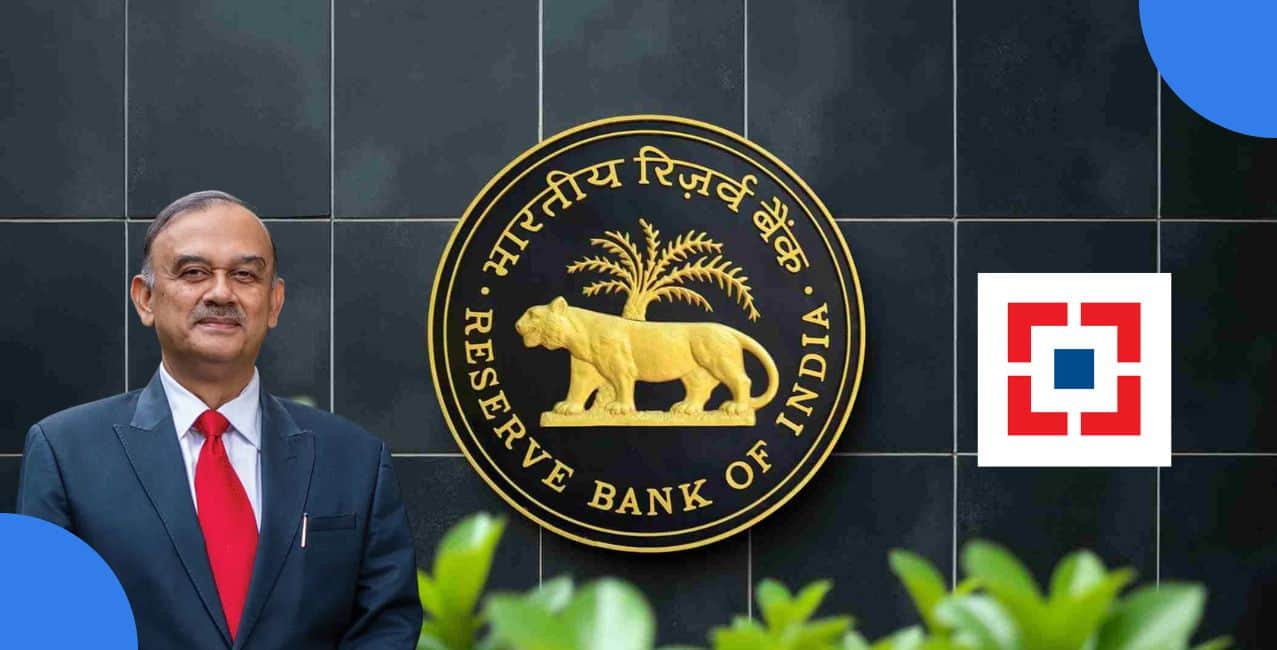
When the chairman of India’s largest private lender, HDFC Bank, suddenly resigns citing “values and ethics”, markets expect clarity — not confusion. The unexpected exit of Atanu Chakraborty in March 2026 triggered sharp investor anxiety, wiping billions off the bank’s market value within days and drawing attention from regulators including the Reserve Bank of India (RBI).
An opinion piece in ThePrint argues that the real issue was not the resignation itself, but how institutions responded to it, highlighting a deeper lesson about governance communication in India’s banking system.
Chakraborty stepped down before completing his tenure, stating that certain “happenings and practices” were not aligned with his personal values. However, neither detailed allegations nor clear explanations followed immediately. This ambiguity unsettled investors more than the resignation itself.
Markets generally absorb bad news if facts are clear. But uncertainty creates fear because investors cannot assess risk properly. The lack of precise disclosure led to a sharp fall in the bank’s stock and broader concerns about governance standards in large financial institutions.
Subsequent reports suggested disagreements linked to governance issues and handling of internal matters such as bond-selling practices, though no single trigger was officially confirmed.
The RBI quickly stepped in to calm markets, stating it had found no material governance or conduct concerns at the bank and approved an interim leadership arrangement.
While this reassurance helped stabilise sentiment, the opinion argues that regulators and institutions missed an opportunity to ask deeper public questions. In a system where banks rely heavily on trust, communication gaps can damage confidence even when fundamentals remain strong.
The episode highlights a regulatory dilemma: balancing financial stability with transparency. Immediate reassurance protects markets, but limited disclosure may prolong speculation.
The incident signals that leadership exits at systemically important banks are no longer seen as routine corporate changes. Instead, they are interpreted as indicators of board independence, internal culture, and oversight strength.
Experts believe the episode could lead to tighter scrutiny of board appointments and governance practices across private banks, especially regarding the role of independent directors and their ability to challenge management decisions.
The central takeaway is simple: markets do not necessarily panic over negative developments — they panic over uncertainty. The Chakraborty episode shows that in modern banking, credibility depends as much on transparent communication as on financial performance.
For regulators, boards, and investors alike, the message is clear: trust in banking is built not only through strong balance sheets, but through timely and credible explanations when leadership crises emerge.
*T&C Apply









.png&w=3840&q=75)



