By continuing, you agree to LoansJagat's Credit Report Terms of Use, Terms and Conditions, Privacy Policy, and authorize contact via Call, SMS, Email, or WhatsApp
Disclaimer: The information published on LoansJagat is intended for general informational and educational purposes only and should not be considered financial, legal, or investment advice. Interest rates, loan terms, statistics, and other data may change over time and may vary by lender or source. Please verify the latest information and consult a qualified financial advisor or the respective Bank/NBFC before making any financial decisions.
Subscribe Now
About the author

LoansJagat Team
‘Simplify Finance for Everyone.’ This is the common goal of our team, as we try to explain any topic with relatable examples. From personal to business finance, managing EMIs to becoming debt-free, we do extensive research on each and every parameter, so you don’t have to. Scroll up and have a look at what 15+ years of experience in the BFSI sector looks like.
Related News
Simplify All Your Loans Into One Affordable EMI

Customers Served

Debt Consolidated

1200+ Reviews

Locations in India
Club all Loans & Credit Card Bills into Single EMI

Quick Apply Loan
Consolidate your debts into one easy EMI.

Takes less than 2 minutes. No paperwork.

10 Lakhs+
Trusted Customers

2000 Cr+
Loans Disbursed

4.7/5
Google Reviews

50+
Banks & NBFCs Offers
Other services mentioned in this article
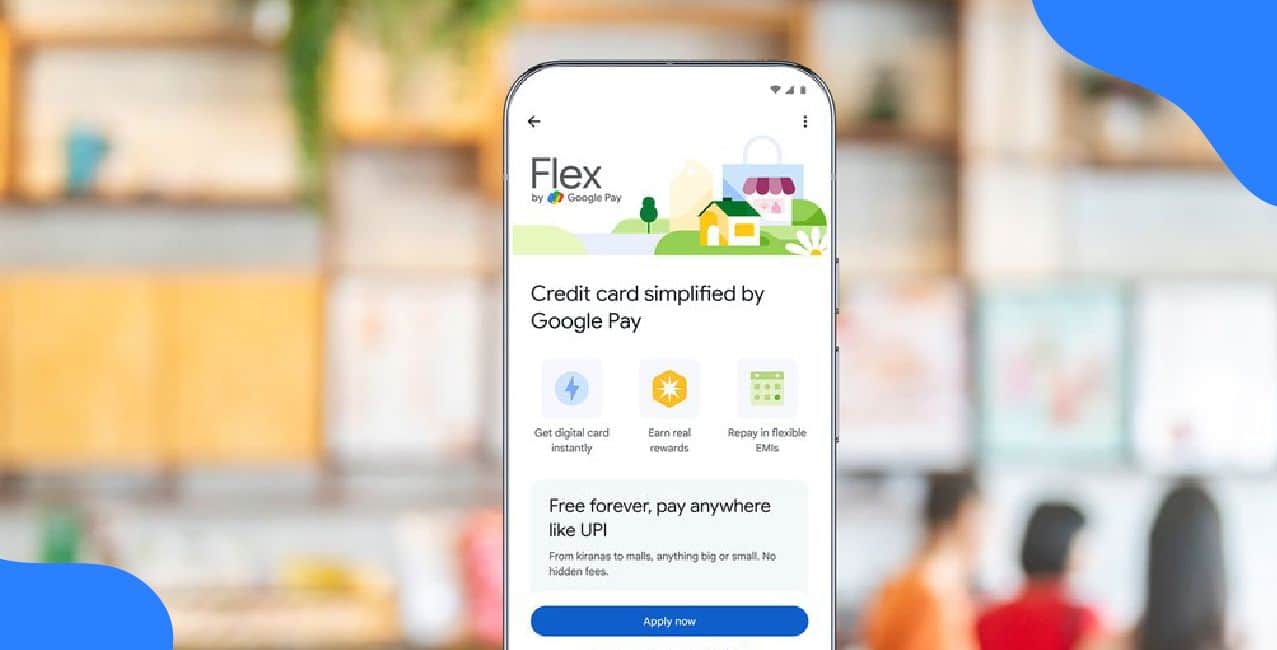
Digital credit in India is undergoing a shift. Although Unified Payments Interface (UPI) transformed how people pay, everyday transactional credit has remained less accessible than payments themselves. On 17 December 2025, Google Pay unveiled Flex by Google Pay, a UPI-powered, fully digital credit product designed to simplify credit for daily use.
This initiative, launched first with Axis Bank, uses the RuPay network and blends the familiarity of UPI payments with a credit card experience tailored for millions of users across the country.
Flex by Google Pay is essentially a digital, co-branded credit card embedded within the Google Pay app, removing traditional barriers like paperwork or waiting for a physical card. It targets everyday spending needs — from grocery bills to online purchases — by making credit as ubiquitous as UPI transactions. Built on the RuPay infrastructure, the Flex card reflects India’s payment ecosystem while extending short-term credit in a familiar way.
Applications are processed entirely within the Google Pay app, requiring minimal time and effort. Once approved, users can transact immediately, using QR scans or online checkouts just like they would with UPI, but now backed by credit. This seamless experience encourages more users — especially those who might not yet hold a traditional card — to explore formal credit.
Read More - How to Add Credit Card in Google Pay – Easy Linking Guide
Features That Matter
Flex brings several user-friendly features that reflect the needs of today’s mobile-first consumer:
*T&C Apply
These features work together to make credit feel less intimidating and more accessible, especially to first-time users.
Credit cards in India are still underpenetrated compared with the size of the population — fewer than about 50 million individuals hold one. By integrating credit directly into an app used for everyday payments, Google Pay and Axis Bank hope to bridge payments and credit, making borrowing simpler and more intuitive.
This model also reflects a broader trend: using digital platforms to extend credit more responsibly and transparently, with clear options for repayment and a familiar interface that millions already rely on for UPI transactions. The immediate rewards and in-app visibility of spending and dues are designed to promote good credit behaviour rather than just lending more.
Also Read - Pay With Crypto Currency from Google Pay and Apple Pay
What Comes Next
Flex’s initial rollout is just the first step. Google Pay plans to expand the offering to more banks and lenders, deepening its financial services footprint. If successful, this product could influence how credit is distributed, making it as commonplace and seamless as digital payments — especially in smaller towns and among users new to credit.
In a market where digital payments are already woven into daily life, Flex could be a key piece in bringing responsible credit to millions who previously relied only on debit or cash. As adoption grows, it may signal a shift in how everyday borrowing is viewed in India’s financial ecosystem.









.png&w=3840&q=75)



