Check AI Loan Optimisation Plans to Reduce Your EMI

Disclaimer: The information published on LoansJagat is intended for general informational and educational purposes only and should not be considered financial, legal, or investment advice. Interest rates, loan terms, statistics, and other data may change over time and may vary by lender or source. Please verify the latest information and consult a qualified financial advisor or the respective Bank/NBFC before making any financial decisions.
Subscribe Now
About the author

Anishka Bhadly is a content writer with a finance and business background. She has completed her bachelor's degree with a specialisation in finance and is currently pursuing an MBA in the finance field too. The knowledge she has gained from her studies and experience working with EdTech companies helped her combine theoretical knowledge with practical industry insight. Her expertise lies in creating well-researched, informative, and reader-friendly content in various banking, personal finance, loans, insurance, and investment-related topics.
Related Blog Post

Pay Less EMI Every Month

1Cr+
Loans analysed by our AI

50Lacs+
Customers served

10,000+
Pincodes served

₹1,000Cr+
EMI savings delivered

1,400+ Google reviews

Quick Apply Loan
Consolidate your debts into one easy EMI.

Takes less than 2 minutes. No paperwork.

10 Lakhs+
Trusted Customers

2000 Cr+
Loans Disbursed

4.7/5
Google Reviews

50+
Banks & NBFCs Offers
Other services mentioned in this article
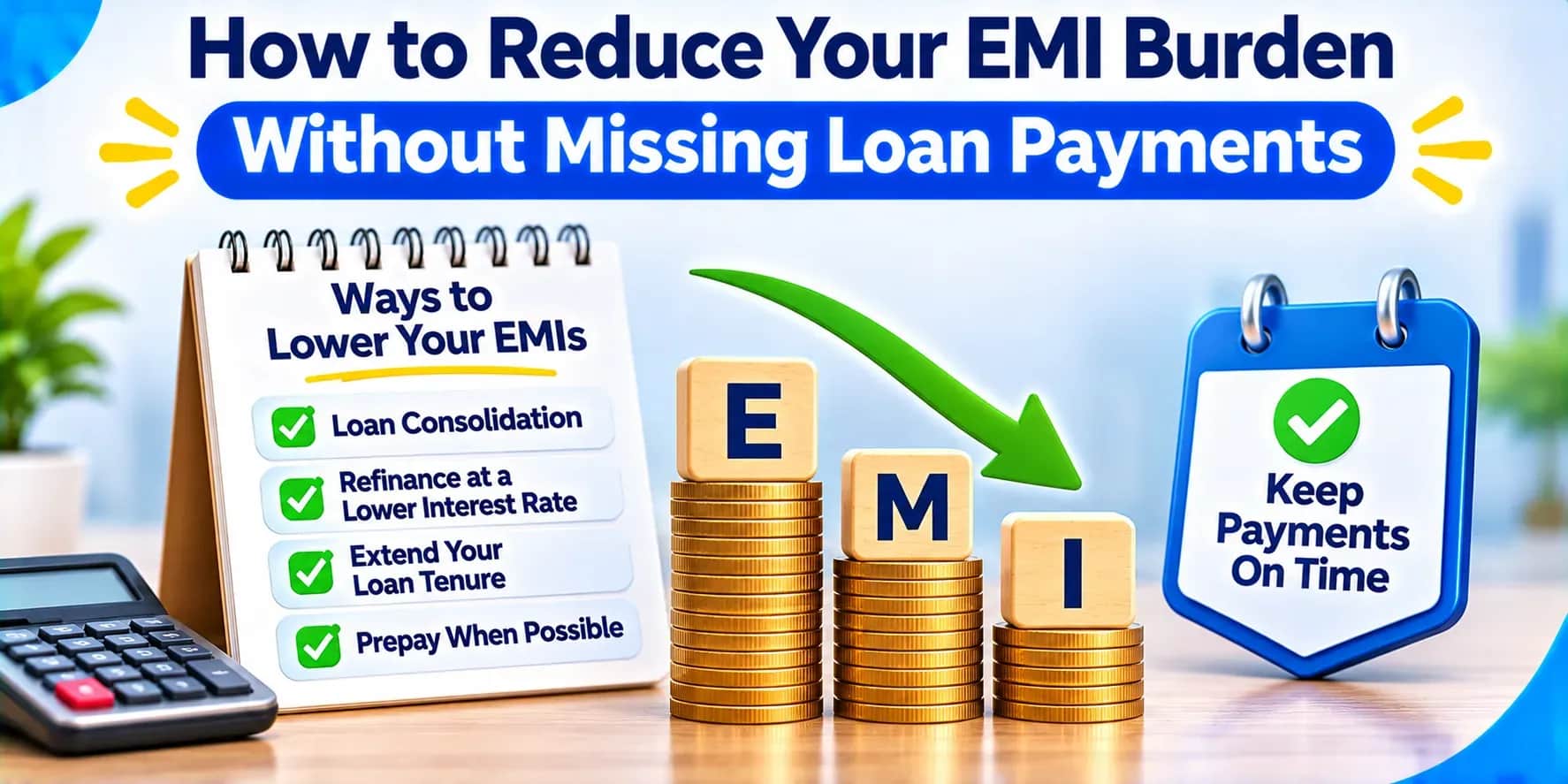
Managing loan EMIs every month can feel stressful, especially when most of your salary goes towards repayments. A high EMI can leave you with little room for household expenses, savings or unexpected costs. The good news is that you may be able to ease this pressure without missing payments or taking on unnecessary debt. A few practical changes, such as reviewing your loan terms, exploring refinancing and planning your monthly budget, can help make repayments more manageable.
Key Takeaways:
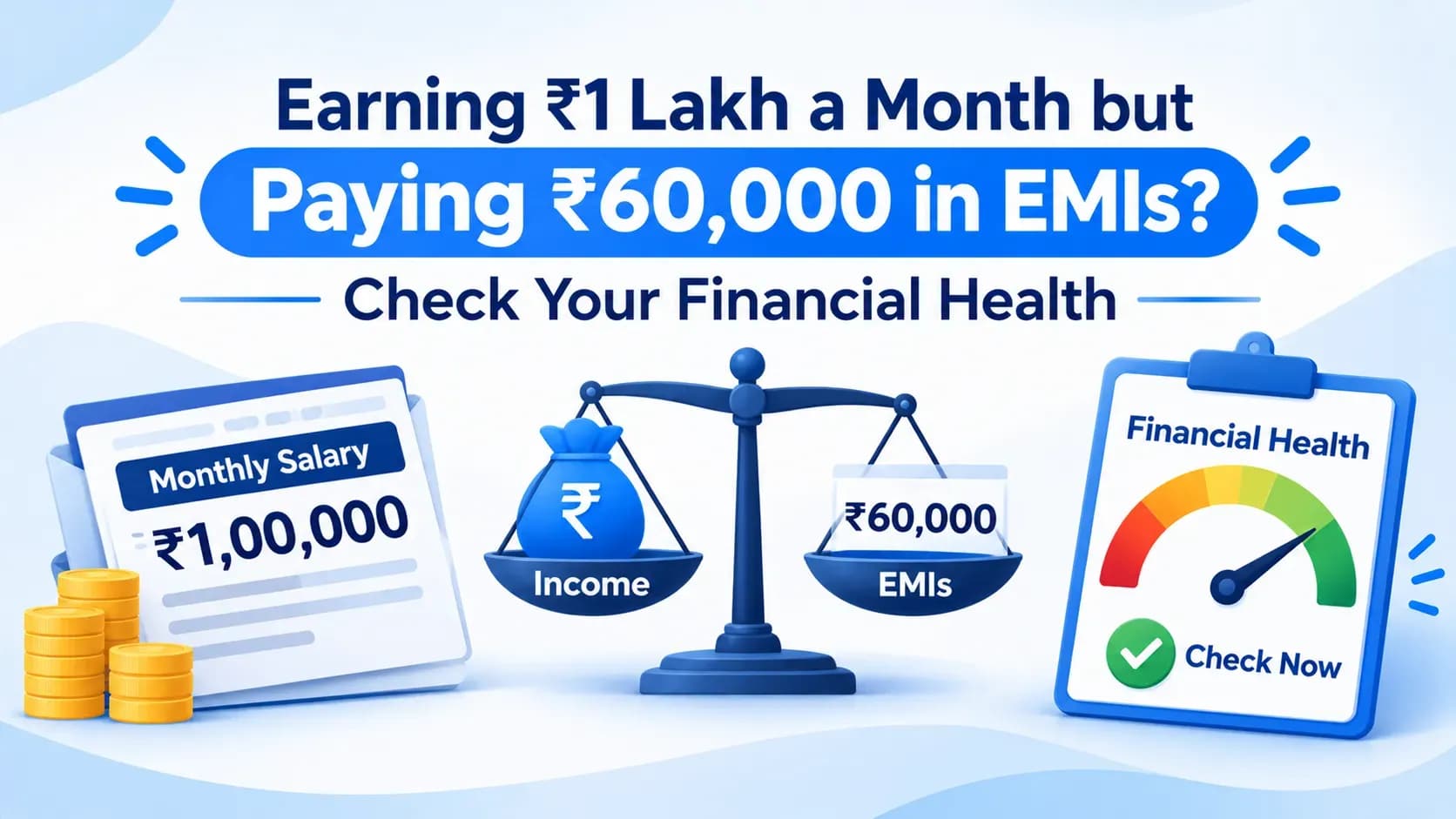
EMI burden refers to the portion of your monthly income that goes towards repaying loans. It includes instalments for personal loans, home loans, vehicle loans and other credit facilities. A high EMI burden can leave you with less money for household expenses, savings and unexpected financial needs.
Understanding how much of your income goes towards EMIs is the first step towards making your repayments more manageable.
You can explore several options to manage your monthly repayments without missing due dates. Here are some practical steps to consider:
Start by preparing a list of all your active loans and their repayment details. Include the outstanding balance, interest rate, monthly EMI, remaining tenure and payment due date.
This will help you identify which loans are taking up the largest share of your income. You can also check whether you are paying higher interest on certain loans or managing several repayments at the same time.
A clear picture of your existing debt can help you decide whether you need to adjust your budget, discuss revised terms with your lender or explore loan optimisation options.
If your current EMIs are difficult to manage, contact your lender and ask whether revised repayment terms are available. Depending on the lender's policies and your financial circumstances, you may be able to explore a change in the repayment schedule or tenure.
A longer repayment tenure may reduce your monthly EMI, but it can also increase the total interest paid over the loan period. Therefore, compare the revised repayment amount and overall borrowing cost before accepting any changes.
Do not stop or delay your existing payments while waiting for the lender's decision.
Loan refinancing involves replacing an existing loan with a new loan that has different terms. You may explore this option if another lender offers a more suitable interest rate or repayment structure.
Before switching, compare:
Refinancing is worth considering only when the revised terms are financially beneficial and you meet the lender's eligibility criteria.
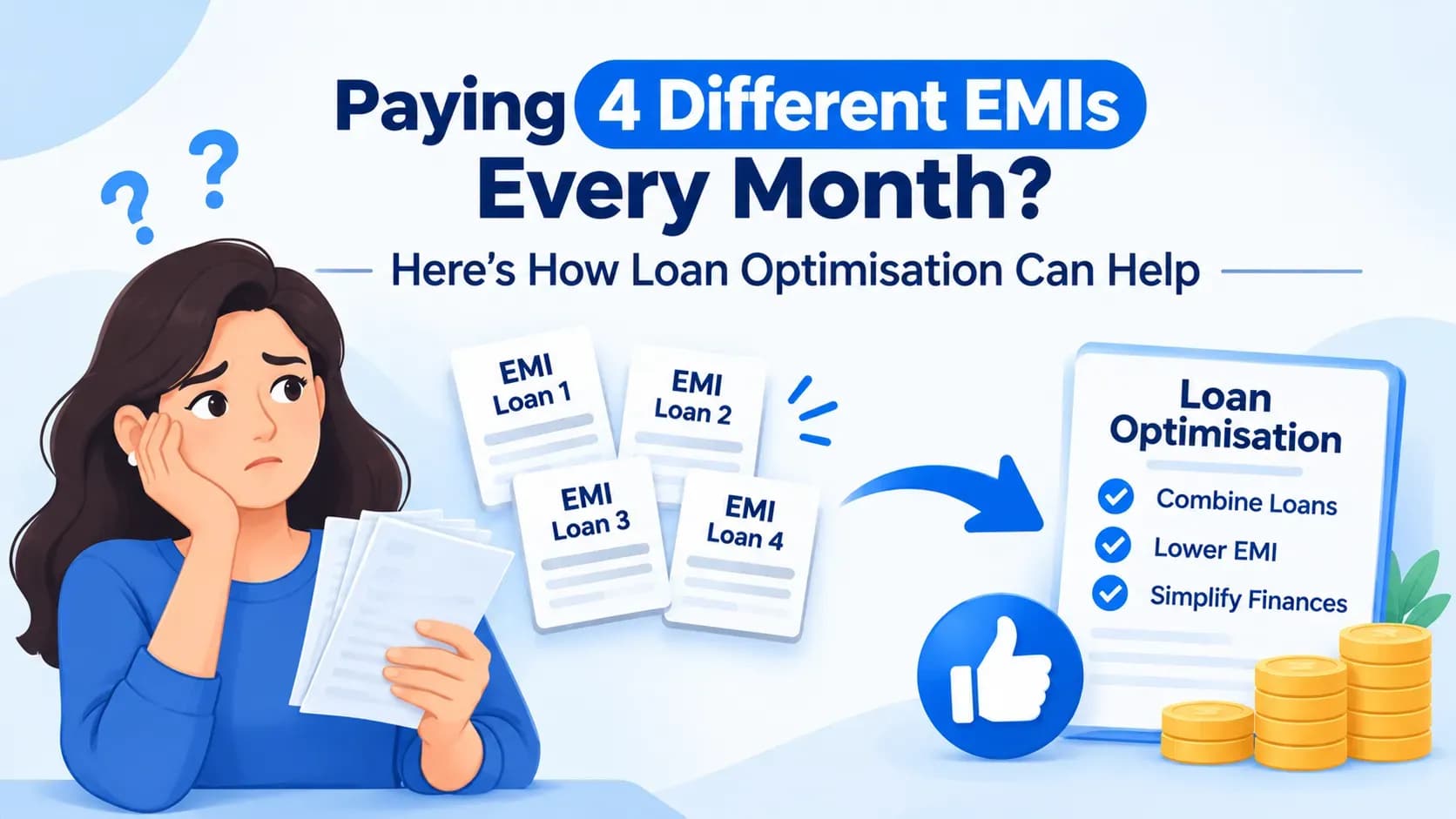
Managing several EMIs can make monthly budgeting difficult. Debt consolidation allows you to combine eligible outstanding debts, such as multiple loans or credit card dues, into one repayment arrangement.
Instead of tracking several repayment dates, you may have one repayment schedule for the consolidated loan. Depending on the interest rate, fees and tenure, this arrangement may also help manage your monthly repayment burden.
However, consolidation does not automatically reduce your debt or guarantee lower interest costs. Check the total repayment amount and charges before proceeding. Also, avoid taking on additional unsecured debt if your existing repayments are already putting pressure on your finances.
Review your outstanding balances and identify debts carrying higher interest rates. If your monthly budget allows, consider making additional payments towards these balances while keeping enough money aside for regular expenses and upcoming EMIs.
Reducing an outstanding balance can lower the interest charged over time, depending on the loan's terms. For credit card dues, paying more than the minimum amount can also help reduce the outstanding balance faster.
Before making additional payments, check whether your lender applies any prepayment conditions or charges. Continue paying all scheduled EMIs and dues on time.
A practical monthly budget can help you keep track of EMIs without affecting essential expenses. Start by calculating your monthly income and deducting fixed commitments such as rent, utilities, groceries and loan repayments.
Set aside money for EMIs before allocating funds to discretionary spending. You can also maintain a separate account or payment reminder system to avoid overlooking due dates.
Try to build an emergency savings cushion alongside your repayments. This can help you manage unexpected expenses without immediately depending on additional borrowing.
Taking another loan to pay existing EMIs may appear to offer temporary relief, but it can increase your overall debt burden. A new loan adds another repayment obligation and may make your monthly budget more difficult to manage.
Before borrowing again, review whether refinancing, consolidation or a revised repayment arrangement is suitable. If your finances are already under pressure, focus on understanding and reducing existing commitments rather than adding new unsecured debt.
Not every option will suit every borrower. Compare the following details before changing your repayment arrangement.
A lower EMI may make monthly payments easier, but it does not always mean you will pay less overall. Compare the total repayment cost before making a decision.
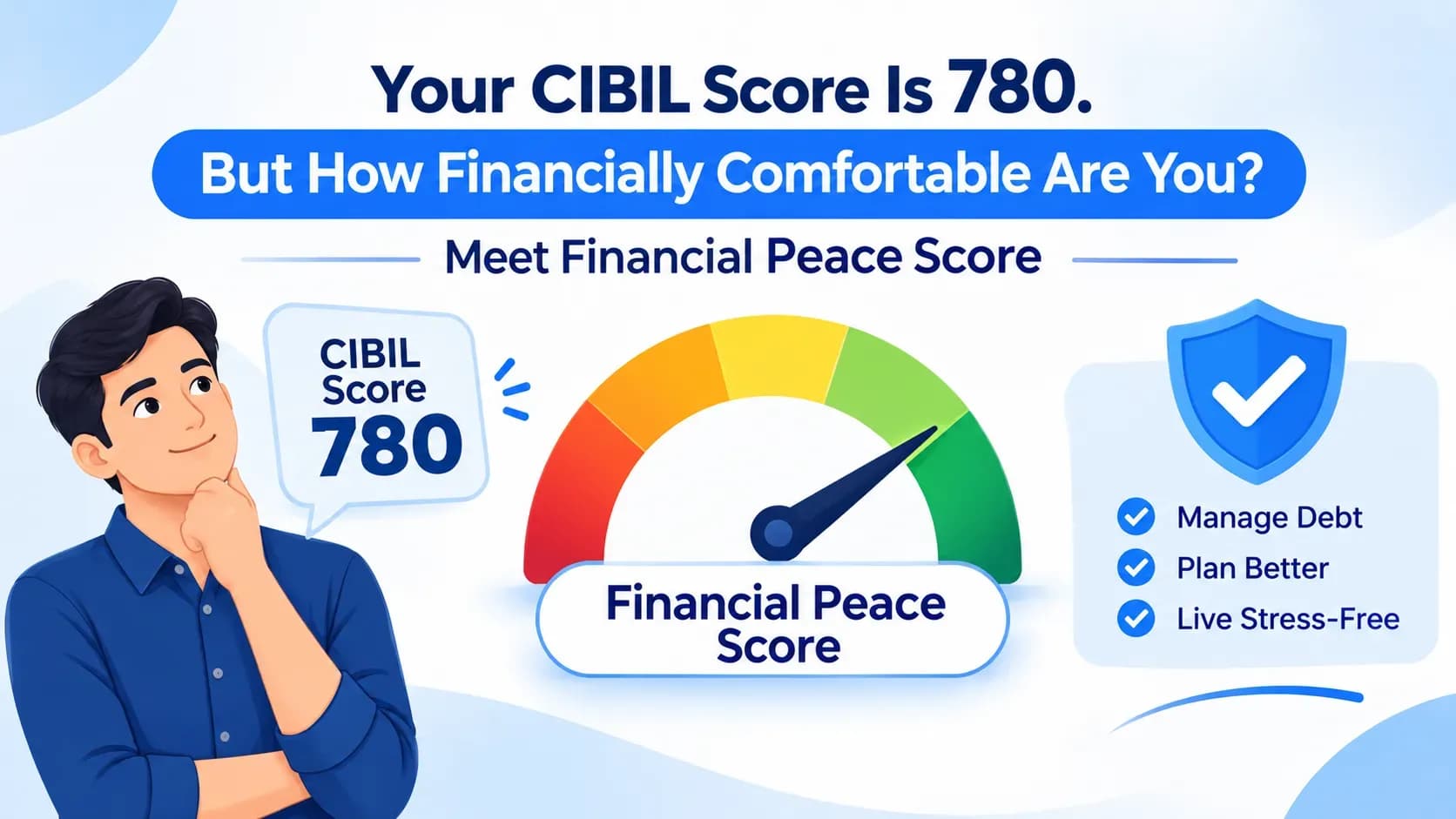
Understanding your EMI burden involves more than checking your credit score. You also need to consider your income, existing loan commitments, repayment habits and savings.
Financial Peace Score by LoansJagat is a financial wellness assessment that gives you a score between 0 and 100. It considers four key areas:
Based on your financial profile, the assessment can present personalised loan optimisation plans. These may include combining eligible debts, exploring better loan offers or reducing the EMI on an existing loan, depending on your financial profile and lender eligibility.
LoansJagat also enables borrowers to compare options from 50+ banks and NBFCs. The available options depend on lender terms and eligibility. Checking your Financial Peace Score does not mean you need to take another loan; some borrowers may benefit more from managing existing debt and building their savings.
What Should You Check Regularly to Keep Your EMI Burden Manageable?
Reviewing your finances periodically can help you identify repayment pressure before it becomes difficult to manage.
Regular reviews can help you understand whether your current repayment arrangements still fit your financial situation.
Reducing your EMI burden starts with understanding your existing loans and choosing repayment options that fit your budget. You can discuss revised terms with your lender, explore refinancing or consolidate eligible debts where suitable. However, do not miss scheduled payments while considering these options. Financial Peace Score by LoansJagat can also help you assess your overall financial position and explore personalised loan optimisation plans based on your profile.
Can I reduce my EMI without extending my loan tenure?
You may be able to reduce your EMI by negotiating a lower interest rate, refinancing your loan or making a part-prepayment and requesting an EMI reduction while keeping the tenure unchanged. These options depend on your lender's terms and applicable charges.
Does extending my loan tenure reduce my EMI?
A longer tenure can reduce your monthly EMI. However, it may increase the total interest payable over the loan period. Compare the overall repayment cost before agreeing to an extension.
Can I negotiate a lower EMI with my bank?
You can contact your lender and request a review of your repayment terms. Any change depends on the lender's policies, your repayment history and financial circumstances.
Is loan refinancing a good way to reduce EMI burden?
Refinancing may help if the new loan offers more suitable interest rates or repayment terms. Compare processing fees, prepayment charges and total interest before switching.
Can debt consolidation reduce multiple EMIs to one?
Debt consolidation can combine eligible loans or credit card dues into one repayment arrangement. Approval and the terms offered depend on the lender.
Will reducing my EMI increase the total interest payable?
It can, particularly when the EMI is reduced by extending the repayment tenure. Always compare the total interest and repayment amount before accepting revised terms.
Should I stop paying my existing EMIs while applying for refinancing?
Continue paying your scheduled EMIs until your lender confirms the new arrangement and explains when the existing loan will be closed or transferred.
How can I avoid missing loan payments?
Keep track of due dates, maintain enough funds in your repayment account and set reminders. Review your monthly budget so that EMI payments are accounted for before discretionary spending.
Does a good credit score mean my EMI burden is manageable?
A credit score mainly reflects your credit history and repayment behaviour. It does not show how much of your income goes towards EMIs or how much you have saved.
How can Financial Peace Score by LoansJagat help reduce my EMI burden?
It assesses your loan obligations, credit habits, savings cushion and the results of financial actions. Based on your profile, it may suggest suitable options such as consolidation, refinancing or other loan optimisation plans. Actual availability depends on lender terms and eligibility.
Start your journey today
Apply Now*T&C apply