Check AI Loan Optimisation Plans to Reduce Your EMI

Disclaimer: The information published on LoansJagat is intended for general informational and educational purposes only and should not be considered financial, legal, or investment advice. Interest rates, loan terms, statistics, and other data may change over time and may vary by lender or source. Please verify the latest information and consult a qualified financial advisor or the respective Bank/NBFC before making any financial decisions.
Subscribe Now
About the author

Darshana Patel is a finance and tech writer with a strong background in journalism, financial economics, and political science, working with Loans Jagat. She has immense experience writing content through her previous work in fintech and edtech companies. Her contribution at Loans Jagat is to simplify finance-backed content and academically powered content for the readers.
Related Blog Post

Pay Less EMI Every Month

1Cr+
Loans analysed by our AI

50Lacs+
Customers served

10,000+
Pincodes served

₹1,000Cr+
EMI savings delivered

1,400+ Google reviews

Quick Apply Loan
Consolidate your debts into one easy EMI.

Takes less than 2 minutes. No paperwork.

10 Lakhs+
Trusted Customers

2000 Cr+
Loans Disbursed

4.7/5
Google Reviews

50+
Banks & NBFCs Offers
Other services mentioned in this article
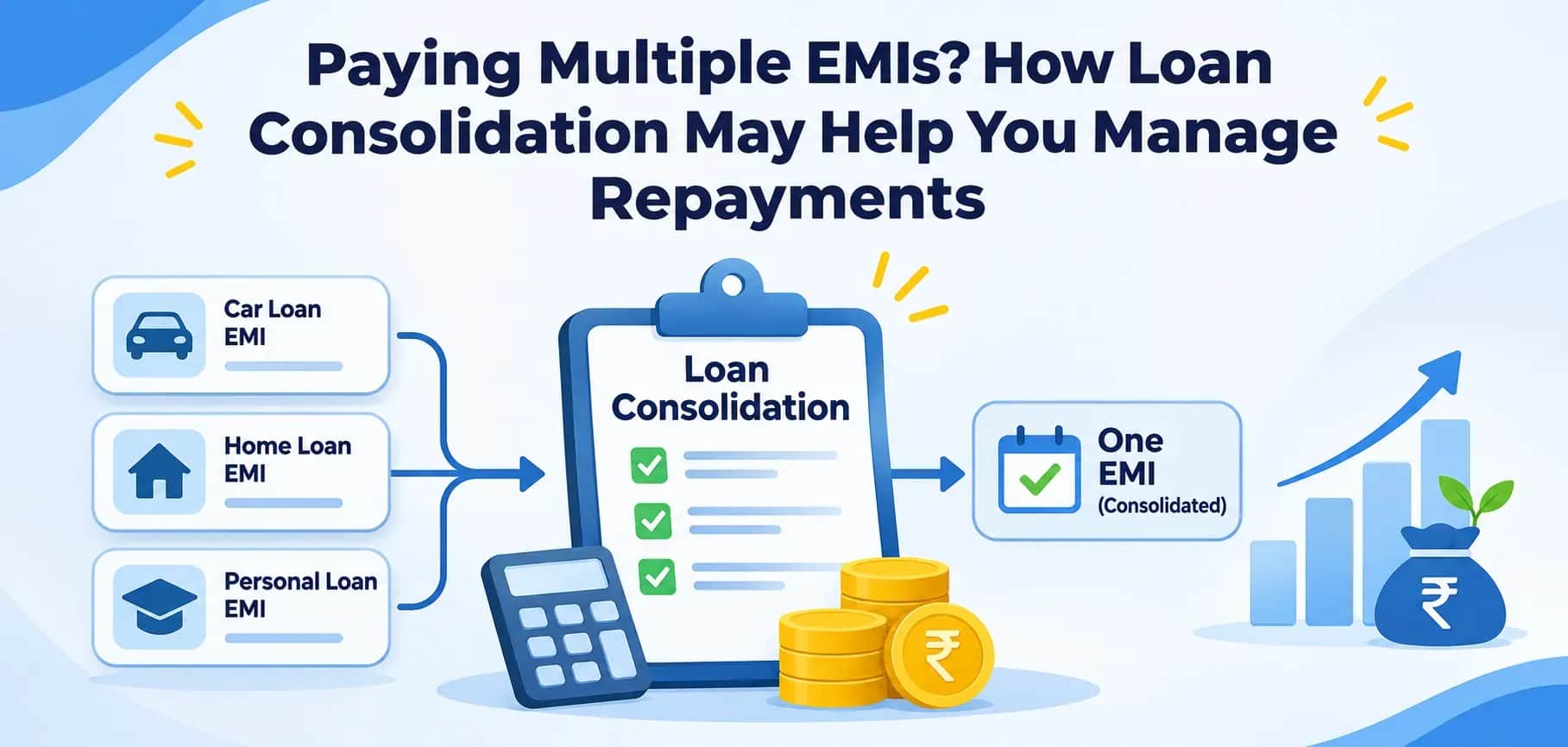
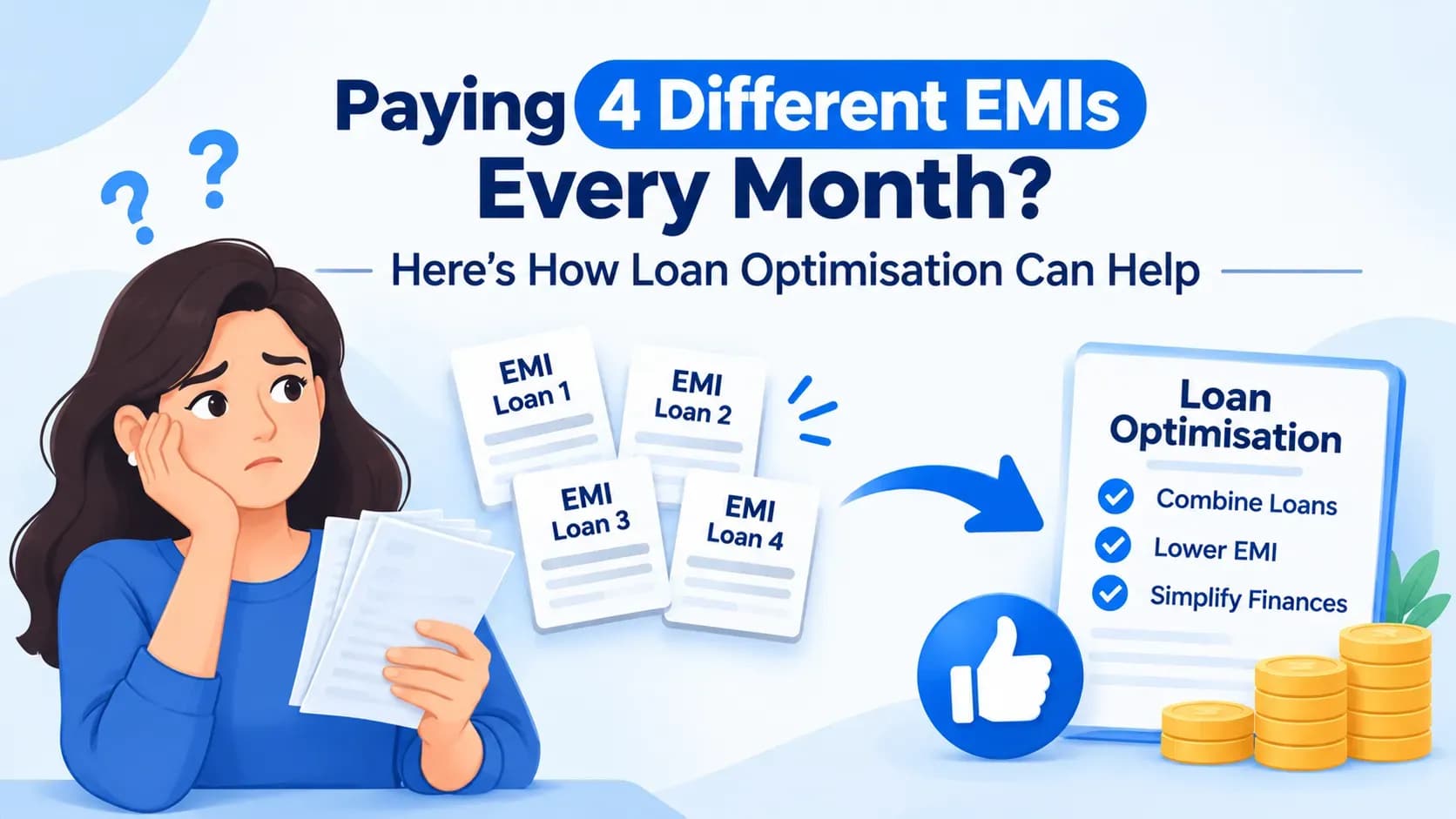
Managing multiple EMIs every month can make it difficult to keep track of repayments, interest rates and due dates. With several loans competing for a share of your monthly income, even routine financial planning can become challenging. Loan consolidation offers a way to combine multiple outstanding debts into a single repayment, potentially making debt management simpler and more organised. Understanding how it works can help you make informed decisions about managing your existing loan obligations.
Managing multiple EMIs involves more than making several monthly payments. Different interest rates, repayment schedules and loan obligations can make it difficult to maintain a balanced monthly budget. Some common challenges include:
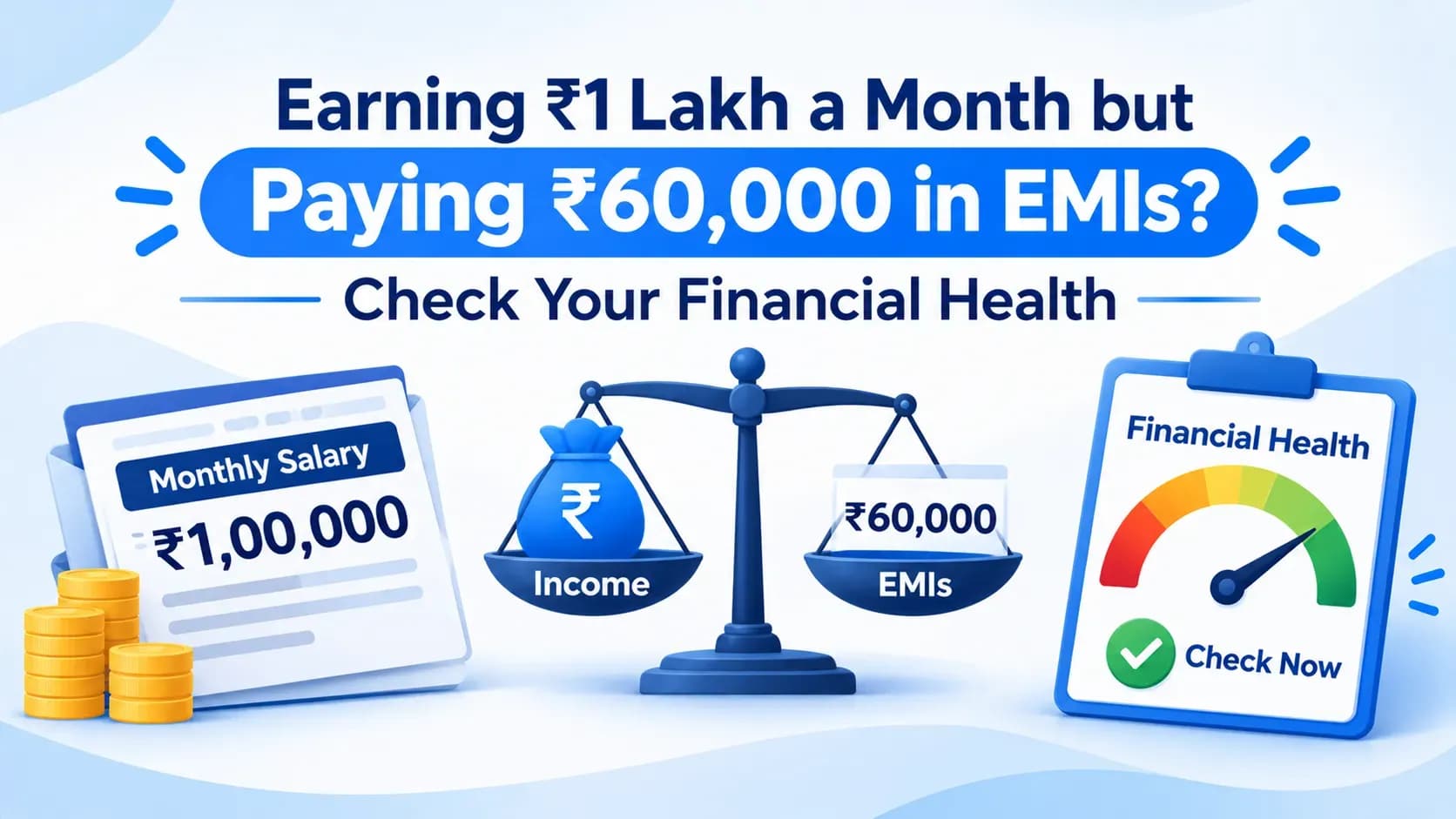
Multiple EMIs can take up a considerable portion of monthly income, leaving less money for daily expenses, savings and other financial needs.
Different loans may have different due dates, making repayment management complicated and increasing the chances of missing a payment.
Each loan may carry a different interest rate, making it difficult to assess the overall borrowing cost and manage repayment priorities.
When a large share of income goes towards EMIs, borrowers may have limited funds to handle unexpected expenses or work towards other financial goals.
Delayed or missed EMI payments can negatively affect a borrower's credit profile, making it important to maintain timely repayments.
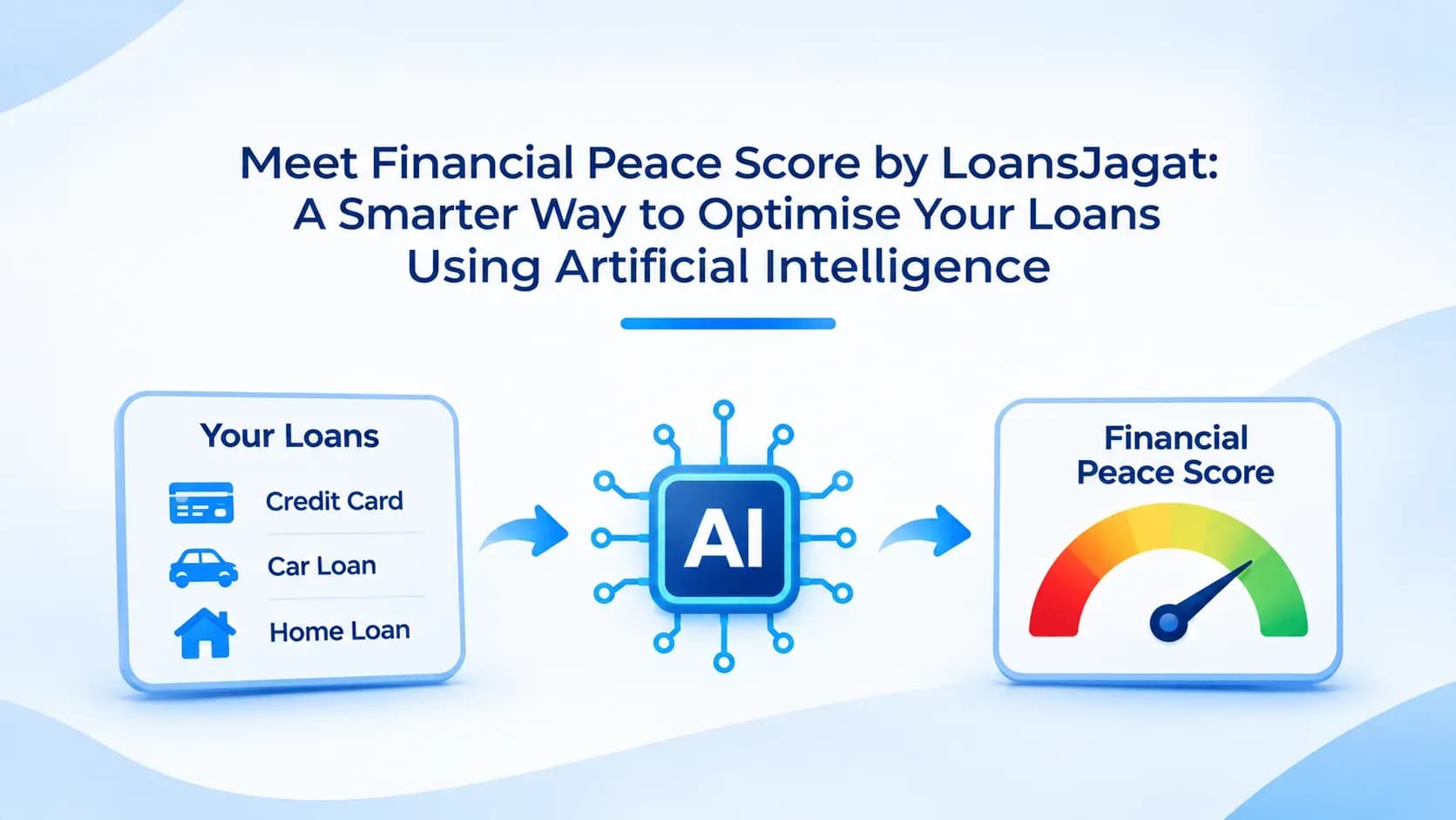
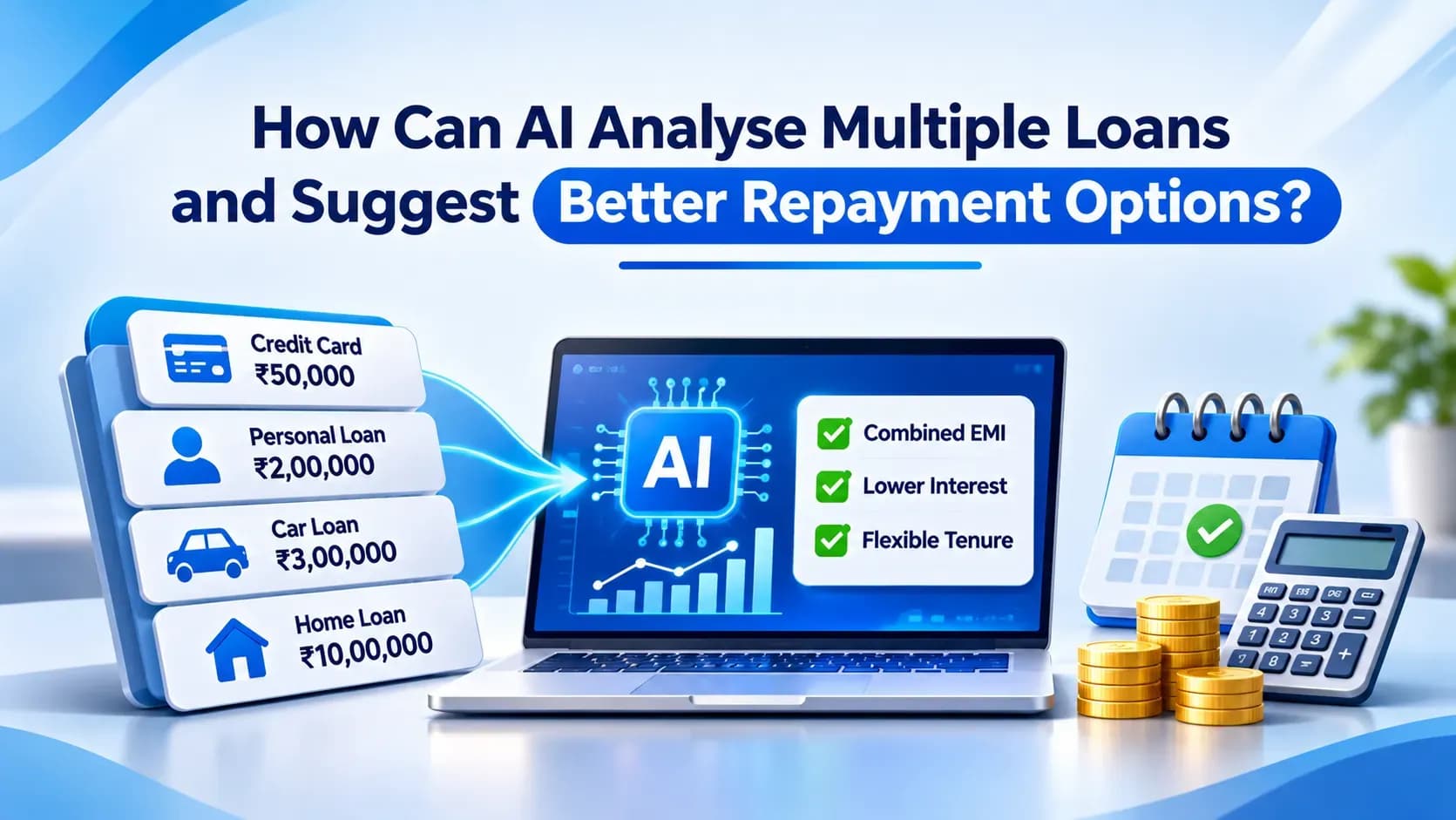
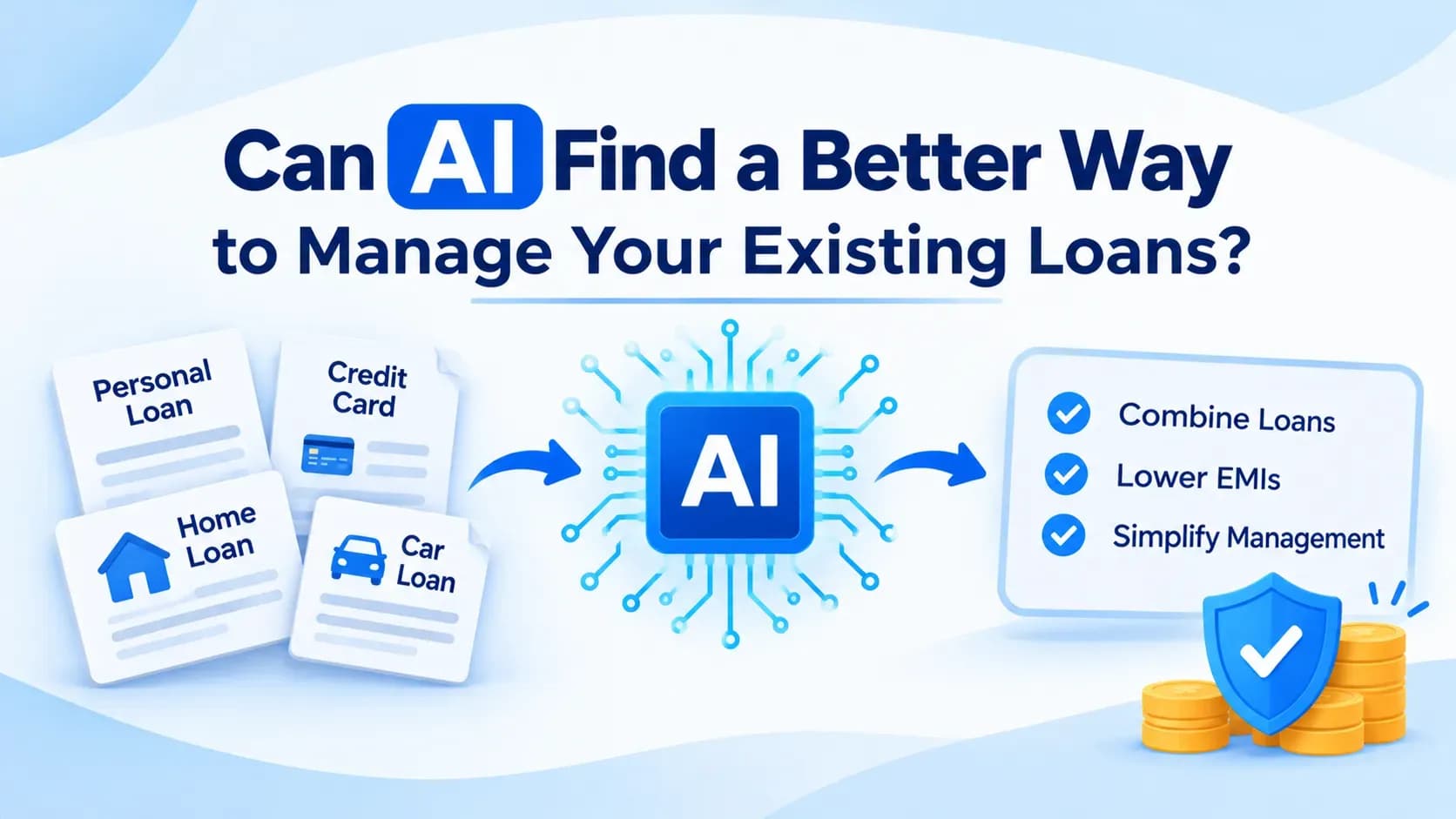
These challenges can make managing existing debts increasingly difficult and leave borrowers with limited financial flexibility. To explore ways to simplify repayments, borrowers can use LoansJagat's AI-powered Loan Optimisation platform. It assesses their financial position through the Financial Peace Score. It may help them explore suitable personal loan options for debt consolidation based on their financial situation and repayment capacity.

Managing several loan obligations can put pressure on monthly cash flow, particularly when repayment amounts and due dates vary. Loan consolidation can help ease this burden by restructuring existing debt into a repayment arrangement that better suits the borrower's financial capacity. Depending on the new loan's interest rate, fees and tenure, it may offer the following benefits:
A new loan with a lower interest rate or longer repayment tenure may reduce the monthly repayment burden.
Having one repayment date makes it easier to plan monthly expenses and keep track of financial commitments.
Lower monthly obligations may leave more room for household expenses, savings and other financial priorities.
Borrowers can monitor one outstanding loan balance instead of keeping track of several separate debts.
A simplified repayment schedule can make it easier to plan timely payments and avoid overlooking due dates.
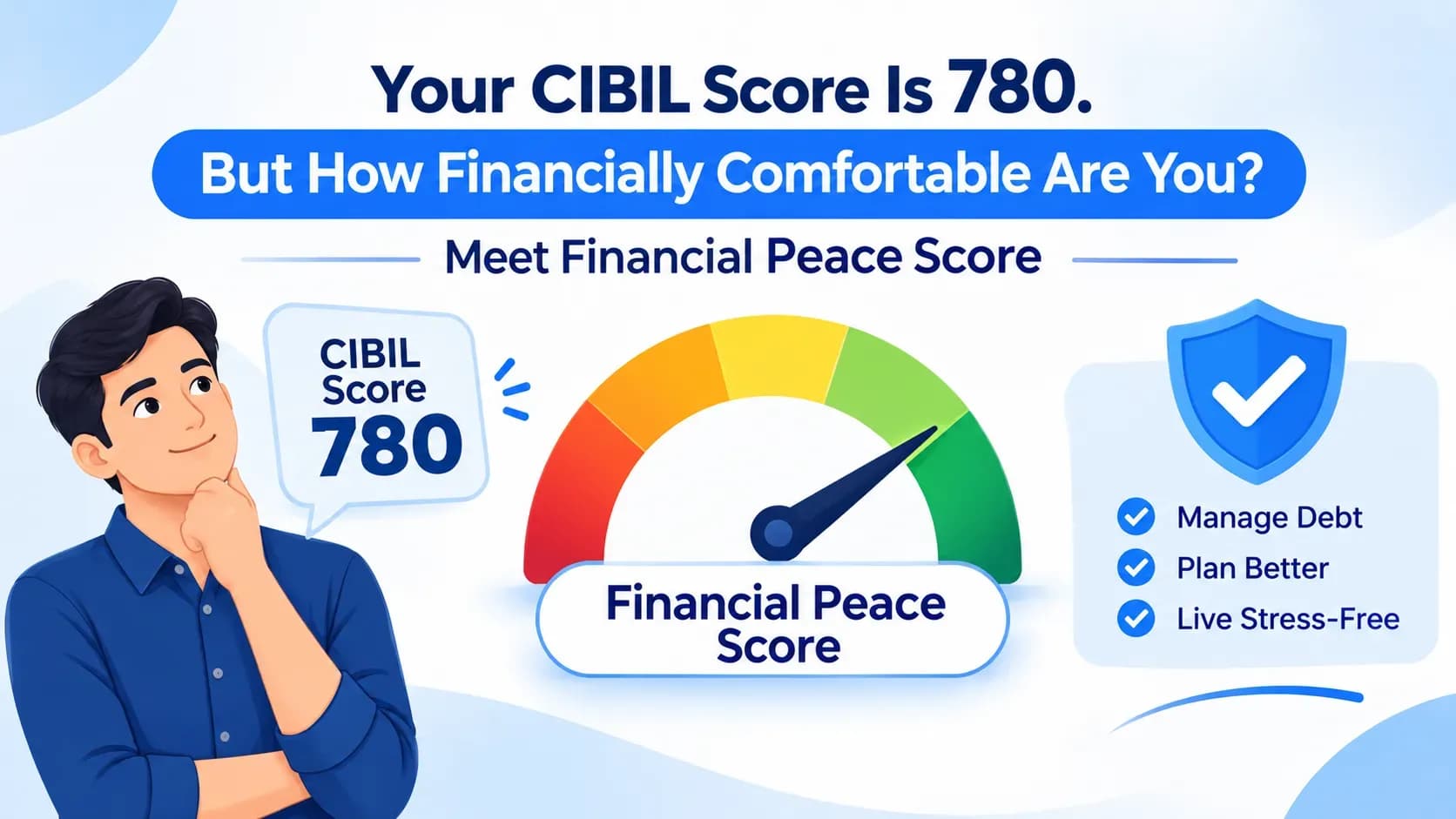
LoansJagat's Financial Peace Score helps borrowers assess their financial position by considering their existing loan burden, credit health, savings buffer and financial improvement efforts. These insights can help them identify areas that need attention and understand whether exploring a personal loan for debt consolidation could be a suitable step towards managing monthly repayments.
Loan consolidation can be useful for borrowers managing multiple debts, but it may not suit every financial situation. The decision depends on existing loan terms, repayment capacity, interest rates and the overall cost of the new loan.
You may consider loan consolidation in the following situations:
When you have several active loans and find it difficult to track different repayment schedules.
When the new loan offers a lower interest rate than your existing debts, potentially reducing borrowing costs.
When existing EMIs take up a significant portion of your income and a consolidated loan can offer a more manageable monthly payment.
When you want to organise multiple debt obligations under a single repayment schedule.
When you have a regular income and can comfortably manage the new loan's EMI throughout its tenure.
Loan consolidation may not be the right choice in the following situations:
When the new loan's interest rate, processing fees and other charges increase the total repayment amount.
When extending the loan period significantly increases the total interest payable, even if the monthly EMI is lower.
When your income is insufficient to manage the proposed repayment amount comfortably.
When your existing debts are close to repayment, taking a new loan may add unnecessary costs.
When you are likely to accumulate fresh debt after consolidating existing balances, increasing your overall financial burden.
Before making a decision, compare the new loan's interest rate, processing fees, tenure and total repayment amount with your existing obligations. Loan consolidation is useful only when the revised repayment arrangement supports your financial situation rather than adding to your debt burden.

Loan consolidation may influence your Financial Peace Score by changing how you manage existing debts. The Financial Peace Score assesses financial well-being across four key pillars: Multiple Loans, Credit Health, Savings Buffer, and Actions & Results. Consolidating debts may simplify repayment management and reduce the number of loan obligations. These changes may support improvements in relevant areas of your financial profile.
However, the impact depends on your financial behaviour after consolidation. Timely repayments, responsible credit use and adequate savings remain important.
Consolidating multiple loans requires careful planning and comparison. Borrowers should evaluate their existing debts before applying for a new loan. The following steps can help simplify the process.
Prepare a list of active loans and credit card dues. Include outstanding balances, interest rates, EMIs and repayment dates.
Add the outstanding balances to determine the total amount required for consolidation. This helps you estimate the loan amount needed.
Review your credit report and repayment history. Lenders consider these details when assessing personal loan applications.
Explore different lenders and compare interest rates, processing fees, repayment tenures and eligibility requirements. Choose an option that suits your repayment capacity.
Submit your application with the required income, identity and financial documents. The lender will assess your eligibility before approving the loan.
Once the loan is disbursed, use the funds to clear the selected outstanding debts. Confirm that the previous loan accounts are closed or dues are fully settled.
Follow the revised repayment schedule and pay EMIs on time. Avoid accumulating additional debt while repaying the consolidated loan.
Before choosing a consolidation loan, carefully compare its interest rate, processing fees and total repayment amount. Ensure the new EMI fits your monthly budget without affecting essential expenses or savings. A well-planned consolidation can simplify debt management and help you maintain a more organised repayment schedule.
Loan consolidation can simplify repayment management, but it also involves certain risks. Borrowers should understand these drawbacks before taking a new loan to repay existing debts.
A longer repayment tenure may increase the total interest payable, even if the monthly EMI decreases.
The new loan may involve processing fees, documentation charges and other costs. These expenses can increase the overall borrowing cost.
Lenders assess income, credit history and repayment capacity before approving applications. Borrowers with high existing debt or poor credit profiles may face rejection.
Some existing loans may offer favourable interest rates or repayment terms. Replacing them with a new loan could mean losing these benefits.
Loan consolidation works best when supported by disciplined financial habits. Avoid taking on fresh debt after clearing existing dues and maintain timely repayments. This can help prevent debt from building up again and support long-term financial stability.
Managing multiple EMIs can put pressure on monthly finances through higher repayment commitments, different due dates and varying interest rates. Loan consolidation can simplify debt management by bringing eligible debts under one repayment arrangement. It may also make budgeting and payment tracking easier, depending on the new loan's terms. However, borrowers should weigh the potential benefits against processing fees, total interest costs and longer repayment periods. Ultimately, the right approach depends on individual financial circumstances, repayment capacity and long-term financial goals.
What types of loans can be consolidated?
Borrowers may consolidate personal loans, credit card dues and other eligible outstanding debts, depending on the lender's terms.
Does loan consolidation reduce the total debt amount?
No, loan consolidation does not automatically reduce the outstanding debt. It restructures existing repayment obligations into a new loan.
Can I consolidate loans from different lenders?
Yes, borrowers can explore consolidating debts from multiple lenders through a new personal loan, subject to eligibility and lender approval.
Does loan consolidation affect my credit score?
Applying for a new loan may result in a hard enquiry. Repayment behaviour and credit utilisation can also influence your credit profile.
Is loan consolidation suitable for borrowers with low credit scores?
Borrowers with low credit scores may find it difficult to qualify for suitable consolidation loans. Approval depends on the lender's eligibility criteria and assessment.
Can I consolidate loans without changing my lender?
Loan consolidation generally involves taking a new loan to repay existing debts. Whether the same lender offers such an arrangement depends on its policies.
Does loan consolidation reduce the number of EMIs?
When all selected eligible debts are repaid through a single new loan, borrowers generally have one EMI to manage for the consolidated amount.
Can I consolidate loans if I have a limited income?
Yes, you can explore available options, but lenders assess your income, existing obligations and repayment capacity before approving a loan.
How long does loan consolidation take?
The timeline depends on the lender's application process, document verification, approval and loan disbursement procedures.
Can I consolidate personal loans and credit card dues together?
Borrowers may be able to consolidate personal loans and credit card dues through a new personal loan, subject to the lender's eligibility criteria and policies.
Start your journey today
Apply Now*T&C apply