Check AI Loan Optimisation Plans to Reduce Your EMI

Disclaimer: The information published on LoansJagat is intended for general informational and educational purposes only and should not be considered financial, legal, or investment advice. Interest rates, loan terms, statistics, and other data may change over time and may vary by lender or source. Please verify the latest information and consult a qualified financial advisor or the respective Bank/NBFC before making any financial decisions.
Subscribe Now
About the author

Ananya Shrivastava is a Content Writer specialising in finance-focused news, blogs, and long-form articles on Indian markets, RBI policy, personal finance, and lending. She has authored over 450 blogs and 250 news pieces, combining technical knowledge with rigorous research to simplify complex financial concepts into clear, engaging content. With a marketing-driven lens and sharp editorial judgment, she consistently achieves top Google rankings while ensuring every claim is backed by verified data.
Related Blog Post
Simplify All Your Loans Into One Affordable EMI

Customers Served

Debt Consolidated

1200+ Reviews

Locations in India
Club all Loans & Credit Card Bills into Single EMI

Quick Apply Loan
Consolidate your debts into one easy EMI.

Takes less than 2 minutes. No paperwork.

10 Lakhs+
Trusted Customers

2000 Cr+
Loans Disbursed

4.7/5
Google Reviews

50+
Banks & NBFCs Offers
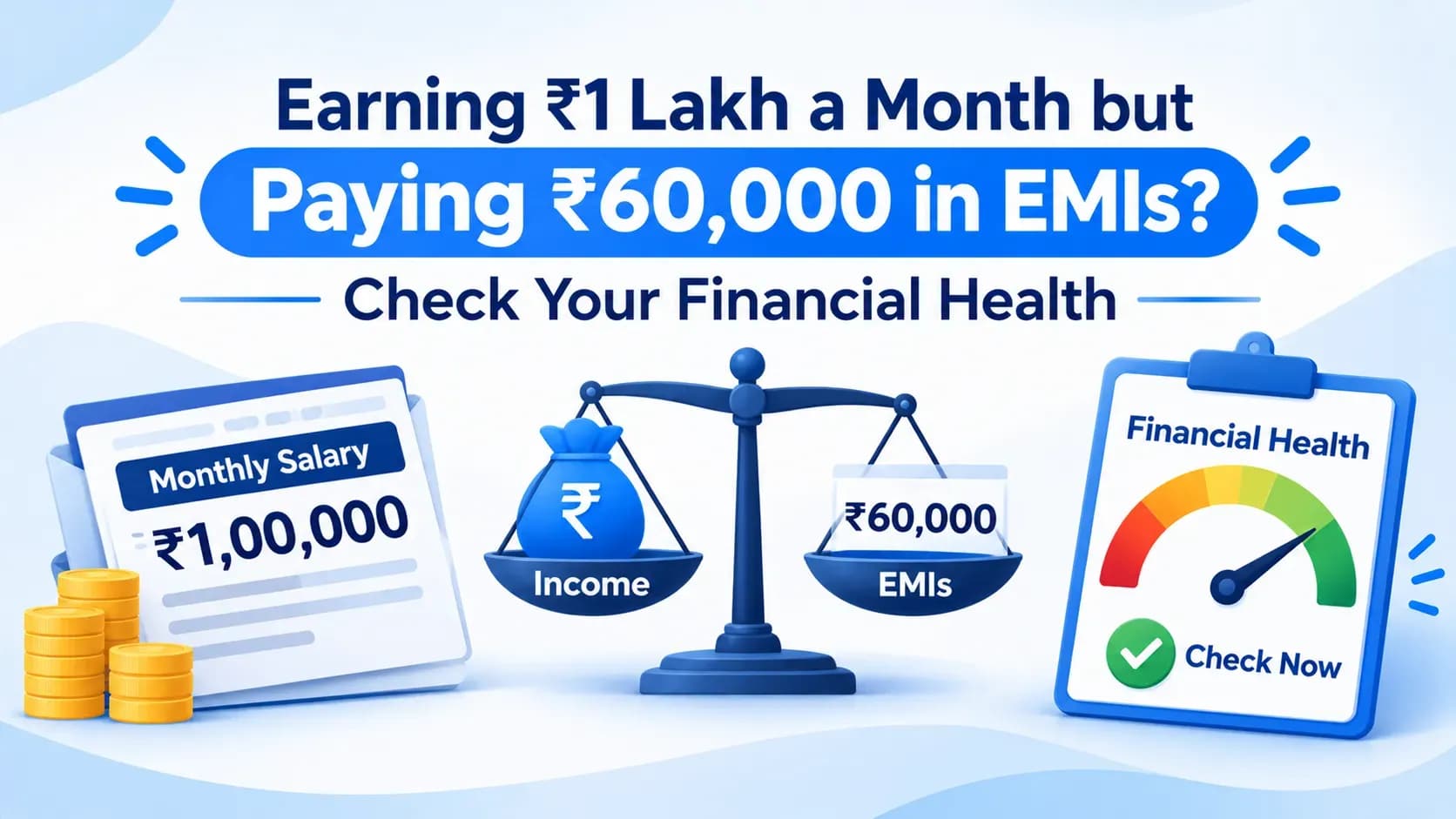
Your salary gets credited, but more than half of it goes towards loan repayments. By the time you account for rent, groceries, bills and other expenses, there may be very little left for savings or unexpected costs. If your EMIs consume more than 50% of your monthly income, it is worth reviewing your financial commitments. The first step is not necessarily taking another loan. Instead, understand where your money goes, assess your existing loans and explore whether your repayment arrangements can be managed better.
Key Takeaways
When more than half your monthly income goes towards EMIs, a significant portion of your earnings is already committed to repayments.
Consider this example:
The remaining ₹45,000 must cover rent, groceries, utilities, transport, insurance, savings and other expenses.
Whether this arrangement is manageable depends on your household responsibilities, living costs, savings and other financial commitments. However, a high EMI share can make it harder to handle unexpected expenses or plan for future goals.
Lenders also assess existing repayment obligations when reviewing new loan applications. Their eligibility criteria differ based on the lender, loan type and borrower profile.
A high EMI commitment calls for a closer look at your finances. Instead of making an immediate borrowing decision, follow these steps.
Start by understanding how much money you need to manage your regular expenses. List your monthly spending under categories such as:
For example, if you earn ₹1 lakh and pay ₹55,000 in EMIs, you have ₹45,000 remaining. If essential expenses account for ₹35,000, only ₹10,000 remains for savings and other needs.
This exercise helps you understand whether your current repayment commitments leave enough room for financial priorities.
Do not look at your total EMI amount alone. Review each loan separately to understand its terms. Prepare a list containing:
This information can help you identify which loans may be worth reviewing.
For example, if one loan has a relatively high interest rate and a substantial outstanding balance, you may explore whether refinancing is available on more suitable terms.
An additional personal loan may appear to offer immediate financial relief. However, it also introduces another repayment commitment. Before applying, calculate how the new EMI would affect your monthly budget. Consider whether you can manage it alongside existing repayments, essential expenses and savings.
If you need funds for an urgent expense, compare available options carefully. Avoid borrowing more than you can reasonably repay.
If your current EMIs leave limited financial flexibility, reviewing your existing loan arrangements may be more useful than adding another repayment. Depending on your financial profile and lender eligibility, you can explore the following options.
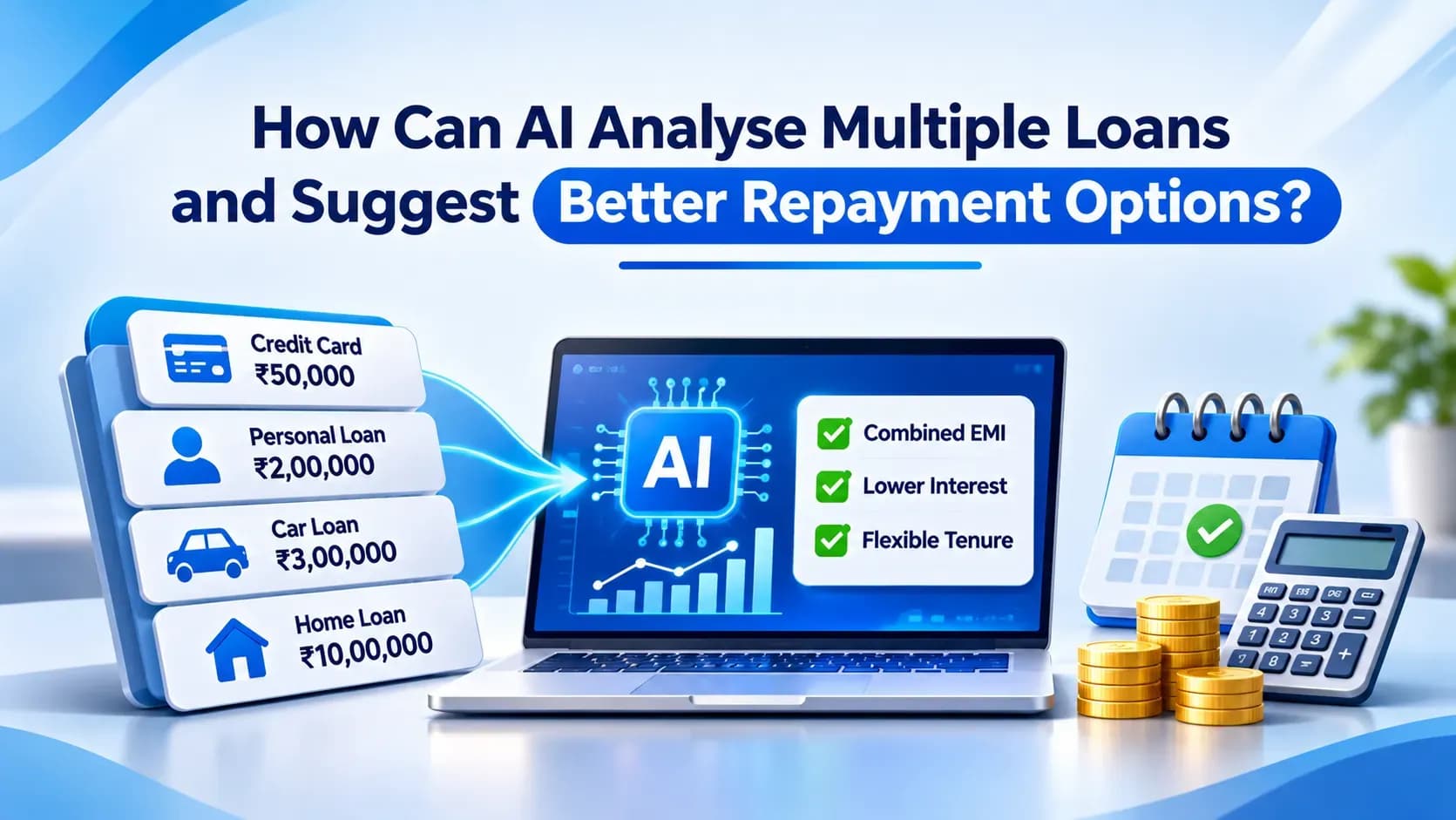
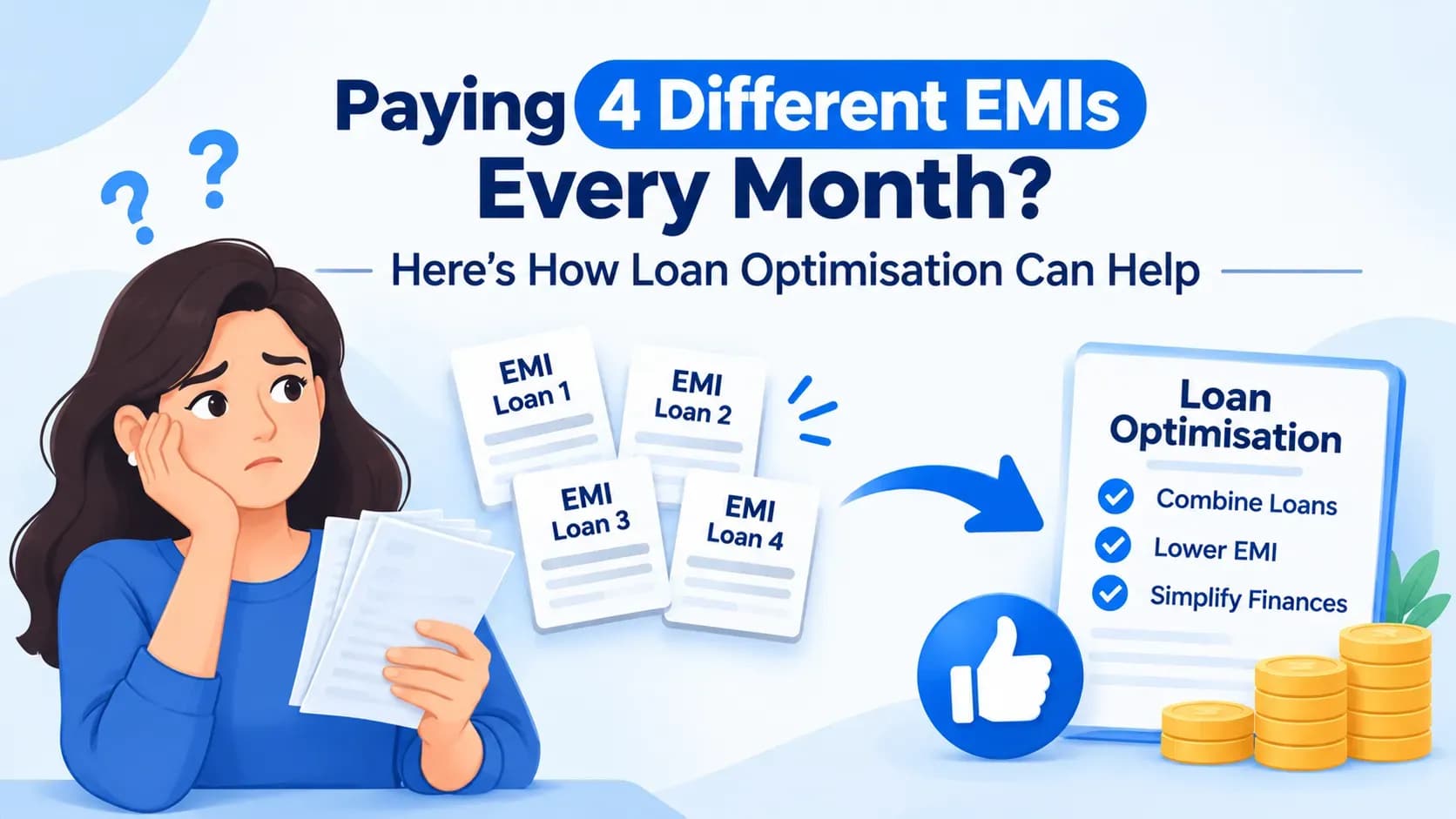
If you have multiple personal loans or credit card dues, consolidation may allow you to combine eligible outstanding amounts into one loan. This can make repayment dates easier to manage and may change your monthly EMI. However, compare the interest rate, processing fees, tenure and total repayment amount before proceeding.
Refinancing involves replacing an existing loan with a new loan that may offer more suitable terms. If your financial profile has improved or other financing options are available, you can compare offers from different lenders. Account for foreclosure charges, processing fees and the remaining interest on your current loan.
If your current EMI is difficult to manage, contact your lender to discuss possible repayment changes. Depending on its policies and approval, the lender may consider changes to the repayment schedule or tenure. Understand how restructuring affects your total interest payable and other loan conditions. Not every option will suit every borrower. Compare the complete financial impact before making a decision.
When most of your salary goes towards repayments, even a small unexpected expense can disrupt your monthly budget.
Once you have reviewed your expenses and loan commitments, work towards setting aside money for emergencies. Start with an amount that fits your current budget and increase it as your financial flexibility improves. Avoid using all your available savings to make an early loan repayment without considering your emergency needs.
Your EMI-to-income ratio gives you an idea of how much income goes towards loan repayments. However, financial wellness involves more than this one calculation. Your CIBIL score, for instance, reflects your credit history and repayment behaviour. It does not fully explain how comfortably you manage your EMIs alongside expenses, savings and other financial priorities.
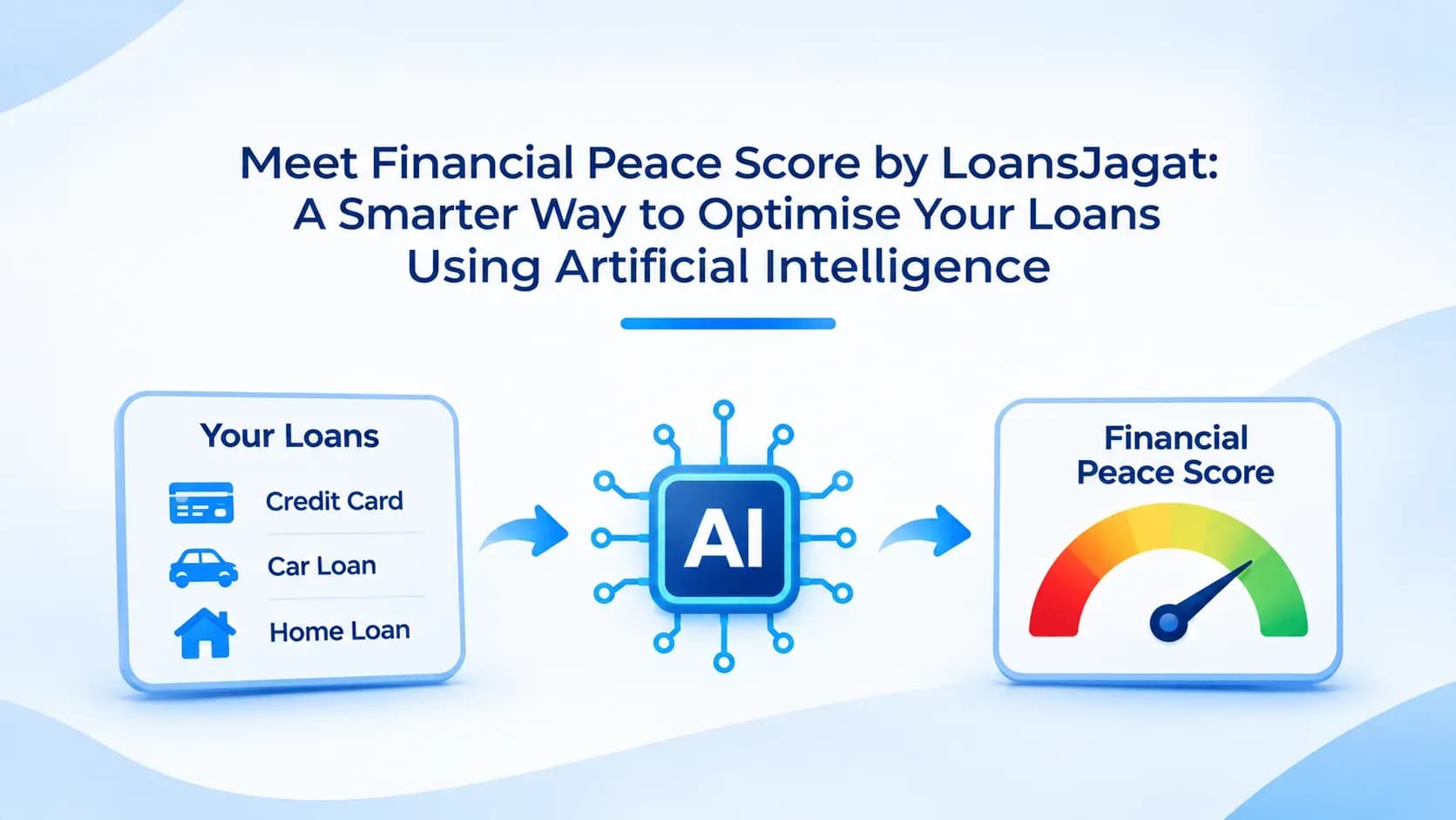
LoansJagat's Financial Peace Score offers a broader assessment of your financial position. After checking your score, you can immediately view personalised loan optimisation plans based on your financial profile.
Its AI-powered platform helps identify potential opportunities to manage existing loans. These may include:
LoansJagat also helps you compare available offers from 50+ banks and NBFCs. You can review the applicable interest rates, repayment periods and other terms before deciding whether an option suits your requirements.
The availability of options and final loan terms depend on lender policies and eligibility. A lower EMI is not guaranteed, and you should compare the total repayment cost before proceeding.
When repayments consume a large share of your salary, certain decisions can make your financial position more difficult. Keep these points in mind:
When more than 50% of your salary goes towards EMIs, it is important to understand how your existing loans affect your monthly financial flexibility. Review your expenses, check outstanding balances and avoid adding another repayment without assessing your budget.
Depending on your circumstances, consolidation, refinancing, or restructuring may offer ways to review your current loan arrangements. Financial Peace Score by LoansJagat helps you look beyond your CIBIL score, understand your broader financial wellness and explore personalised AI-powered loan optimisation plans.
It may leave limited room for household expenses, savings and unexpected costs. Whether it is manageable depends on your income, essential expenses, savings and other financial responsibilities.
Start by reviewing your monthly expenses and outstanding loans. Depending on your eligibility, you may explore consolidation, refinancing or restructuring to review your repayment arrangements.
Consolidation may change your monthly repayment amount by combining eligible outstanding dues into one loan. However, the outcome depends on the new interest rate, tenure, charges and lender approval.
Consider the outstanding balance, interest rate, remaining tenure and foreclosure charges before closing a loan. Also ensure that you retain enough savings for essential expenses and emergencies.
Lenders consider existing financial obligations when assessing repayment capacity. A high EMI commitment may affect eligibility, but the final decision depends on the lender's criteria and your overall financial profile.
Financial Peace Score by LoansJagat provides a broader view of your financial wellness and displays personalised AI-powered loan optimisation plans. These may help you explore consolidation, refinancing, restructuring and other suitable options.
Start your journey today
Apply Now*T&C apply