Check AI Loan Optimisation Plans to Reduce Your EMI

Disclaimer: The information published on LoansJagat is intended for general informational and educational purposes only and should not be considered financial, legal, or investment advice. Interest rates, loan terms, statistics, and other data may change over time and may vary by lender or source. Please verify the latest information and consult a qualified financial advisor or the respective Bank/NBFC before making any financial decisions.
Subscribe Now
About the author

Diwaker Sharma is a finance content specialist with expertise in banking, personal finance, credit cards, loans, fintech, and financial news. An MBA in Finance with prior experience in the banking sector, he combines industry knowledge with SEO and content strategy to produce insightful, research-backed articles. Passionate about making finance accessible, he transforms complex financial concepts into clear, engaging content that empowers readers to make smarter financial decisions with confidence.
Related Blog Post
Simplify All Your Loans Into One Affordable EMI

Customers Served

Debt Consolidated

1200+ Reviews

Locations in India
Club all Loans & Credit Card Bills into Single EMI

Quick Apply Loan
Consolidate your debts into one easy EMI.

Takes less than 2 minutes. No paperwork.

10 Lakhs+
Trusted Customers

2000 Cr+
Loans Disbursed

4.7/5
Google Reviews

50+
Banks & NBFCs Offers
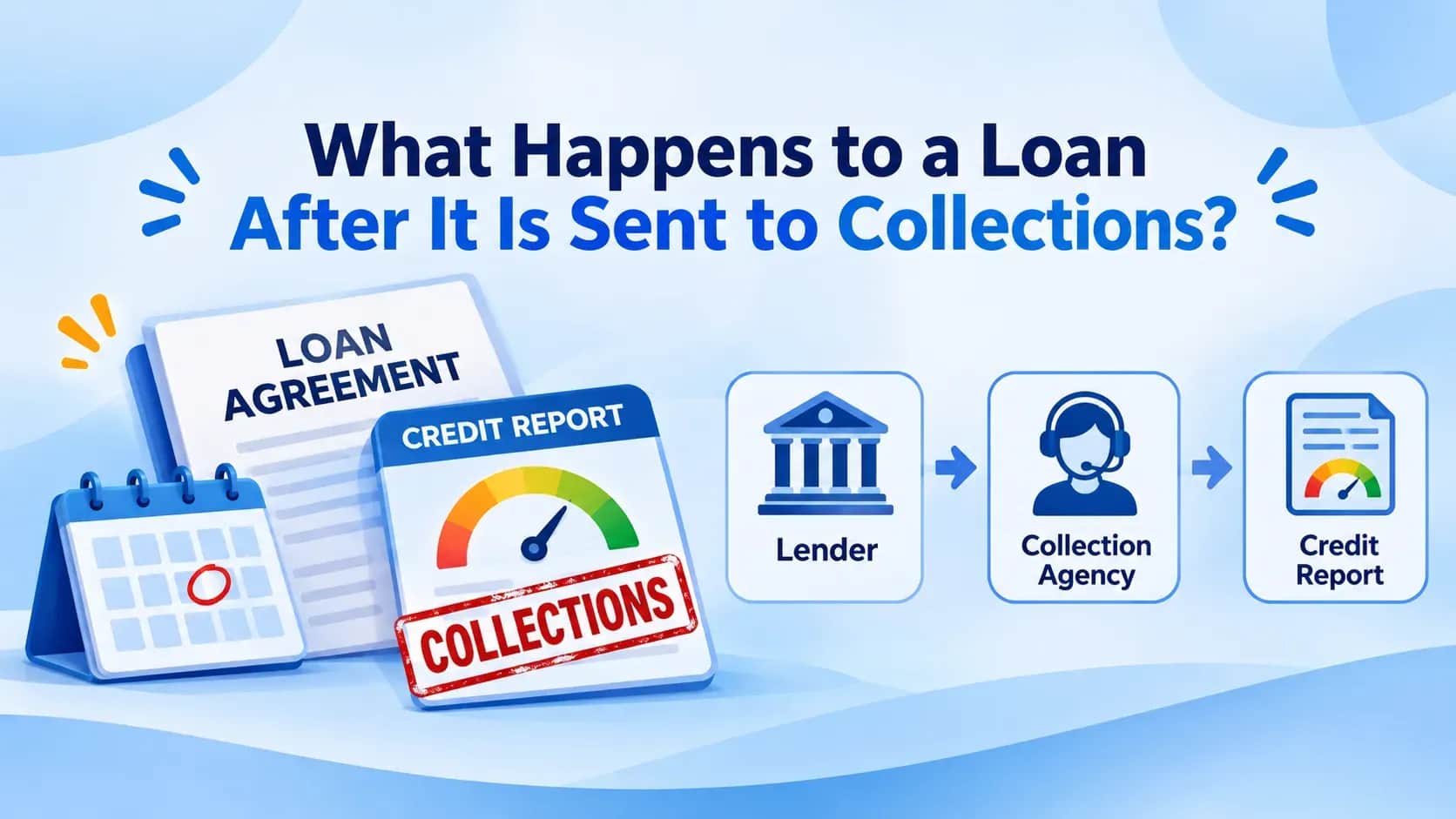
When a borrower misses loan repayments for an extended period, the lender may refer the account to a recovery agency for collection. This means the lender has started additional recovery efforts to collect the overdue amount. The borrower may receive calls, messages or visits from authorised recovery agents requesting payment.
However, sending a loan to collections does not mean the lender has cancelled the loan or waived the outstanding amount. Interest and applicable charges may continue to accumulate, and missed payments can affect the borrower's credit score. Understanding the collection process and your rights can help you respond appropriately.
Key Takeaways
When a loan is sent to collections, the lender assigns the recovery of overdue payments to its internal collection team or an authorised third-party recovery agency.
This generally happens when a borrower has missed payments and the lender's regular follow-ups have not resulted in repayment. The lender may ask the agency to contact the borrower, explain the outstanding amount and request payment.
The loan does not automatically transfer to the recovery agency. In many cases, the original bank or NBFC continues to own the loan and remains responsible for the recovery agent's conduct.
The exact process depends on the lender, loan agreement and duration of default. However, borrowers may experience the following stages.
The lender or its authorised recovery agency may contact you through phone calls, SMS, emails or visits to request repayment.
The agent may explain the overdue amount, payment deadline and available repayment options. If someone contacts you claiming to represent the lender, verify their identity and authorisation before sharing information or making a payment.
Missing EMIs can result in additional interest and applicable charges under the loan agreement. Therefore, the outstanding amount may increase while the account remains unpaid.
Ask the lender for an updated loan statement showing:
Review the statement to understand how the lender has calculated the total amount due.
Lenders share repayment information with credit bureaus such as TransUnion CIBIL, Experian, Equifax and CRIF High Mark.
If you miss EMIs, the lender may report the delayed payments and overdue amount. These records can negatively affect your credit score and repayment history.
A prolonged default may also result in the account being classified as a non-performing asset (NPA), depending on the loan type and applicable regulatory rules. The account status and payment history can influence how future lenders assess your credit application.
If the outstanding amount remains unpaid, the lender may consider legal recovery options under the loan agreement and applicable laws.
For secured loans, such as home or vehicle loans, the lender may initiate action against the pledged asset by following the required legal procedure. For unsecured loans, the lender may pursue appropriate legal remedies to recover the dues.
Sending a loan to collections does not automatically mean that legal proceedings have started. The lender must follow the applicable process before taking further action.
A loan may eventually be written off in the lender's books if it meets the applicable accounting and regulatory requirements. However, a write-off does not mean the borrower is free from repayment obligations.
The lender can continue recovery efforts even after writing off the loan. The outstanding amount may also continue to appear in the borrower's credit report with the relevant account status.
A write-off and a settlement are different. In a settlement, the lender agrees to accept an amount lower than the total outstanding dues. Such an account may be reported as Settled rather than Closed, which can affect future credit assessments.
Borrowers have certain protections during the loan recovery process. RBI guidelines require regulated lenders and their recovery agents to follow fair practices.
Recovery agents must not:
The lender remains responsible for the conduct of its appointed recovery agents. If an agent uses unfair recovery practices, you can complain to the lender through its grievance redressal mechanism.
If your loan has been referred to a recovery agency, take the following steps:
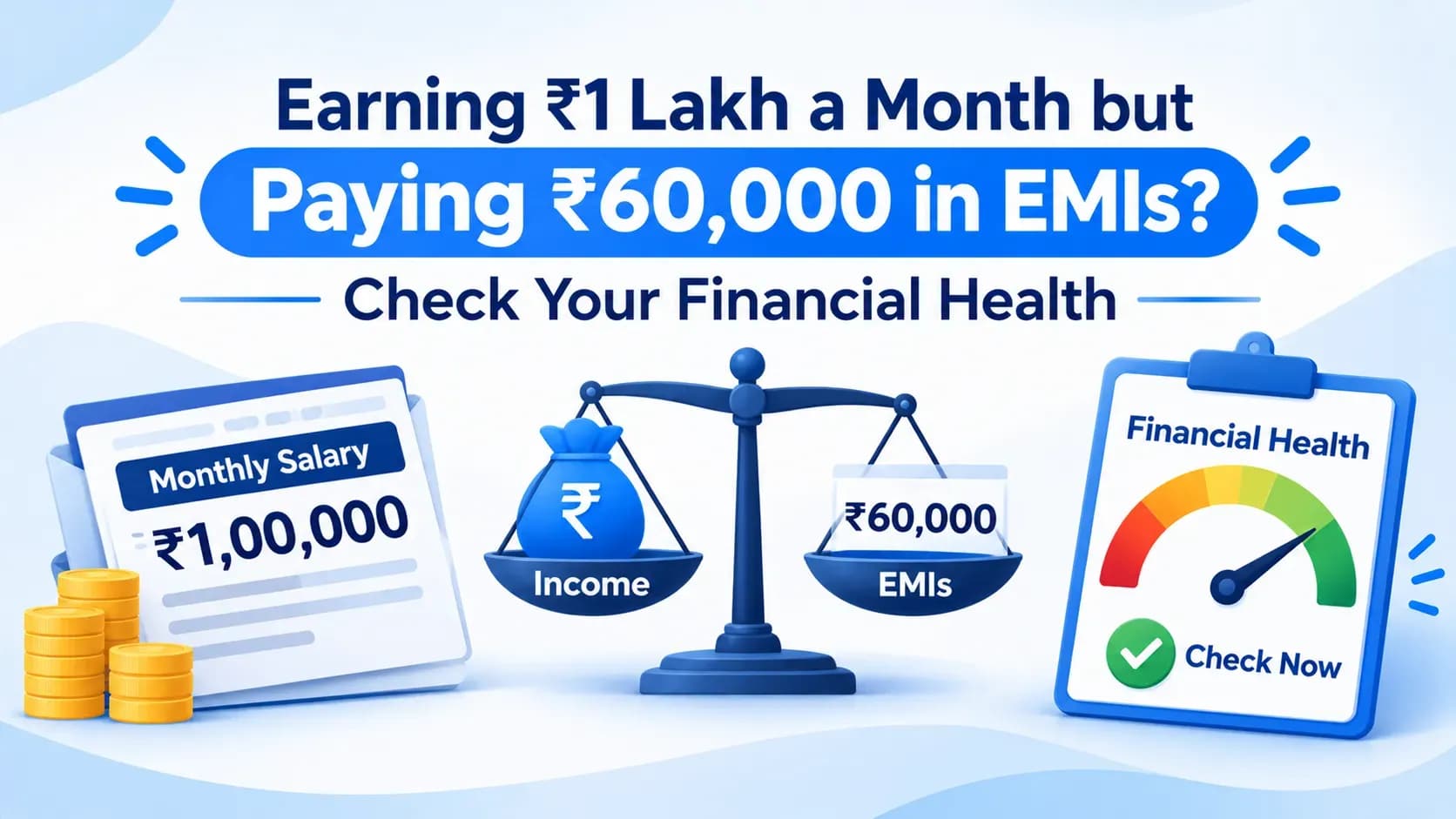
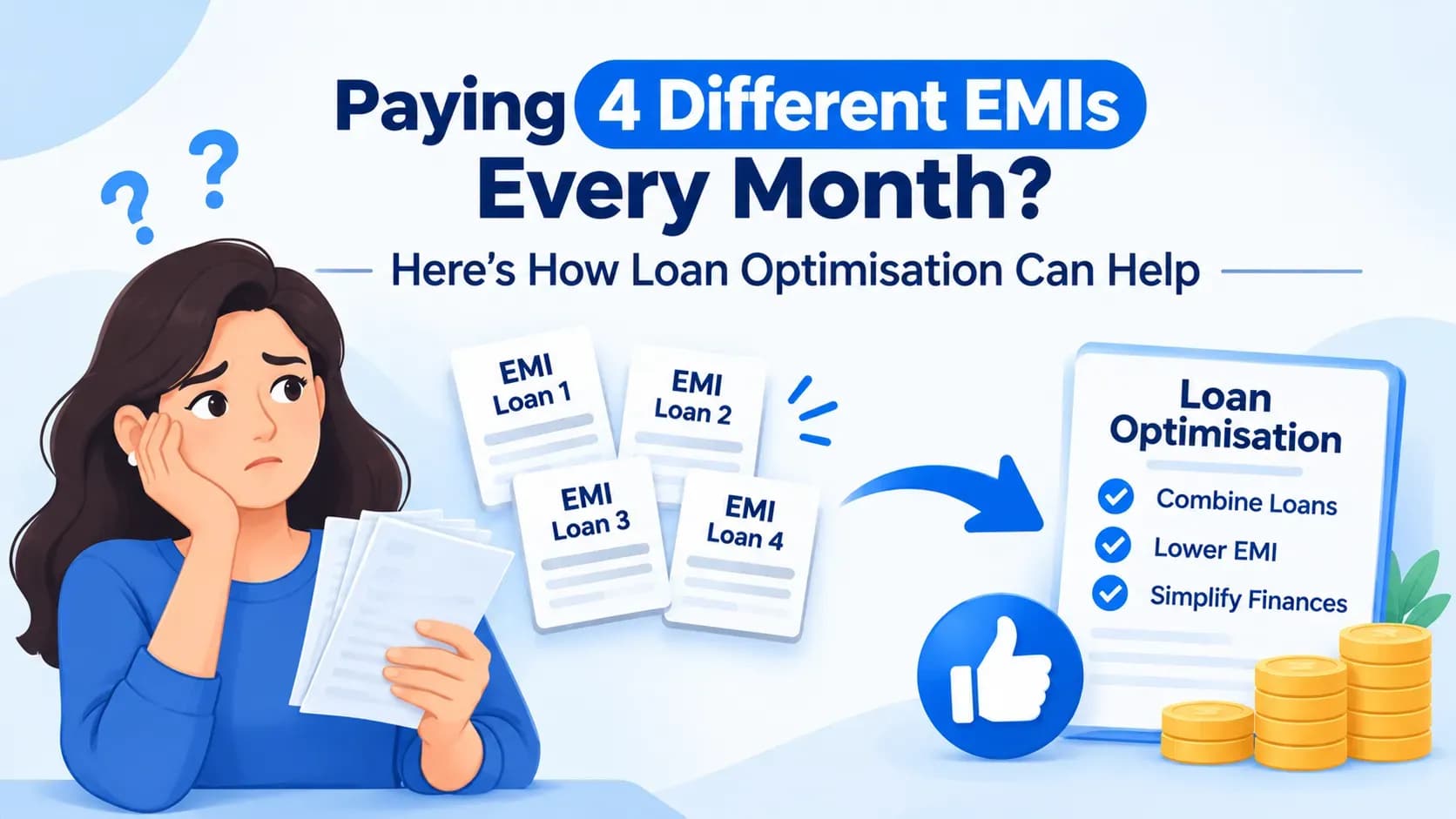
If you are finding it difficult to manage multiple EMIs, reviewing your existing loan commitments may help you understand your options. LoansJagat helps borrowers explore loan optimisation options from banks and NBFCs.
If you believe the outstanding amount is incorrect or the recovery process involves harassment, raise a written complaint with the lender. If the grievance remains unresolved, you may approach the RBI through its Complaint Management System, subject to the Integrated Ombudsman Scheme's eligibility requirements.
When a loan is sent to collections, the lender begins additional efforts to recover overdue payments, often through an authorised recovery agency. Applicable charges may increase the outstanding amount, while missed payments can affect your credit history.
Do not ignore collection notices or make payments without verifying the agency and outstanding amount. Contact your lender, understand your repayment options and maintain written records of every agreement.
If multiple loan EMIs are becoming difficult to manage, debt consolidation may be worth exploring. With LoansJagat, compare options from banks and NBFCs to see whether combining multiple repayments into one EMI could make repayment easier.
Missed payments and overdue amounts reported by the lender can negatively affect your credit score. The impact depends on your repayment history and overall credit profile.
A recovery agency cannot independently take legal action merely because the loan has been assigned to it for collection. The lender may pursue appropriate legal remedies under the loan agreement and applicable laws.
You can contact the lender to discuss repayment arrangements or settlement options. Get the agreed terms in writing before making any payment.
A write-off is an accounting action taken by the lender. The borrower can remain liable for the outstanding amount, and recovery efforts may continue.
Record the details of the incident and submit a written complaint to the lender's grievance redressal officer. If the issue remains unresolved, you may approach the RBI through its Complaint Management System, where eligible.
Start your journey today
Apply Now*T&C apply