By continuing, you agree to LoansJagat's Credit Report Terms of Use, Terms and Conditions, Privacy Policy, and authorize contact via Call, SMS, Email, or WhatsApp
Disclaimer: The information published on LoansJagat is intended for general informational and educational purposes only and should not be considered financial, legal, or investment advice. Interest rates, loan terms, statistics, and other data may change over time and may vary by lender or source. Please verify the latest information and consult a qualified financial advisor or the respective Bank/NBFC before making any financial decisions.
Subscribe Now
About the author

LoansJagat Team
‘Simplify Finance for Everyone.’ This is the common goal of our team, as we try to explain any topic with relatable examples. From personal to business finance, managing EMIs to becoming debt-free, we do extensive research on each and every parameter, so you don’t have to. Scroll up and have a look at what 15+ years of experience in the BFSI sector looks like.
Related Blog Post
Simplify All Your Loans Into One Affordable EMI

Customers Served

Debt Consolidated

1200+ Reviews

Locations in India
Club all Loans & Credit Card Bills into Single EMI

Quick Apply Loan
Consolidate your debts into one easy EMI.

Takes less than 2 minutes. No paperwork.

10 Lakhs+
Trusted Customers

2000 Cr+
Loans Disbursed

4.7/5
Google Reviews

50+
Banks & NBFCs Offers
Other services mentioned in this article
Key Takeaways
You think about the last time you stood at a kirana shop and scanned a QR code. You probably used UPI.
But do you know? that the same scanner is being powered by a credit card underneath, which gives you rewards, a credit period, and cashback.
India is now one of the world's most advanced real-time payments markets, with UPI accounting for the bulk of retail transaction volumes.
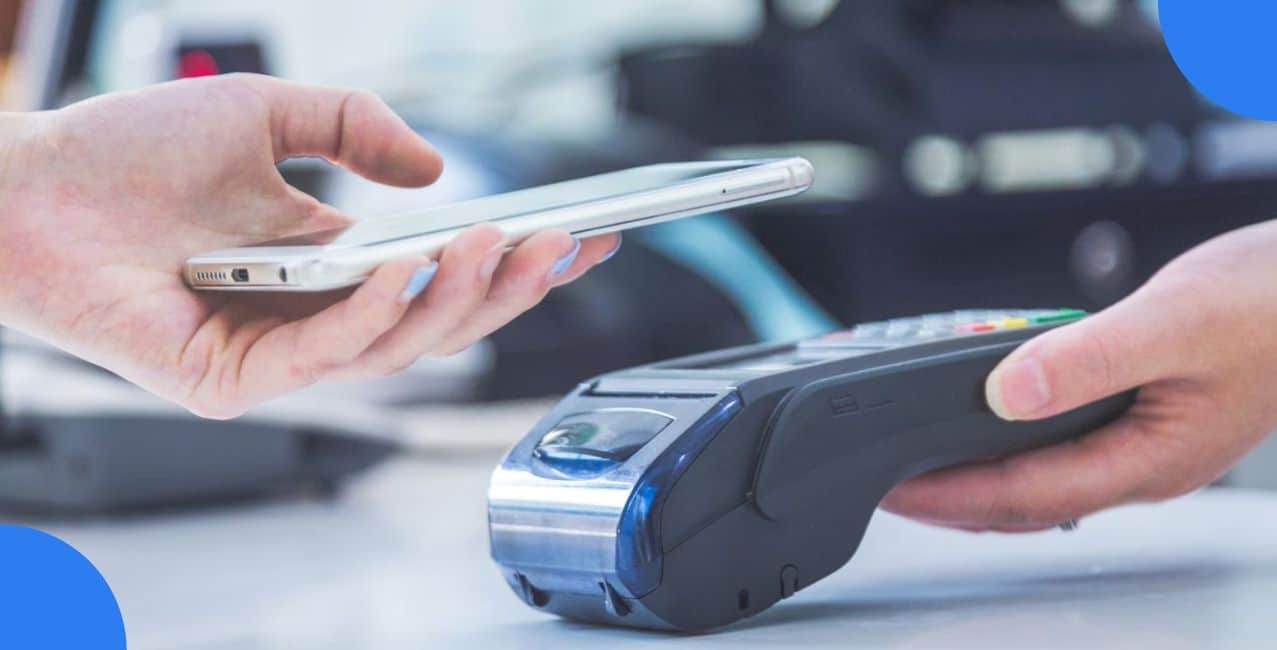
Everyday life is now “scan, tap, swipe” UPI and QR for daily essentials, cards for high-value spends, and online payment gateways for everything from travel to education.
Cybersecurity remains a constant worry due to fraud and data breaches stemming from weaknesses in third-party apps and payment infrastructure.
Users of UPI-linked RuPay cards now make approximately 40 transactions per month, eight times more than typical credit card users.
This approach reaches India's massive UPI user base of over 300 million people and 50 million merchants, bringing credit access to places where traditional credit card machines never existed.
According to RBI and NPCI data, digital payments now account for nearly 99.8% of all transactions in India by volume.
About 16% of all credit card spending now comes through the RuPay network, with nearly half of these transactions made via UPI turning everyday spends at grocery stores, fuel stations, and local shops into credit-earning opportunities.
From a merchant and fintech perspective, 2025 was about adoption; 2026 is about optimisation, orchestration, and monetisation.
Experts point to the mainstreaming of credit on UPI and tighter integration between UPI and embedded credit flows as the defining trend.
Enterprises and scaled SMEs will seek a single integration that can route between UPI, cards, netbanking, EMI, and wallets, optimising for success rates, cost, and risk in real time.
India's payment story has moved from cash to UPI, and now from UPI to credit-on-UPI. With the Indian digital payments market projected to reach USD 33.5 billion by 2034, Straits Research, every Indian who scans a QR code today is participating in one of the world's most remarkable financial transformations.
Is UPI a great boon for people with low incomes and middle-class Indians alike, but it still needs some improvement?
Yes, the Unified Payments Interface (UPI) is a transformative boon for both low-income and middle-class Indians, enabling instant, free transactions for over 80% of users, including street vendors and small businesses.
How has UPI changed India?
As of April 2026, major UPI changes in India focus on enhanced security and reliability, mandated by the Reserve Bank of India (RBI).
*T&C Apply









.png&w=3840&q=75)



