By continuing, you agree to LoansJagat's Credit Report Terms of Use, Terms and Conditions, Privacy Policy, and authorize contact via Call, SMS, Email, or WhatsApp
Disclaimer: The information published on LoansJagat is intended for general informational and educational purposes only and should not be considered financial, legal, or investment advice. Interest rates, loan terms, statistics, and other data may change over time and may vary by lender or source. Please verify the latest information and consult a qualified financial advisor or the respective Bank/NBFC before making any financial decisions.
Subscribe Now
About the author

LoansJagat Team
‘Simplify Finance for Everyone.’ This is the common goal of our team, as we try to explain any topic with relatable examples. From personal to business finance, managing EMIs to becoming debt-free, we do extensive research on each and every parameter, so you don’t have to. Scroll up and have a look at what 15+ years of experience in the BFSI sector looks like.
Related Blog Post
Simplify All Your Loans Into One Affordable EMI

Customers Served

Debt Consolidated

1200+ Reviews

Locations in India
Club all Loans & Credit Card Bills into Single EMI

Quick Apply Loan
Consolidate your debts into one easy EMI.

Takes less than 2 minutes. No paperwork.

10 Lakhs+
Trusted Customers

2000 Cr+
Loans Disbursed

4.7/5
Google Reviews

50+
Banks & NBFCs Offers
Other services mentioned in this article
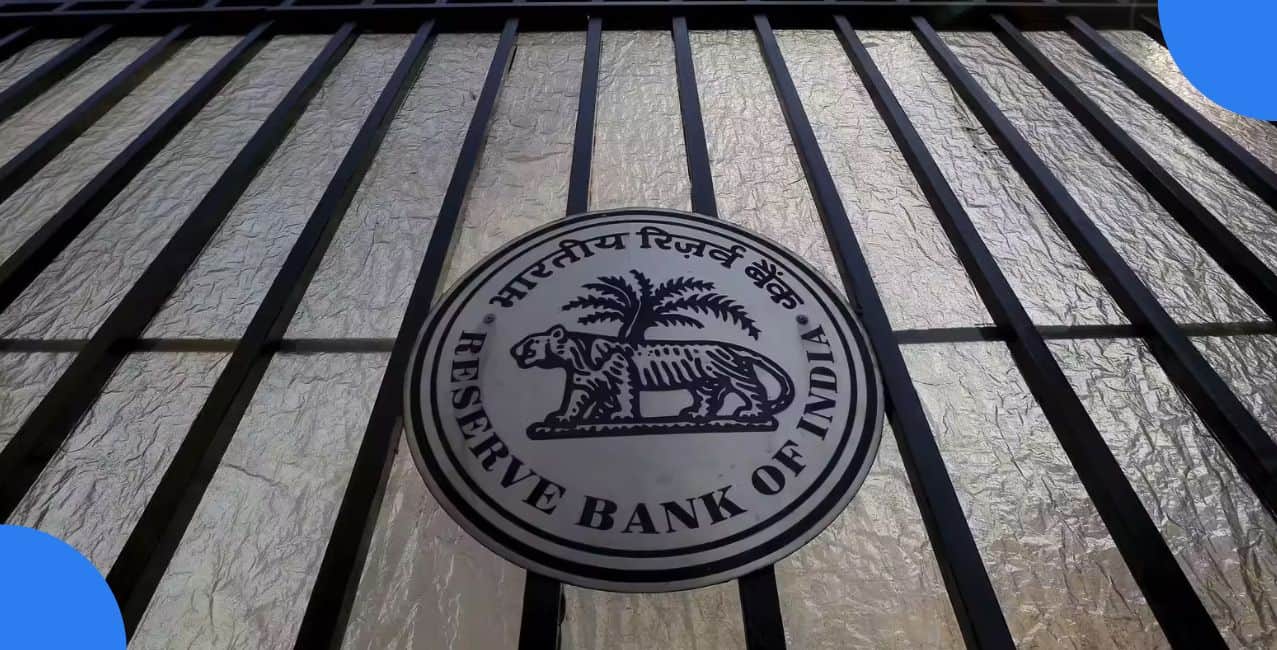
India’s currency markets are currently walking a tightrope. Just weeks after the Reserve Bank of India (RBI) stepped in aggressively to stabilise the rupee, it has now partially rolled back some of those emergency measures.
But this isn’t happening in isolation. At the same time, rising geopolitical tensions between the U.S. and Iran are keeping global investors nervous. The result? A confusing mix of signals where domestic policy easing and global risks are pulling the rupee in opposite directions.
Earlier this month, the RBI had imposed strict curbs on currency trading to stop speculative activity that pushed the rupee to record lows near 95 per dollar. These included banning offshore derivative trades and limiting arbitrage between onshore and offshore markets.
These measures worked. The rupee recovered nearly 2% and stabilised in the 92.5–93.5 range.
Now, the RBI has partially reversed those restrictions:
The idea is simple: move from crisis control to normal market functioning. But the rollback also means slightly higher volatility could return.
Markets are interpreting this move cautiously.
On one hand, easing restrictions improves liquidity and helps exporters and importers hedge currency risk more efficiently. On the other hand, it could:
That’s why the rupee is expected to remain largely range-bound in the near term, rather than moving sharply in either direction.
If RBI policy is one side of the story, geopolitics is the other.
The rupee recently fell to around 93.1 per dollar as investors turned cautious ahead of a possible escalation in U.S.-Iran tensions.
Why does this matter for India?
In fact, oil prices have already shown sharp swings amid the conflict, adding to currency volatility.
Right now, traders are dealing with two opposing forces:
This is why the rupee is expected to stay in a narrow band rather than show a clear trend.
The RBI’s partial rollback signals confidence that the worst of the currency volatility may be over. But global risks are far from settled.
For now, the rupee’s direction will depend less on domestic policy tweaks and more on what happens outside India, especially oil prices and geopolitical stability.
Related Financial News | |||
*T&C Apply









.png&w=3840&q=75)



