By continuing, you agree to LoansJagat's Credit Report Terms of Use, Terms and Conditions, Privacy Policy, and authorize contact via Call, SMS, Email, or WhatsApp
Disclaimer: The information published on LoansJagat is intended for general informational and educational purposes only and should not be considered financial, legal, or investment advice. Interest rates, loan terms, statistics, and other data may change over time and may vary by lender or source. Please verify the latest information and consult a qualified financial advisor or the respective Bank/NBFC before making any financial decisions.
Subscribe Now
About the author

LoansJagat Team
‘Simplify Finance for Everyone.’ This is the common goal of our team, as we try to explain any topic with relatable examples. From personal to business finance, managing EMIs to becoming debt-free, we do extensive research on each and every parameter, so you don’t have to. Scroll up and have a look at what 15+ years of experience in the BFSI sector looks like.
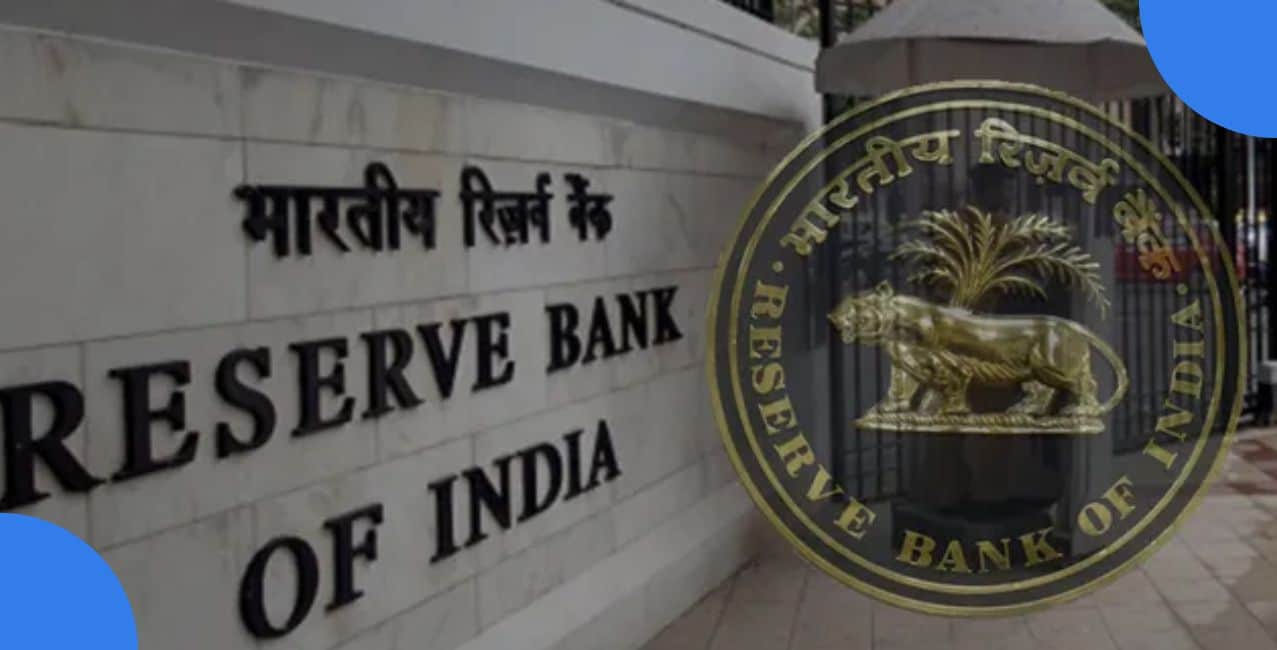
The Reserve Bank of India (RBI) recently rejected all bids in a Treasury Bill (T-bill) auction after investors demanded higher yields than the central bank was comfortable accepting. The move surprised markets because T-bills are usually considered the safest short-term borrowing instruments for the government.
The decision signals that the RBI is trying to prevent a rise in short-term interest rates while carefully managing liquidity conditions in the banking system. At the same time, another policy debate is unfolding — the gold loan industry is asking the RBI for a six-month extension to new collateral lending norms that could significantly change how gold loans operate in India.
Treasury Bills are short-term government securities with maturities of up to 364 days. Banks, mutual funds and institutional investors typically bid for them.
In the latest auction, investors demanded yields about 0.05–0.10 percentage points higher than previous auctions due to tighter liquidity conditions. Instead of accepting costlier borrowing, the RBI rejected all bids to avoid signalling higher market interest rates.
Market participants believe the move was also aimed at supporting liquidity ahead of the financial year-end, when tax outflows often tighten cash availability in the banking system.
Simply put, accepting higher yields would have pushed borrowing costs up across the economy — something the RBI wants to avoid while rate expectations remain uncertain.
In 2025, the RBI introduced a unified framework called “Lending Against Gold and Silver Collateral Directions” to standardise gold loans across banks and NBFCs.
The norms aim to improve transparency and reduce risky lending practices by introducing:
Under the framework, lenders can finance only a portion of the gold’s value:
The RBI introduced these rules after identifying supervisory issues such as incorrect gold valuation and loans exceeding permitted limits.
The new rules are scheduled to take effect from April 1, 2026, but the Association of Gold Loan Companies (AGLOC) has requested a six-month delay.
Industry players argue that immediate implementation could disrupt credit access because:
Gold loans often act as quick emergency credit for lower-income households, making sudden regulatory changes sensitive for financial inclusion.
The RBI’s rejection of higher-yield T-bill bids shows its intent to control borrowing costs and manage liquidity expectations. Meanwhile, stricter collateral lending norms aim to make gold-backed lending safer and more transparent.
However, the gold loan industry believes a phased rollout is necessary to avoid a credit squeeze. The coming months will reveal whether the RBI prioritises faster regulatory tightening or smoother transition for one of India’s most widely used forms of secured borrowing.
Related Financial News | |||
Related News
Simplify All Your Loans Into One Affordable EMI

Customers Served

Debt Consolidated

1200+ Reviews

Locations in India
Club all Loans & Credit Card Bills into Single EMI

Quick Apply Loan
*T&C Apply

Consolidate your debts into one easy EMI.

Takes less than 2 minutes. No paperwork.

10 Lakhs+
Trusted Customers

2000 Cr+
Loans Disbursed

4.7/5
Google Reviews

50+
Banks & NBFCs Offers
Other services mentioned in this article










.png&w=3840&q=75)

