By continuing, you agree to LoansJagat's Credit Report Terms of Use, Terms and Conditions, Privacy Policy, and authorize contact via Call, SMS, Email, or WhatsApp
Disclaimer: The information published on LoansJagat is intended for general informational and educational purposes only and should not be considered financial, legal, or investment advice. Interest rates, loan terms, statistics, and other data may change over time and may vary by lender or source. Please verify the latest information and consult a qualified financial advisor or the respective Bank/NBFC before making any financial decisions.
Subscribe Now
About the author

LoansJagat Team
‘Simplify Finance for Everyone.’ This is the common goal of our team, as we try to explain any topic with relatable examples. From personal to business finance, managing EMIs to becoming debt-free, we do extensive research on each and every parameter, so you don’t have to. Scroll up and have a look at what 15+ years of experience in the BFSI sector looks like.
Related Blog Post
Simplify All Your Loans Into One Affordable EMI

Customers Served

Debt Consolidated

1200+ Reviews

Locations in India
Club all Loans & Credit Card Bills into Single EMI

Quick Apply Loan
Consolidate your debts into one easy EMI.

Takes less than 2 minutes. No paperwork.

10 Lakhs+
Trusted Customers

2000 Cr+
Loans Disbursed

4.7/5
Google Reviews

50+
Banks & NBFCs Offers
Other services mentioned in this article
Key Takeaways
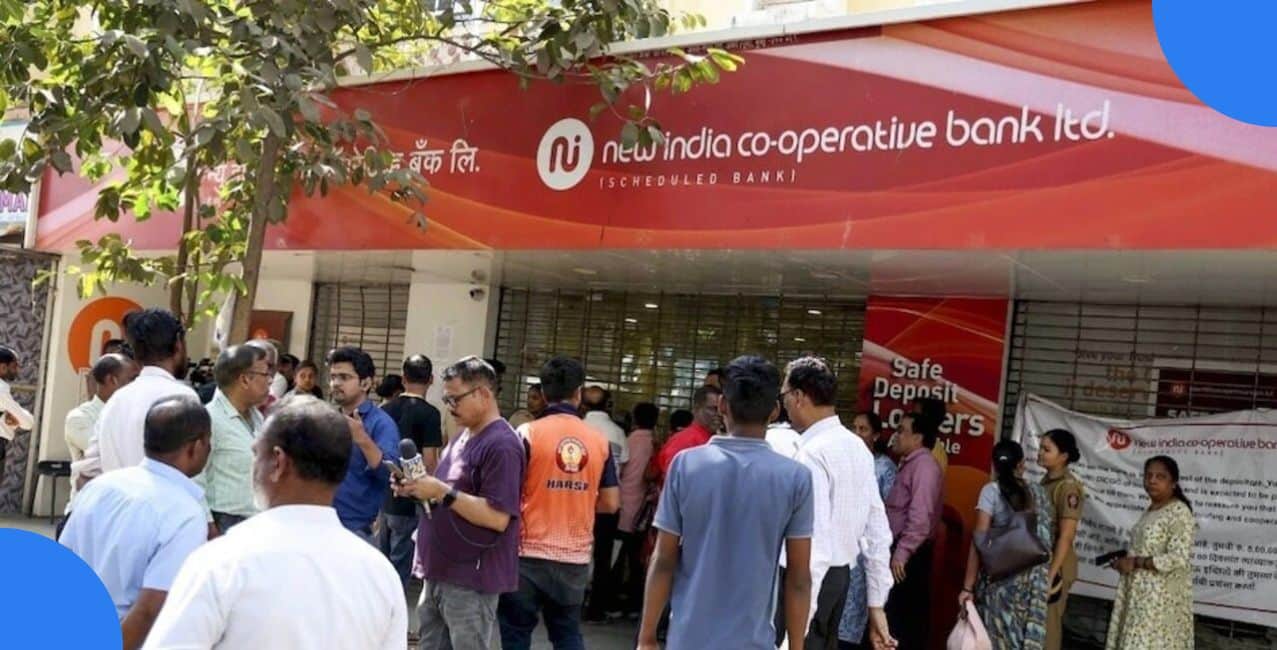
In a move that underlines persistent stress in India’s cooperative banking sector, the Reserve Bank of India has extended restrictions on Pusad Urban Cooperative Bank for another three months.
The curbs, originally set to expire in early May 2026, will now continue until August 7, 2026, subject to review.
This is not a routine extension. It signals that the regulator is still not satisfied with the bank’s financial health or governance standards.
The bank will continue operating, but under tight supervision and severe operational limits.
The RBI’s directive continues to impose strict limits on how the bank can function. These restrictions are designed to protect depositors and prevent further financial deterioration.
These curbs effectively freeze the bank’s ability to grow or even operate normally.
For customers, this translates into limited access to their own money, which is often the most immediate concern.
The story behind the restrictions goes beyond routine financial weakness.
The RBI first imposed these curbs in November 2025 after identifying a deteriorating liquidity position and serious governance lapses.
More alarmingly, the bank’s former managing director was charged in connection with the suicide of a government contractor, adding a layer of reputational and legal risk.
This combination of:
forced the RBI to act decisively under the Banking Regulation Act, 1949.
The extension now suggests that corrective measures have either been slow or insufficient.
Imagine a small trader in Yavatmal who has ₹1.5 lakh saved in the bank for business needs.
Under current restrictions:
This creates a real-world cash flow crisis, especially for individuals and small businesses dependent on cooperative banks.
Such situations explain why RBI interventions, while protective in intent, often cause short-term distress for depositors.
Here’s the nuance many miss:
The RBI has not cancelled the bank’s licence.
This means:
However, the extension also clearly states that:
The move should not be seen as satisfaction with the bank’s condition.
In regulatory language, that’s a red flag.
It indicates:
This is not an isolated case.
Urban cooperative banks (UCBs) have long struggled with:
*T&C Apply
India still has over 1,400 urban cooperative banks, many serving semi-urban and rural populations.
Recognising these vulnerabilities, the RBI has recently launched initiatives like “Saksham”, aimed at strengthening governance and resilience in the sector.
Yet, cases like Pusad highlight that systemic risks remain very real.
The next three months will be critical.
Possible outcomes include:
For depositors, the safest approach is:
The RBI’s decision to extend curbs on Pusad Urban Cooperative Bank is not just about one bank, it’s a reminder of the fragile underbelly of India’s cooperative banking system.
For now, the message is clear:
The bank survives, but under watch. And the crisis is far from over.
Related Finance News | |||









.png&w=3840&q=75)



