By continuing, you agree to LoansJagat's Credit Report Terms of Use, Terms and Conditions, Privacy Policy, and authorize contact via Call, SMS, Email, or WhatsApp
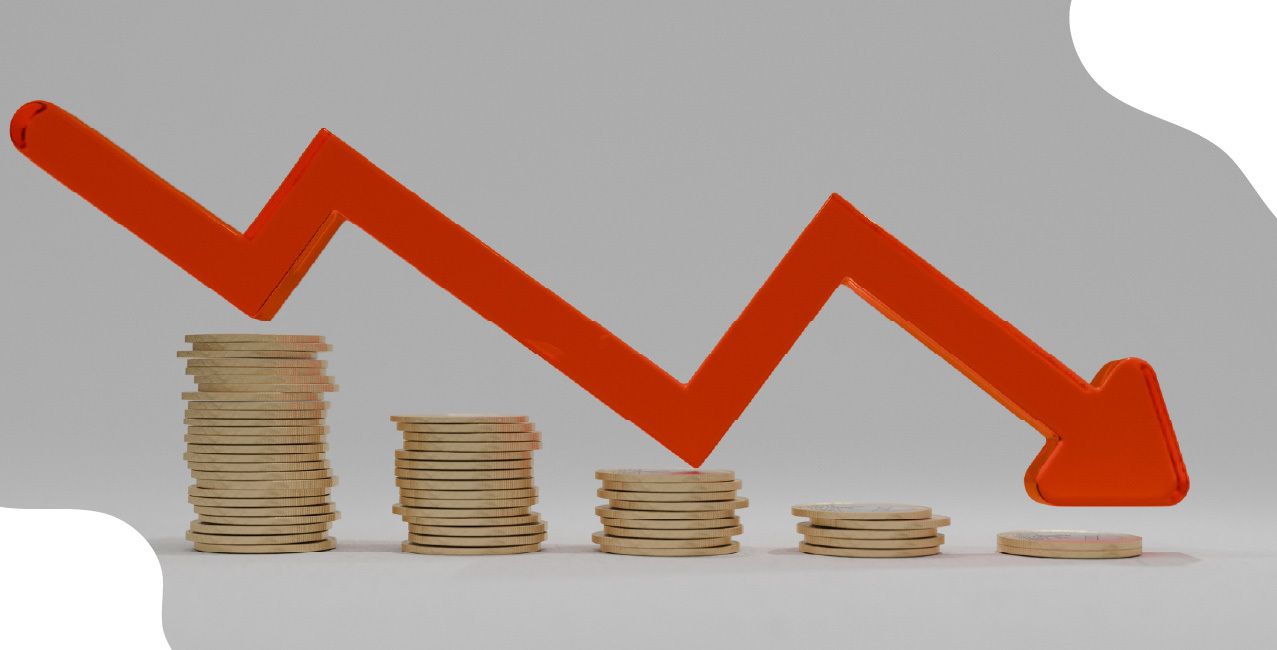
A credit limit cut can be unsettling. You check your account one day and discover your maximum available credit has shrunk, even though you’ve stayed current on payments and managed balances responsibly. This experience is more common than many realise: lenders routinely reassess credit lines based on internal risk models, broader economic conditions, and changes in individual behaviour. Sometimes the reduction has little to do with your actual financial health and more to do with a bank’s risk management strategy.
Credit issuers monitor multiple factors before adjusting limits. They may trim available credit if they detect higher risk, such as higher balances relative to income, reduced card activity, or broader economic uncertainty where lenders tighten credit across portfolios. Even strong pay-on-time history doesn’t guarantee immunity — a 2022 study by the Consumer Financial Protection Bureau found that about two-thirds of line reductions occurred among cardholders with no recent delinquencies.
Read More - Credit Card Interest Up to 3.75% Monthly: Smart, Legal Ways Indian Cardholders Can Cut Rates and Pay Less Interest
Less obvious triggers include inactivity on a card — issuers may see unused lines as unnecessary exposure — and minor dips in credit scores, perhaps from unrelated factors like new inquiries or a slight rise in overall debt. At a macro level, when banks foresee economic slowdowns, they may proactively reduce credit availability to limit potential losses.
The most tangible impact of a lowered limit often appears in your credit utilisation ratio — the share of available credit you are using. If your balance remains constant while your limit falls, utilisation rises automatically, which can exert downward pressure on your credit score.
Higher utilisation signals greater risk to future lenders, potentially leading to less favourable loan terms, higher interest rates, or further credit tightening. Lower limits can also restrict your financial flexibility in emergencies, making it harder to spread purchases or manage cash flow when needed.
Reacting impulsively — such as closing the affected account or opening several new cards — often makes matters worse. Closing the card removes all of that credit permanently, reducing overall available credit and potentially shortening your credit history, both of which can harm your score.
Also Read - Credit Card Bill Payments via Third-Party Apps: What Works Now in India
Instead, start with these steps:
While a lower credit limit can sting, it doesn’t have to derail your financial progress. Treat it as an impetus to tighten budgeting habits, reduce debt, and maintain disciplined credit behaviour. With steady on-time payments and mindful utilisation, your overall credit health can continue improving — even after a short-term setback.
About the author

LoansJagat Team
Contributor‘Simplify Finance for Everyone.’ This is the common goal of our team, as we try to explain any topic with relatable examples. From personal to business finance, managing EMIs to becoming debt-free, we do extensive research on each and every parameter, so you don’t have to. Scroll up and have a look at what 15+ years of experience in the BFSI sector looks like.
Subscribe Now
Related Blog Post
Recent Blogs
Simplify All Your Loans Into One Affordable EMI
Customers Served
Debt Consolidated
1200+ Reviews
Locations in India
Club all Loans & Credit Card Bills into Single EMI
Quick Apply Loan
Consolidate your debts into one easy EMI.
Takes less than 2 minutes. No paperwork.
10 Lakhs+
Trusted Customers
2000 Cr+
Loans Disbursed
4.7/5
Google Reviews
20+
Banks & NBFCs Offers
Other services mentioned in this article