By continuing, you agree to LoansJagat's Credit Report Terms of Use, Terms and Conditions, Privacy Policy, and authorize contact via Call, SMS, Email, or WhatsApp
Disclaimer: The information published on LoansJagat is intended for general informational and educational purposes only and should not be considered financial, legal, or investment advice. Interest rates, loan terms, statistics, and other data may change over time and may vary by lender or source. Please verify the latest information and consult a qualified financial advisor or the respective Bank/NBFC before making any financial decisions.
Subscribe Now
About the author

LoansJagat Team
‘Simplify Finance for Everyone.’ This is the common goal of our team, as we try to explain any topic with relatable examples. From personal to business finance, managing EMIs to becoming debt-free, we do extensive research on each and every parameter, so you don’t have to. Scroll up and have a look at what 15+ years of experience in the BFSI sector looks like.
Related Blog Post
Simplify All Your Loans Into One Affordable EMI

Customers Served

Debt Consolidated

1200+ Reviews

Locations in India
Club all Loans & Credit Card Bills into Single EMI

Quick Apply Loan
Consolidate your debts into one easy EMI.

Takes less than 2 minutes. No paperwork.

10 Lakhs+
Trusted Customers

2000 Cr+
Loans Disbursed

4.7/5
Google Reviews

50+
Banks & NBFCs Offers
Other services mentioned in this article
Key Takeaways
Your automatic payments will now continue without interruption if your debit or credit card expires or gets replaced. Your SIPs or insurance payments will not stop just because your card has changed. The new rules also bring all recurring payments under one system, covering cards, UPI, and prepaid wallets.
However, the system is not completely smooth. Payment companies now have more rules to follow, and users may have slightly less control in some cases. Bigger companies may benefit more, while smaller fintech firms and banks could take time to fully adjust, which may cause temporary delays.
Read More - Existing EMIs Can Reduce Personal Loan Eligibility
How This Directly Helps Crores of Indians?
A monthly ₹12,000 SIP, a ₹9,000 insurance instalment, or a ₹6,000 utility bill can all be processed without additional authentication each time. For larger payments, insurance premiums, mutual fund subscriptions, and credit card bill payments may be made without AFA. The limit for this is up to ₹1,00,000 per transaction.
Here are the transaction limits under the new framework:
Banks must now send pre-debit alerts at least 24 hours before the transaction, along with post-debit notifications. The RBI has also clarified that no charges shall be levied for availing the e-mandate facility.
Experts say the Reserve Bank of India (RBI) has made the system clearer, safer, and more transparent. However, it is still not fully flexible for users. It improves safety but does not give complete control.
The RBI has also said that users can change or cancel their e-mandates anytime. You can stop a specific payment or cancel the entire mandate if needed.
Also Read - How To Manage EMIs, SIPs And Household Budgets
The best step is to check with your bank if your existing mandates are linked to your new card. If not, register them again once, and after that, payments should continue smoothly.
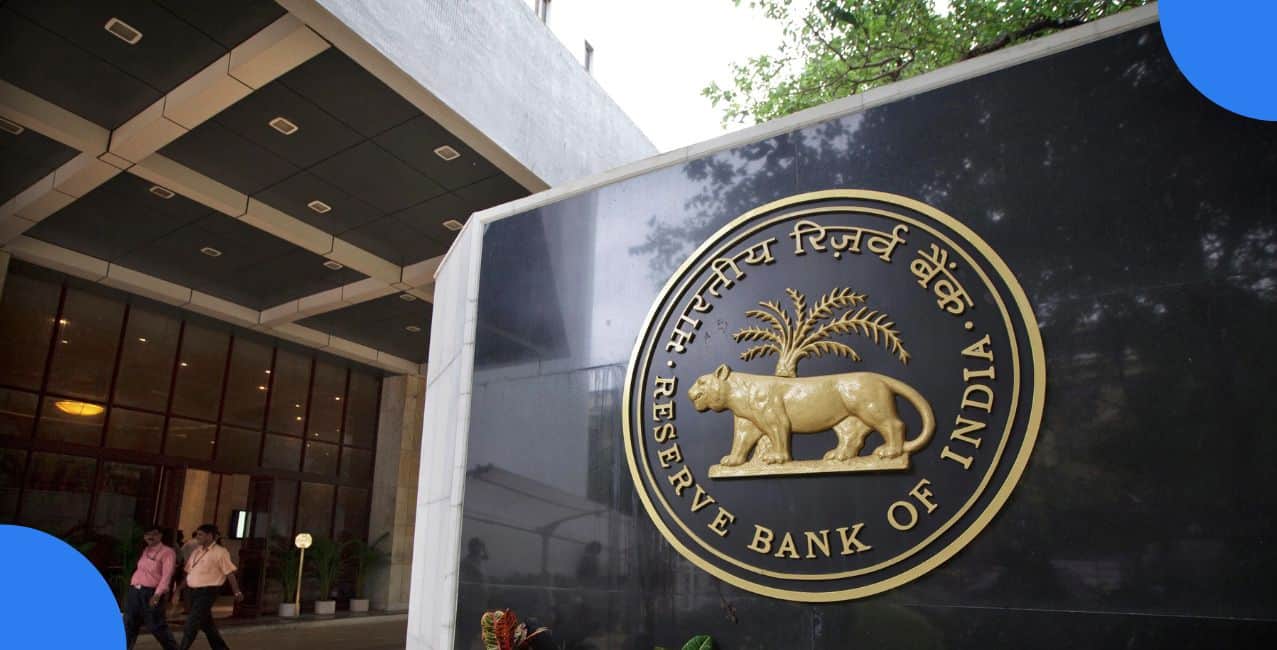
The Reserve Bank of India (RBI) E-Mandate Framework, 2026, solves a common problem for many people. Now, when your card changes, your automatic payments will not stop without notice.
The rules are already active, and these safety features are free. Your payments should continue smoothly without any breaks. Check once with your bank to make sure your mandates are correctly linked.
1. How are RBI e-mandate rules changing digital payments in India?
The Reserve Bank of India has made recurring payments more reliable and secure. Your auto-payments, like SIPs and bills, will continue even if your card changes. It also gives better tracking, alerts, and control over your payments.
2. Is it safe to set a ₹1,00,000 e-mandate for SIPs on apps like Groww or Kuvera?
Yes, it is generally safe. The ₹1,00,000 limit is just the maximum allowed, not the amount that will be deducted. Only your SIP amount is charged. You can cancel or change the mandate anytime through your bank or app.
Related Financial News | |||
*T&C Apply









.png&w=3840&q=75)



