By continuing, you agree to LoansJagat's Credit Report Terms of Use, Terms and Conditions, Privacy Policy, and authorize contact via Call, SMS, Email, or WhatsApp
Disclaimer: The information published on LoansJagat is intended for general informational and educational purposes only and should not be considered financial, legal, or investment advice. Interest rates, loan terms, statistics, and other data may change over time and may vary by lender or source. Please verify the latest information and consult a qualified financial advisor or the respective Bank/NBFC before making any financial decisions.
Subscribe Now
About the author

LoansJagat Team
‘Simplify Finance for Everyone.’ This is the common goal of our team, as we try to explain any topic with relatable examples. From personal to business finance, managing EMIs to becoming debt-free, we do extensive research on each and every parameter, so you don’t have to. Scroll up and have a look at what 15+ years of experience in the BFSI sector looks like.
Related Blog Post
Simplify All Your Loans Into One Affordable EMI

Customers Served

Debt Consolidated

1200+ Reviews

Locations in India
Club all Loans & Credit Card Bills into Single EMI

Quick Apply Loan
Consolidate your debts into one easy EMI.

Takes less than 2 minutes. No paperwork.

10 Lakhs+
Trusted Customers

2000 Cr+
Loans Disbursed

4.7/5
Google Reviews

50+
Banks & NBFCs Offers
Other services mentioned in this article
Key Takeaways
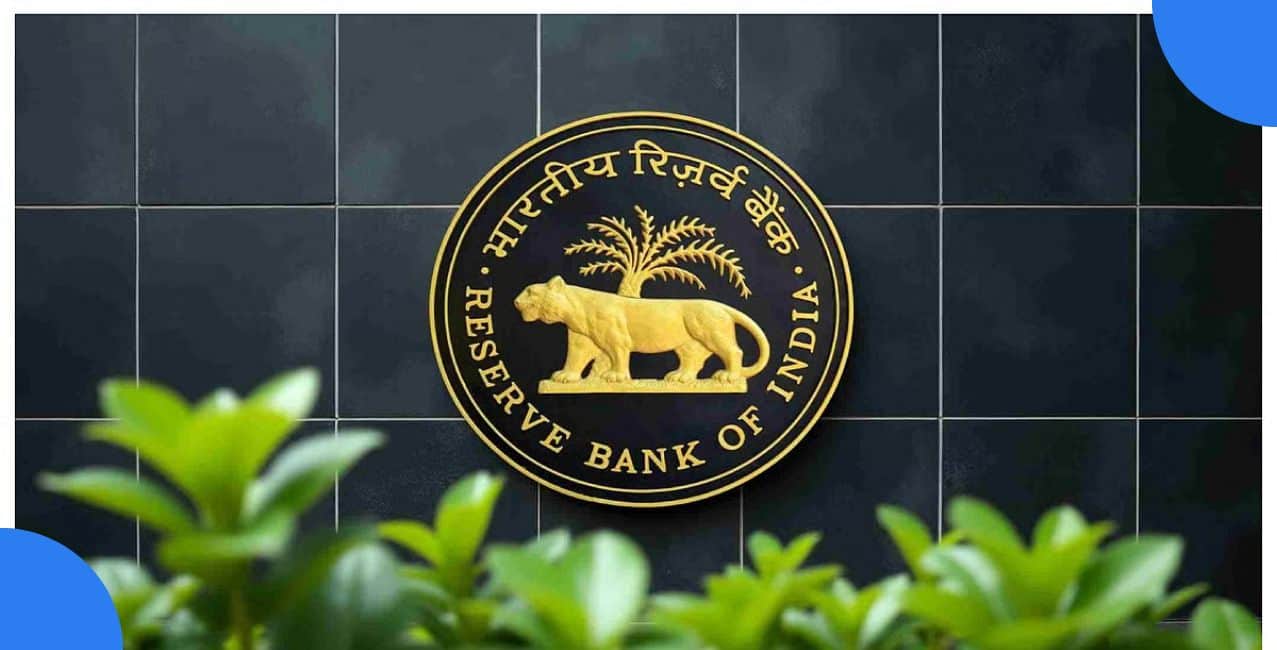
The Reserve Bank of India (RBI) has introduced a new reporting rule for banks. Authorised Dealer Category-I (AD Cat-I) banks must report over-the-counter (OTC) foreign exchange derivative contracts involving the ₹ from July 1, 2027. This also includes contracts done globally by their offshore related parties. These details must be reported to the trade repository of the Clearing Corporation of India Ltd (CCIL).
This step fixes a long-standing gap where offshore rupee derivative trades were not reported. The banks may face higher compliance costs in the short term. It can help the RBI get a clearer view of ₹ exposure worldwide in the long term. This can also help manage currency volatility better.
This rule brings both benefits and challenges for Indian businesses that deal in foreign currency. The increased reporting is expected to improve market depth and give clearer price signals. This can help in better global valuation of the ₹. A more transparent forex market means businesses may get fairer exchange rates when converting currencies.
The phased rollout gives banks time to adjust. Here is how the reporting targets are structured:
Existing positions within the $100 million net open limit can continue until they mature. So, there is no sudden impact on ongoing deals. Small deals up to $1 million are also exempt, which protects smaller players.
Financial analysts mostly see this as a positive but complex step. Major financial centres like the United States and the European Union already follow broad derivative reporting rules under the Dodd-Frank Act and EMIR. India’s focus is mainly on offshore rupee derivatives. This brings India’s regulatory system closer to global standards.
However, some concerns still remain. The expanded reporting rule creates compliance challenges and may increase costs for banks, especially foreign banks. Reporting offshore deals means banks need to invest in systems to collect data from different entities and countries.
Experts suggest banks should start building their reporting systems now, instead of waiting for the 2027 deadline. The final impact will depend on how well these systems are developed and used in risk management.
The Reserve Bank of India's new offshore derivatives reporting rule is a strong step towards a more transparent forex market in India. The long-term benefits for ₹ stability and fair pricing are important, while it adds extra compliance work for banks in the short term. Banks should act early, invest in systems, and get ready for the phased rollout before the July 2027 deadline.
1. Does RBI’s offshore derivatives rule help control pressure on the ₹?
The rule can help in the short term. The Reserve Bank of India gets better data on global ₹ positions and can manage volatility more effectively. However, it does not solve deeper issues like high oil imports or trade deficit. So, pressure on the ₹ may continue due to these structural factors.
2. Is the RBI trying to ban rupee NDF trading with this move?
No, the RBI is not banning offshore NDF trading. It is only improving the reporting and visibility of such trades. Offshore markets will still exist and continue trading globally. This step helps the RBI track activity better, but it cannot fully control where price discovery happens.
*T&C Apply
RBI Expands Agri Startup Financing Through Cooperative Banks |









.png&w=3840&q=75)



