By continuing, you agree to LoansJagat's Credit Report Terms of Use, Terms and Conditions, Privacy Policy, and authorize contact via Call, SMS, Email, or WhatsApp
Disclaimer: The information published on LoansJagat is intended for general informational and educational purposes only and should not be considered financial, legal, or investment advice. Interest rates, loan terms, statistics, and other data may change over time and may vary by lender or source. Please verify the latest information and consult a qualified financial advisor or the respective Bank/NBFC before making any financial decisions.
Subscribe Now
About the author

‘Simplify Finance for Everyone.’ This is the common goal of our team, as we try to explain any topic with relatable examples. From personal to business finance, managing EMIs to becoming debt-free, we do extensive research on each and every parameter, so you don’t have to. Scroll up and have a look at what 15+ years of experience in the BFSI sector looks like.
Related News
Simplify All Your Loans Into One Affordable EMI

Customers Served

Debt Consolidated

1200+ Reviews

Locations in India
Club all Loans & Credit Card Bills into Single EMI

Quick Apply Loan
Consolidate your debts into one easy EMI.

Takes less than 2 minutes. No paperwork.

10 Lakhs+
Trusted Customers

2000 Cr+
Loans Disbursed

4.7/5
Google Reviews

50+
Banks & NBFCs Offers
Other services mentioned in this article
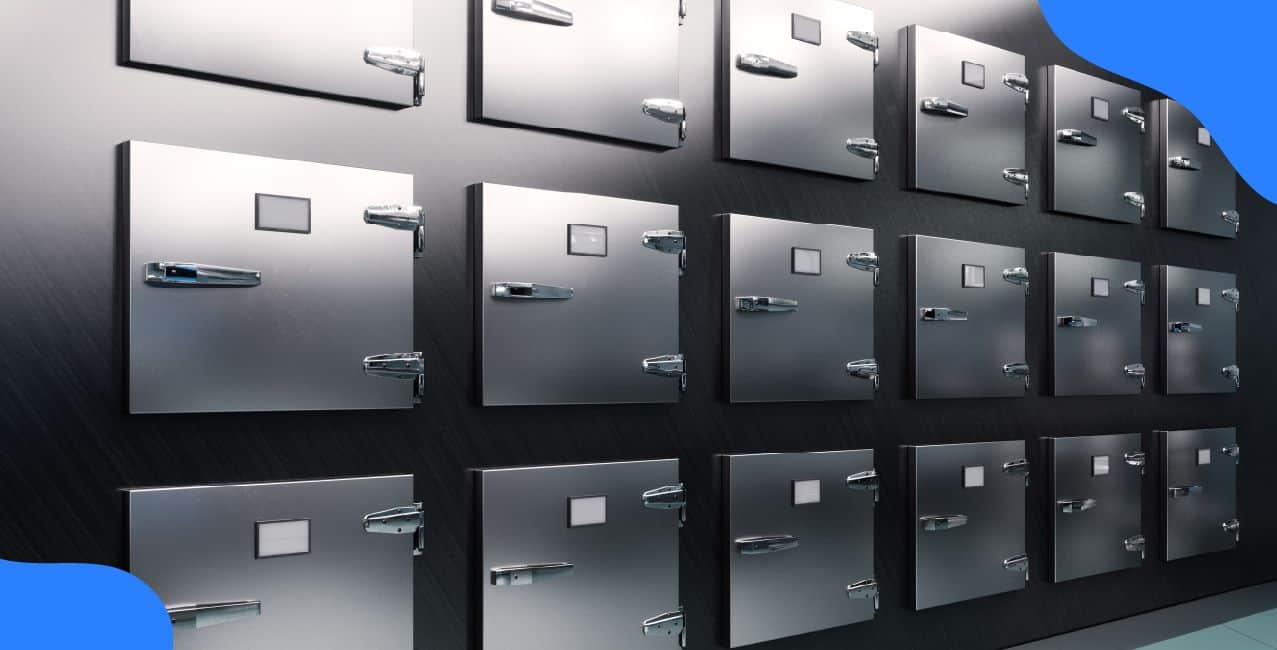
For decades, Indians have trusted bank lockers as the safest place to store jewellery, property papers, and family valuables. Many customers assume that items kept inside a locker are automatically insured by the bank. However, Reserve Bank of India (RBI) rules tell a very different story.
Under current regulations, banks provide secure storage, not insurance coverage. This means if valuables are lost or damaged, compensation may be far lower than what customers expect.
The recent discussion around locker safety highlights why understanding RBI guidelines has become essential for locker holders.
RBI rules clearly state that banks are not insurers of locker contents. Banks are responsible for maintaining security systems such as surveillance, access control, and safe vault operations, but they do not guarantee the value of items stored inside.
In fact, banks are not even allowed to sell insurance policies linked directly to locker contents. The logic is simple: banks do not know what customers keep inside lockers, nor are they permitted to maintain an inventory of those items.
As a result, valuables like gold jewellery or documents remain largely uninsured unless customers purchase separate private insurance.
One of the most important RBI guidelines relates to compensation in case of loss.
If valuables are damaged or stolen due to bank negligence, such as theft, fire, burglary, or staff fraud, the bank’s liability is capped at 100 times the annual locker rent.
Read More - RBI Drafts New Relief Norms
For example:
Even if jewellery worth ₹50 lakh or more was stored inside, compensation cannot exceed this limit.
This rule applies only when the bank is proven at fault. If losses occur due to natural disasters like floods or earthquakes, banks may have no liability at all, unless negligence is established.
While banks do not insure valuables, RBI mandates strict operational responsibilities, including:
Failure to maintain these safeguards can make banks liable within the compensation cap.
Also Read - RBI Climate Risk Disclosure
Given these rules, customers should take extra precautions:
Bank lockers remain a secure storage option, but they are not a financial safety net. RBI guidelines clarify that protection is limited and conditional. The locker ensures physical security, while financial protection largely remains the customer’s responsibility, a distinction many users realise only after a loss occurs.
Related Financial News | |||
*T&C Apply









.png&w=3840&q=75)



