By continuing, you agree to LoansJagat's Credit Report Terms of Use, Terms and Conditions, Privacy Policy, and authorize contact via Call, SMS, Email, or WhatsApp
Disclaimer: The information published on LoansJagat is intended for general informational and educational purposes only and should not be considered financial, legal, or investment advice. Interest rates, loan terms, statistics, and other data may change over time and may vary by lender or source. Please verify the latest information and consult a qualified financial advisor or the respective Bank/NBFC before making any financial decisions.
Subscribe Now
About the author

LoansJagat Team
‘Simplify Finance for Everyone.’ This is the common goal of our team, as we try to explain any topic with relatable examples. From personal to business finance, managing EMIs to becoming debt-free, we do extensive research on each and every parameter, so you don’t have to. Scroll up and have a look at what 15+ years of experience in the BFSI sector looks like.
Related Blog Post
Simplify All Your Loans Into One Affordable EMI

Customers Served

Debt Consolidated

1200+ Reviews

Locations in India
Club all Loans & Credit Card Bills into Single EMI

Quick Apply Loan
Consolidate your debts into one easy EMI.

Takes less than 2 minutes. No paperwork.

10 Lakhs+
Trusted Customers

2000 Cr+
Loans Disbursed

4.7/5
Google Reviews

50+
Banks & NBFCs Offers
Other services mentioned in this article
The Finance Ministry’s May 2026 review warns that any longer Hormuz disruption can hit India’s oil bill, rupee, inflation, and family budgets.
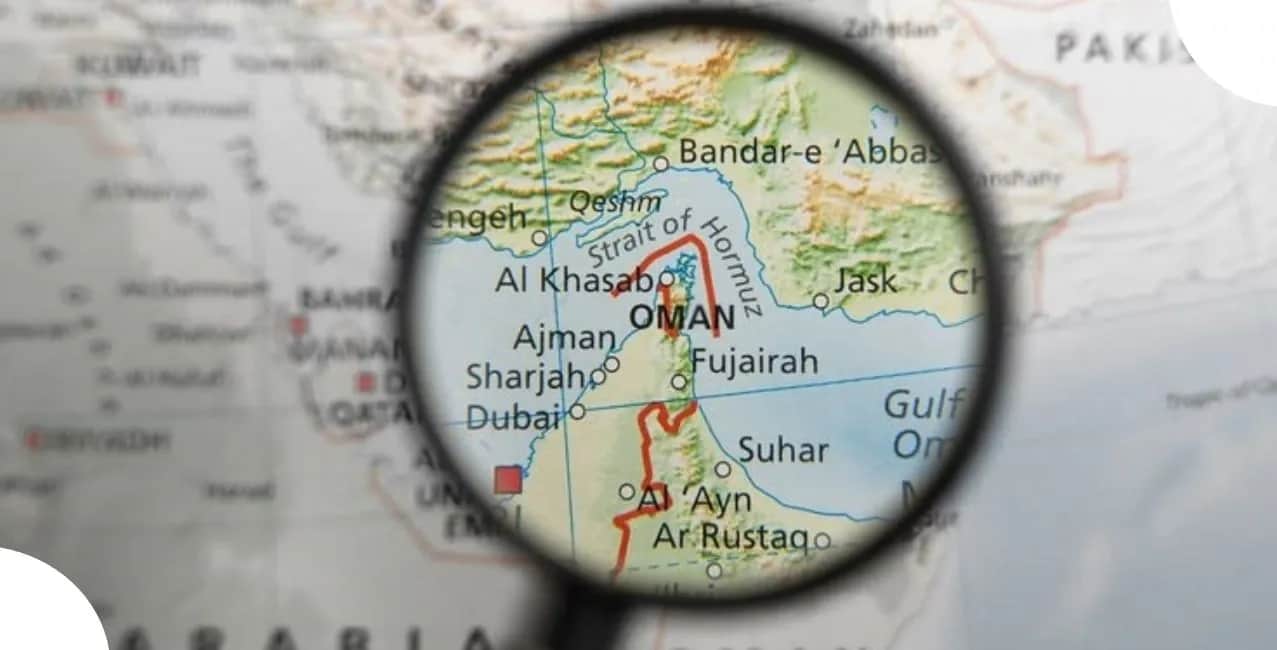
India’s external sector has entered a sharper watch phase after the Department of Economic Affairs Monthly Economic Review, May 2026, said the duration of the Strait of Hormuz disruption remains the “single most consequential variable” for India’s external and price outlook. The report is available on the DEA website under Monthly Economic Review 2026.
The short-term pain can come through crude oil, diesel, LPG, fertiliser, transport, and food prices. In the long term, a longer supply shock can widen the import bill, weaken the rupee, raise logistics costs, and reduce spending power for households.
Key Takeaways
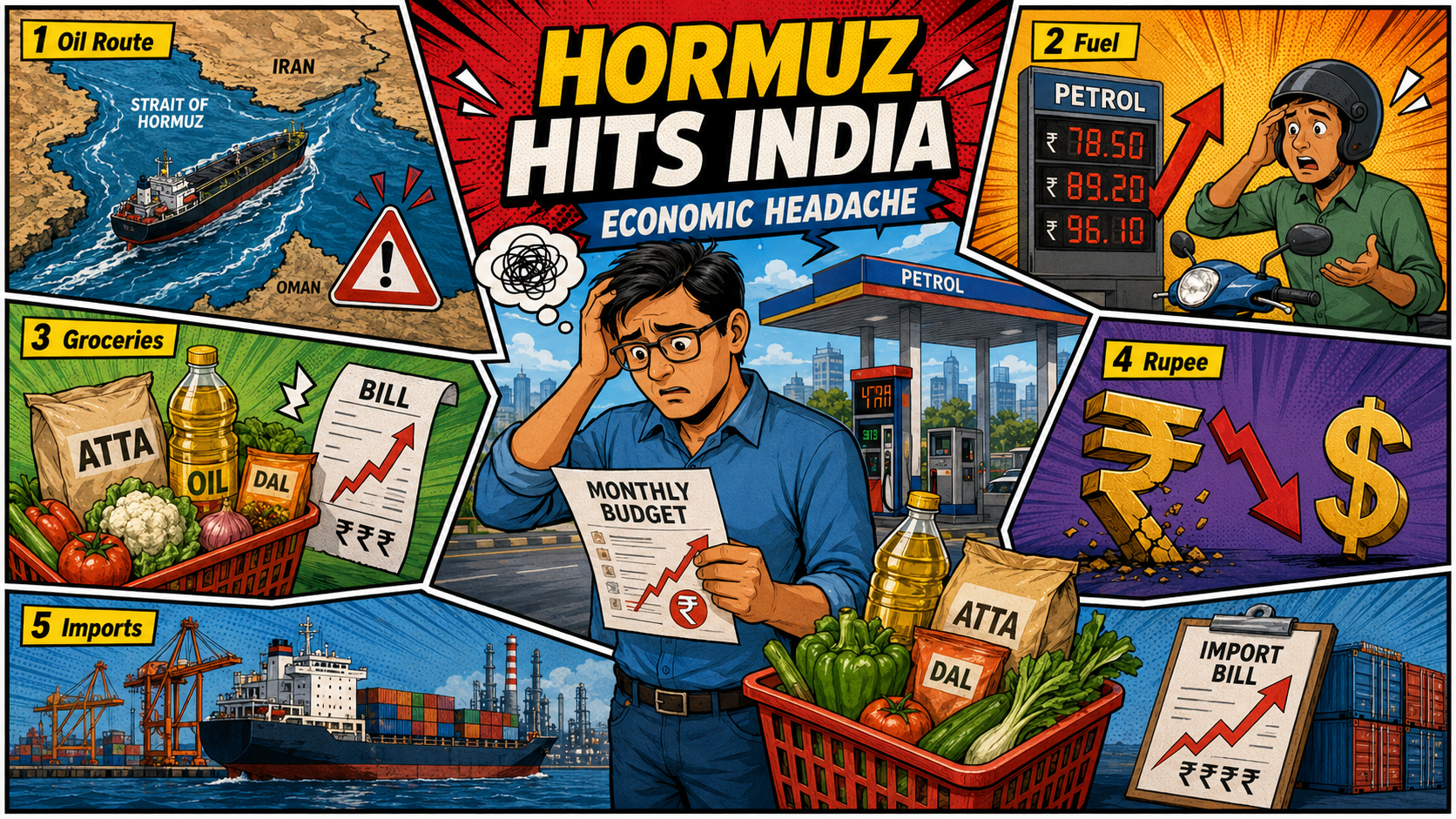
India has been meeting crude needs through diversified sources, but the Finance Ministry said risks remain if disruption continues. Brent crude averaged US$120.4/barrel in April 2026 and eased to US$108.3/barrel in May 2026, still high enough to pressure imports.
The official numbers show why policymakers are worried.
This gives India some cushion. Strong services exports and investment commitments can support recovery if the route normalises soon. But imported inflation can still move faster than wage growth for many families.
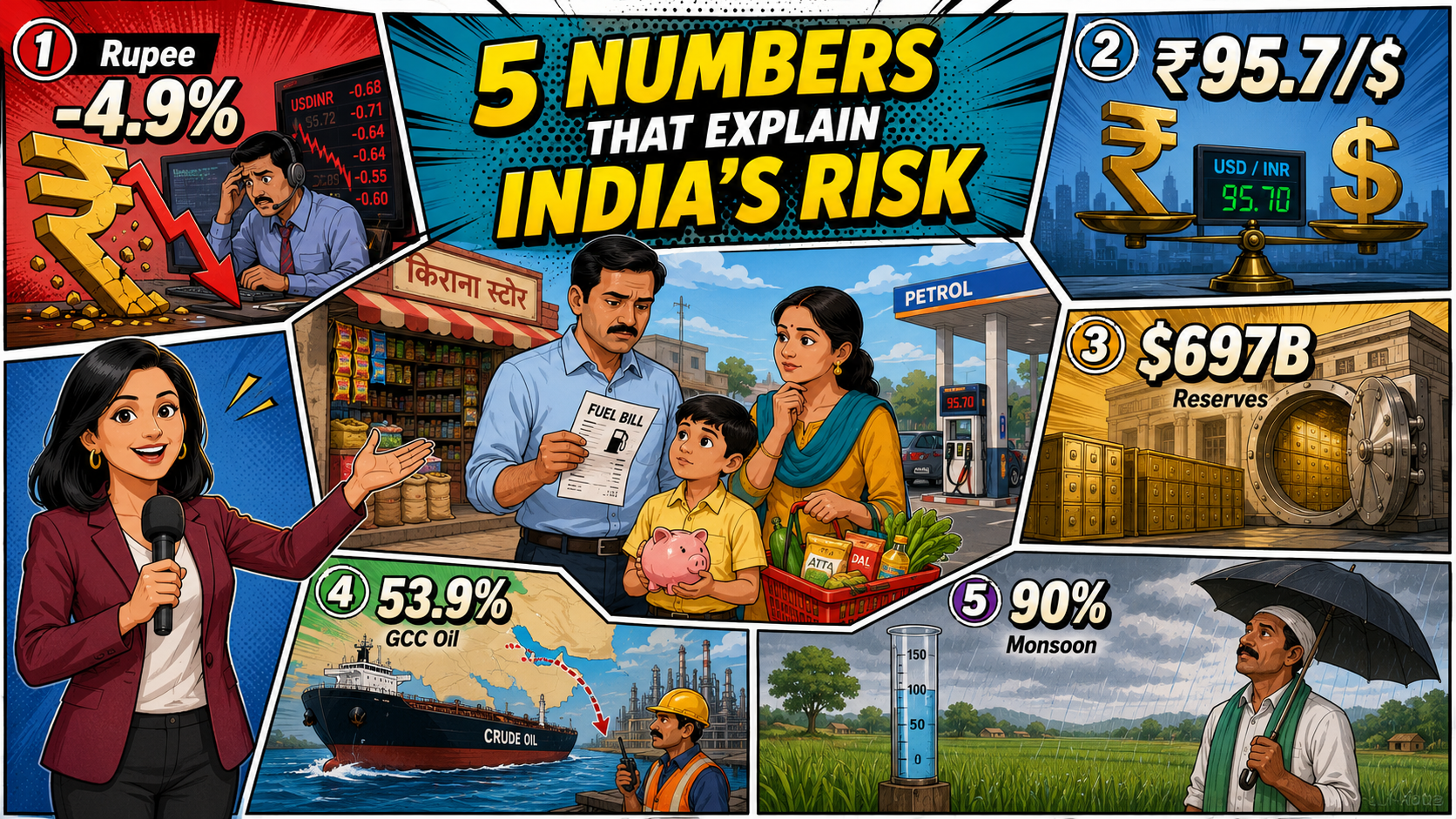
For common people, the risk starts at petrol pumps and then moves into daily goods. Higher diesel costs can raise vegetable transport, bus fares, school van charges, delivery fees, and small business expenses. LoansJagat also reported on May 14, 2026, that fuel bills may rise if the West Asia crisis keeps crude prices high.
There is one positive side. India’s reserves remain strong. The review said forex reserves stood around US$697 billion as of May 8, 2026, equal to nearly 10.7 months of import cover. That gives India room to absorb some external volatility.
Reuters reported on May 29, 2026, that India’s 2026 monsoon may be the weakest in 11 years at 90% of the long-period average. That adds food price risk at the same time as fuel pressure.
Finance Minister Nirmala Sitharaman asked India to focus on "3Fs," fuel, fertiliser, and forex, on May 25, 2026. Reuters reported that the government linked this push to global energy shocks and foreign exchange pressure.
Crisil also warned that input costs may stay high even if Hormuz reopens, as transport and raw material costs take time to cool. The solution may need fuel savings, a diversified oil supply, careful fiscal steps, and support for sectors hit by logistics costs.
India has strong buffers, but Hormuz is now the key external risk. If disruption drags on, fuel, food, rupee, and household budgets can face more strain.
*T&C Apply
Why is India looking at Latin American and African oil after the Hormuz disruption?
India is looking at Latin American and African oil to reduce dependence on Gulf shipments passing through the Strait of Hormuz. If that route faces disruption, crude supply can slow, and shipping costs can rise. Buying more oil from countries like Brazil, Guyana, Nigeria, or Angola gives India backup supply options and better bargaining power. It also helps refiners avoid sudden shortages may occur if tensions in West Asia worsen. The shift does not remove risk fully because longer routes can cost more, but it spreads India’s import basket. For an oil-importing country, diversification is now a safety strategy, not just a trade choice.
Will you curb fuel use, reduce overseas travel, or pause gold purchases in response to Narendra Modi's warning about the severe impact of the Iran war on the economy?
Yes, many Indians may do it partly, not fully. Modi’s warning links fuel use, foreign travel, and gold buying to saving foreign exchange during the Iran War shock. A practical response would be to reduce unnecessary car trips, use public transport, carpool, work from home when possible, and delay non-urgent foreign holidays. Gold purchases can also be paused if they are only for investment or luxury buying. These steps may look small, but they reduce oil demand and forex outflow. Reuters reported that the government has focused on fuel, fertiliser, and forex as key pressure points.
Related Financial News | |||









.png&w=3840&q=75)



